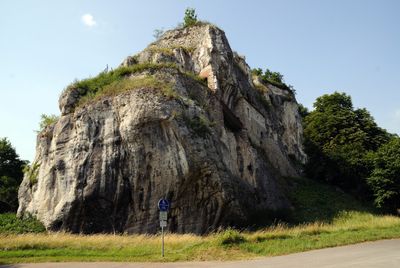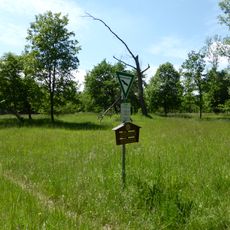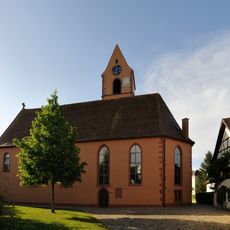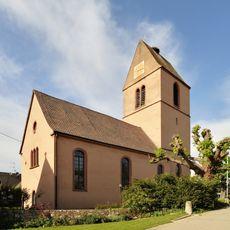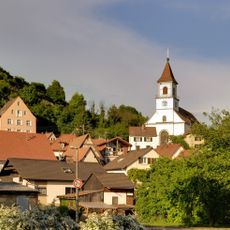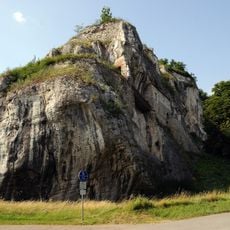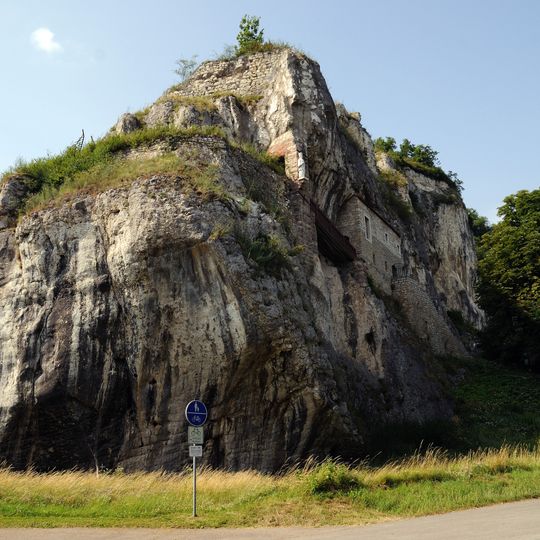
Isteiner Klotz, National Geotope in Lörrach, Germany.
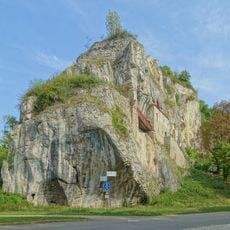
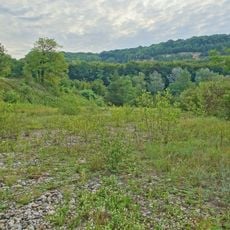
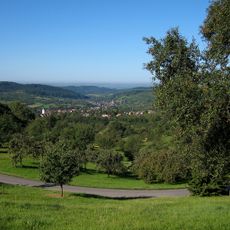
The Isteiner Klotz is a limestone ridge that rises about 150 meters above the Rhine floodplain, running between the villages of Istein and Kleinkems. A three-kilometer circular trail passes through the geological formation and provides access to different observation points and natural features.
The formation developed millions of years ago when sea levels changed and left limestone behind. In 2006 it gained National Geotope status, joining a list of 77 significant geological formations recognized in Germany.
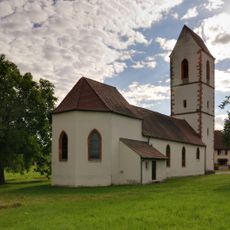
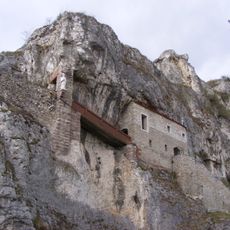
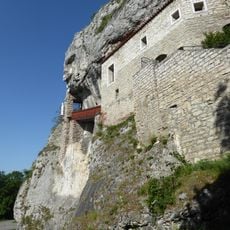
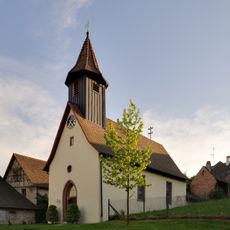
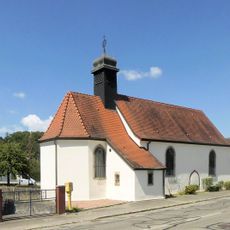
The Vitus Chapel from the 11th century sits in a rock niche at the western end, serving as a key landmark for visitors exploring the ridge. The chapel and nearby castle ruins show how people have used this landscape for centuries.
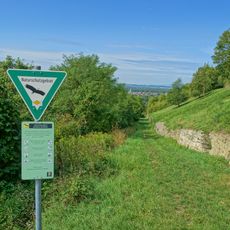
The circular trail is easily walkable and passes through different sections of the limestone formation with changing views. Sturdy footwear is recommended since parts of the path become steep and the ground can be uneven.
The rock formation has been important for botanists since the 19th century, who study specialized plant species thriving on the limestone. This botanical research has made the site a known reference point for studying limestone vegetation patterns.
The community of curious travelers
AroundUs brings together thousands of curated places, local tips, and hidden gems, enriched daily by 60,000 contributors worldwide.