Gesoriacum, Roman archaeological site in Boulogne-sur-Mer, France
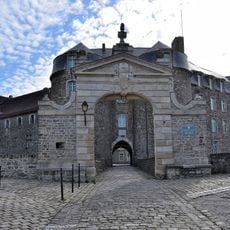
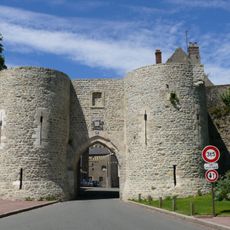
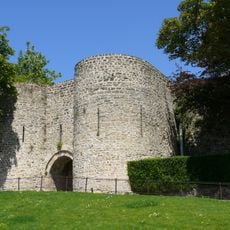
Gesoriacum was a Roman port complex in Boulogne-sur-Mer, featuring military structures, trading facilities, and defensive walls near the river mouth. The remains lie beneath the modern city and in museum collections, with some sections visible within the medieval city walls.
The site was established as a strategic naval base and gained importance when Emperor Claudius assembled his fleet here in 43 CE to launch the invasion of Britain. The port then played a central role in protecting Roman sea routes along the coast.
Archaeological discoveries show evidence of extensive trade connections, with goods arriving from distant regions across the Mediterranean and beyond. The site reflects a cosmopolitan hub where merchants and sailors from many places converged and exchanged their wares.
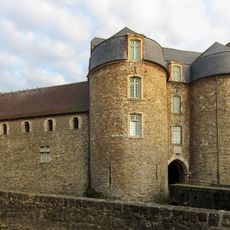
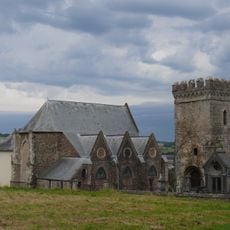
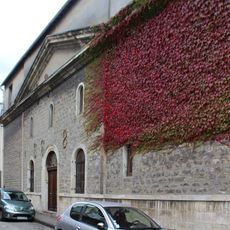
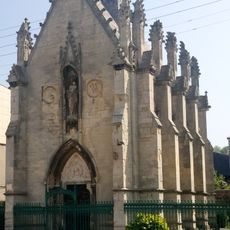
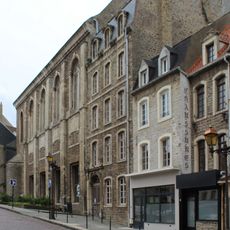
The remains are mostly hidden beneath the modern city, but sections are visible in museums and within the medieval walls. The best way to explore is to visit local museums and walk through the old town to spot the remains integrated into the cityscape.
A fascinating detail is the lighthouse built under Emperor Caligula around 39 CE to guide ships crossing the Channel. This early beacon demonstrates the sophistication of Roman navigation technology and maritime engineering.
The community of curious travelers
AroundUs brings together thousands of curated places, local tips, and hidden gems, enriched daily by 90,833 contributors worldwide.