Hospital and order of Aubrac, Medieval hospital complex in Saint-Chély-d'Aubrac, France
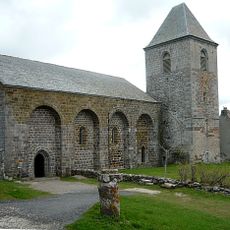
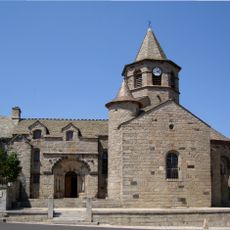
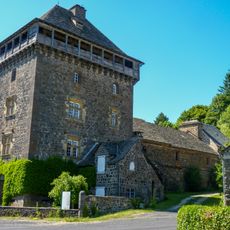
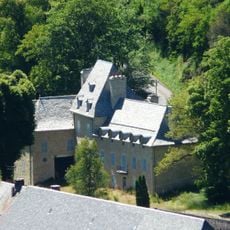
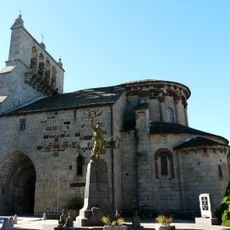
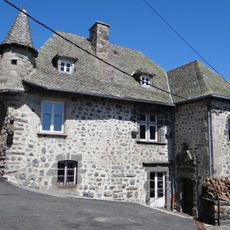
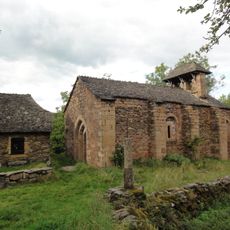
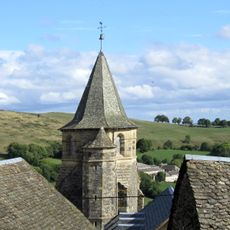
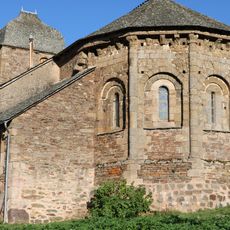
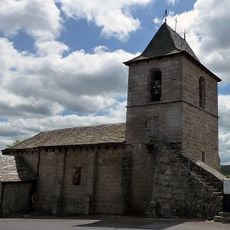
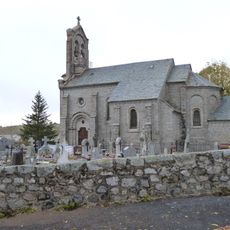
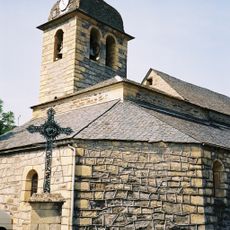
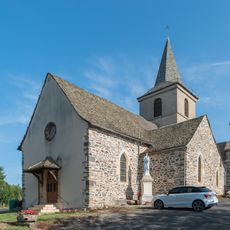
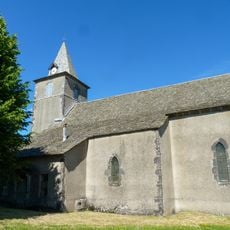
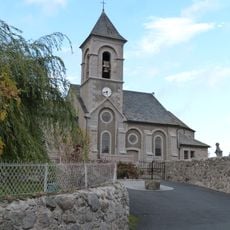
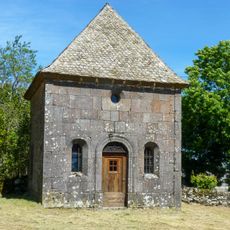
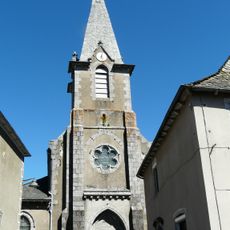
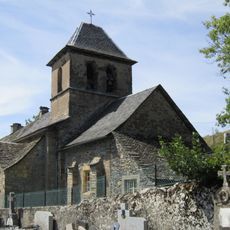
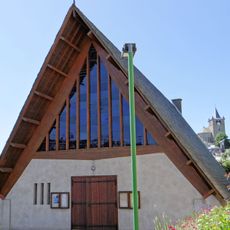
The Hospital and Order of Aubrac is a former monastery and hospital on the Aubrac plateau at Aubrac in the Aveyron. The photograph shows a cluster of connected stone buildings: a small chapel with a square tower and shallow pyramidal roof, a long low building with a pitched roof, a taller square tower with a hipped roof, and a smaller building with a steep gable. The walls are weathered grey and brown stone, the roofs dark grey, and the complex stands on open grassland with sparse trees.
The hospital was founded between 1108 and 1125 by the abbey of Conques at the initiative of Adalard, a Flemish nobleman who donated land. It soon escaped Conques's control; in 1162 Pope Alexander III took it under papal protection and Bishop Peter II of Rodez gave the canons the Augustinian rule. The order was chartered in 1120 or 1122 and remained independent until the French Revolution, when the religious were dispossessed in 1791.
The hospital's name survives in the title "domerie", and its members were commonly called "hospitaliers" because of their care for the poor, the sick and pilgrims. The statutes of 1162, revised several times in the later Middle Ages, are preserved. The community included priests, knights, lay brothers, noblewomen and lay sisters.
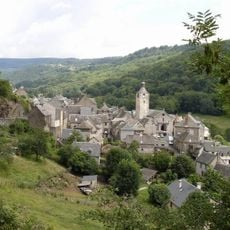
The complex stands on open grassland on the Aubrac plateau, in the village of Aubrac within the commune of Saint-Chély-d'Aubrac. Most monastic buildings vanished after the Revolution, so what remains is a group of connected stone structures: a small chapel with a square tower, a long low building, a taller square tower with a hipped roof and a steep-gabled building. Approach on foot from the village and allow time to walk around the outside walls.
The order's statutes of 1162 survive, and they were revised several times in the later Middle Ages. They list priests, knights, lay brothers, noblewomen and lay sisters among the members, and the Knights Hospitaller tried several times, without success, to annex the order, which stayed independent until the French Revolution.
The community of curious travelers
AroundUs brings together thousands of curated places, local tips, and hidden gems, enriched daily by 94,158 contributors worldwide.