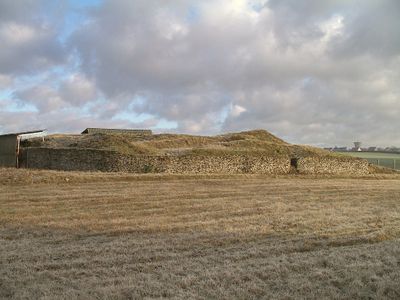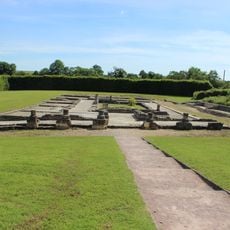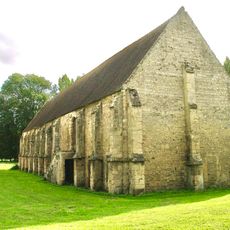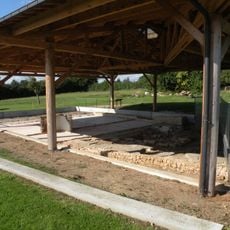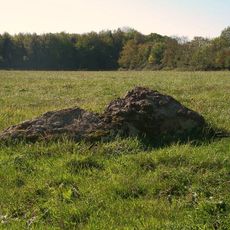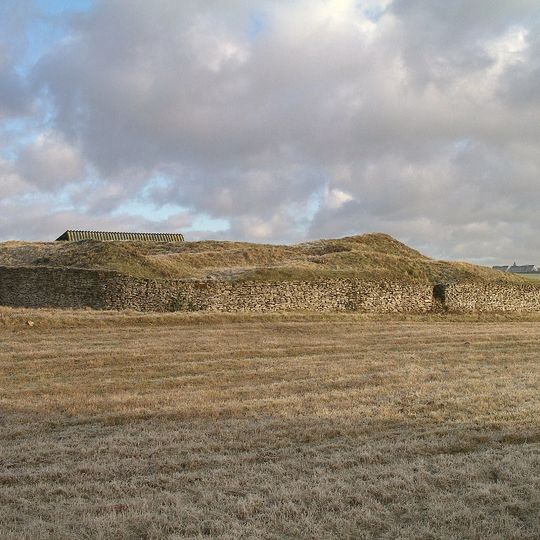
Tumulus de la Hogue, Neolithic burial mound in Fontenay-le-Marmion, France
Tumulus de la Hogue is a rectangular Neolithic burial mound measuring roughly 40 meters long and 30 meters wide. It contains twelve circular stone burial chambers with diameters between 4 and 5 meters arranged within the earthen mound.
The mound was built around 4500 to 4000 BCE as a communal burial ground for Neolithic peoples. Archaeologists discovered the site in 1829 and carried out excavations that revealed details about how these early communities honored their dead.
The site takes its name from local stories about prehistoric burial practices in the region. Walking through the chambers today, you can sense how important communal burial was for the societies that built this monument.
The site is located in Normandy in the Calvados department and remains protected as a historical monument. Visitors should wear sturdy shoes as the ground is uneven and entering the stone chambers requires careful footing.
Archaeologists discovered perforated canine teeth and pendants made from ivory and amber inside one of the chambers, showing the skilled craftsmanship of the time. These personal objects offer a rare glimpse into daily life and how the dead were valued by their community.
The community of curious travelers
AroundUs brings together thousands of curated places, local tips, and hidden gems, enriched daily by 92,289 contributors worldwide.