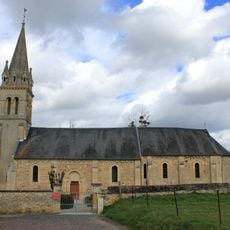
Vieux-la-Romaine, Archaeological site and historic monument in Normandy, France
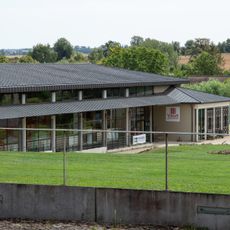
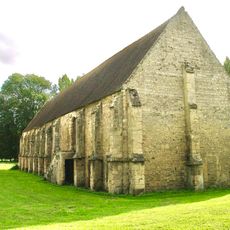
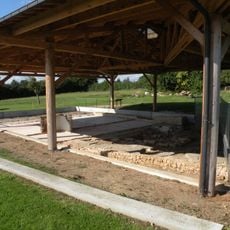
Vieux-la-Romaine is an archaeological site of the ancient city Aregenua with preserved Roman houses, streets, and a forum district. The location reveals the remains of a settlement that developed over centuries and shows how the city was organized and built.
Aregenua was founded in the 1st century CE as the capital of the Viducasses and flourished in the 2nd and 3rd centuries. After barbarian invasions at the end of the 3rd century it lost its status and was never walled. Excavations began in 1697 after the 1580 discovery of the Thorigny marble, with major campaigns in the 19th century and scientific work in the 20th and 21st centuries.
The site's name comes from the Gaulish Aregenua, meaning "in front of the mouth", referring to the Guigne stream that joins the Orne. The Viducasses are named by Pliny the Elder in his Natural History, and Ptolemy lists the city in his Geography. The limestone base of a statue, the marbre de Thorigny, records that in 238 CE the city held tax privileges and its magistrates were Roman citizens.
The site is usually open from February through December with guided tours available in multiple languages. Plan for sturdy shoes and check opening times before visiting, as weather can affect accessibility on the grounds.
The Maison au Grand Péristyle, a large villa with an inner courtyard, is notable for housing a limestone statue of Tutela discovered in 1988. This stone figure likely served as a protective deity for the residents and reflects their religious beliefs.
The community of curious travelers
AroundUs brings together thousands of curated places, local tips, and hidden gems, enriched daily by 94,658 contributors worldwide.