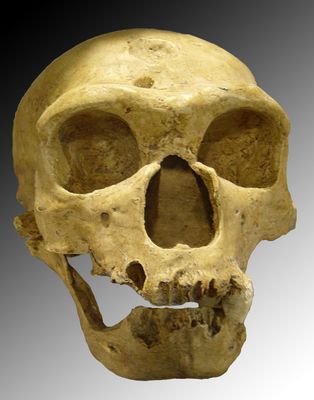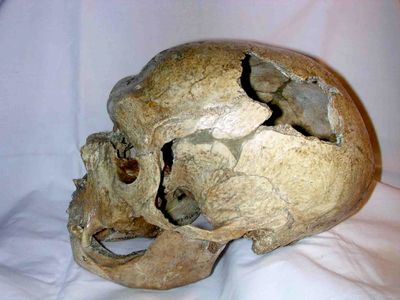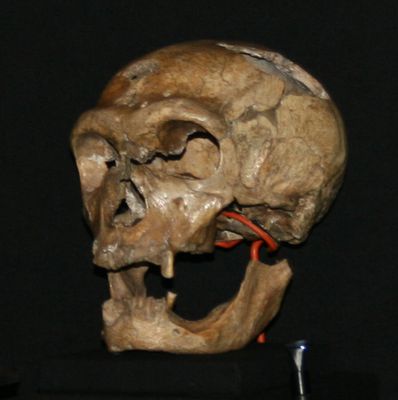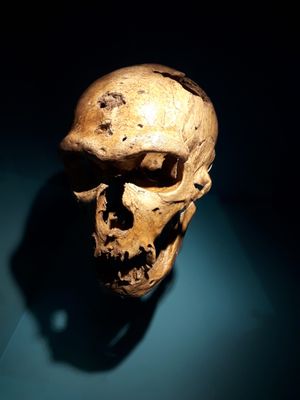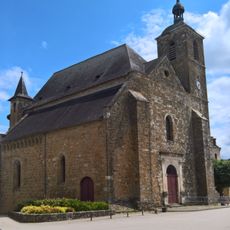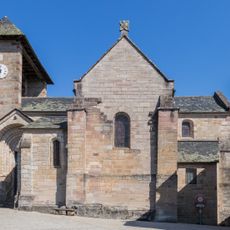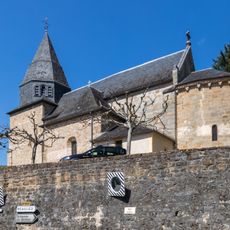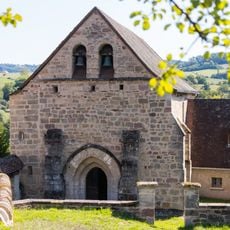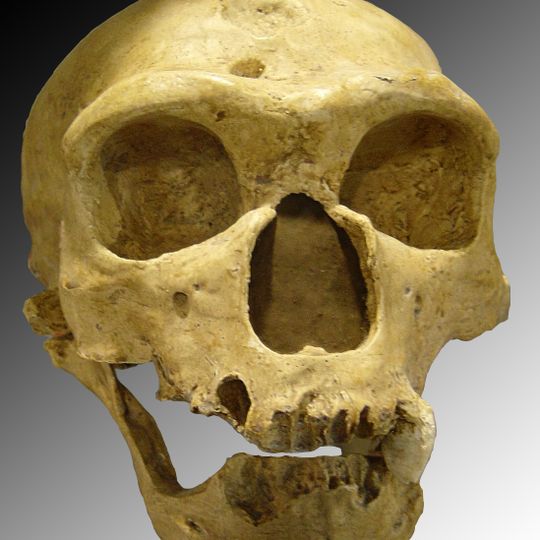
La Chapelle-aux-Saints 1, Hominin fossil in Corrèze, France
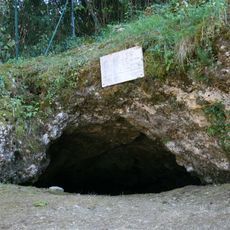
La Chapelle-aux-Saints 1 is a Neanderthal skeleton discovered in a limestone cave. The specimen includes a complete skull, facial bones, and other skeletal elements from an individual who lived to approximately 40 years of age.
Three archaeologists uncovered this skeleton in 1908, making it one of the first nearly complete Neanderthal specimens ever found. This cave discovery opened entirely new paths for scientists studying our extinct relatives.
The remains were first studied in 1911 and helped transform scientific views of Neanderthal anatomy. This skeleton gave researchers their first clear picture of how these early humans actually looked.
This specimen is housed in scientific collections rather than on public display in a museum setting. Access to examine it requires working through research institutions that specialize in paleoanthropology.
This individual had severe dental problems and advanced arthritis, suggesting it needed help from others to process food. Such evidence of care and mutual support within groups is rarely observed in early human fossils.
The community of curious travelers
AroundUs brings together thousands of curated places, local tips, and hidden gems, enriched daily by 91,793 contributors worldwide.