Versailles Orangerie, Orangery in Versailles, France
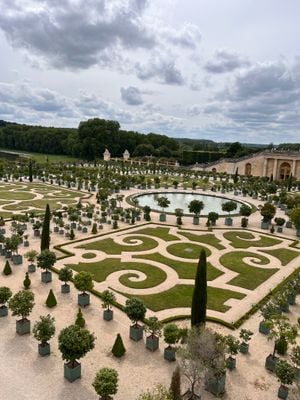
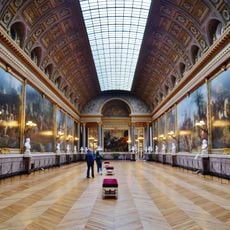
The Versailles Orangerie is a long underground building with thick walls and vaulted ceilings designed to protect tender plants from cold weather. The interior space stretches across a considerable length and holds thousands of containers with citrus trees, palms, and other Mediterranean plants.
Louis Le Vau built the first orangery here in 1663–1664 to supply the small hunting lodge. Jules Hardouin-Mansart replaced it between 1684 and 1686 with the present structure, doubling its size; the masonry pavilions followed Jean-Baptiste de La Quintinie's system for protecting exotic plants without artificial heat. In 1871 the galleries served as a prison for Communards before their transfer to Satory.
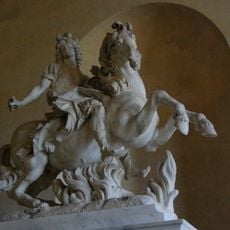
Citrus growing was a court fashion: French gardeners withheld water and nutrients and pruned the trees so they flowered year-round, which pleased Louis XIV. Orange blossom remained prized as a wedding ornament, and citrus motifs recur in sculpture, mosaics, embroidery, weaving, painting, poems and songs. John Locke, visiting Versailles, noted that the boxes prevented proper rooting, giving the trees small heads and thick trunks.
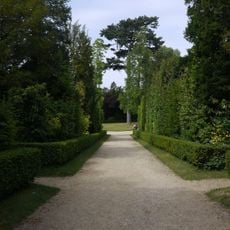
The best time to visit is between May and October, when the plant containers are moved outdoors to the surrounding gardens for better light and air. Access is straightforward since the site is part of the Versailles palace grounds with clearly marked entrances.
The building cleverly uses its southern orientation and position beneath the upper garden to maximize heat retention without needing artificial heating. This passive insulation method was an ingenious solution for plant protection in the 17th century.
The community of curious travelers
AroundUs brings together thousands of curated places, local tips, and hidden gems, enriched daily by 93,577 contributors worldwide.