Poitiers amphitheatre, Roman amphitheatre ruins in Poitiers, France
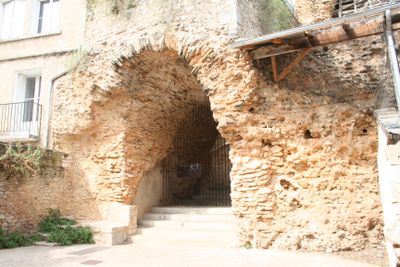
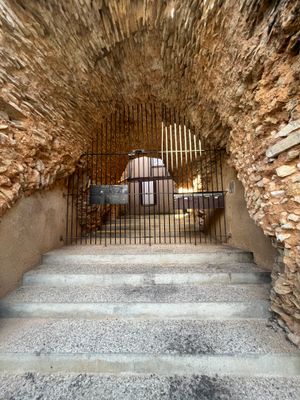
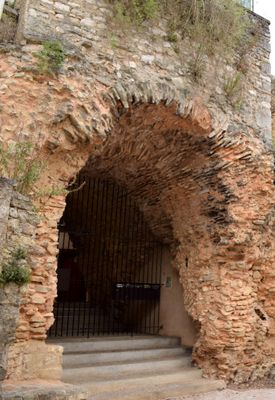
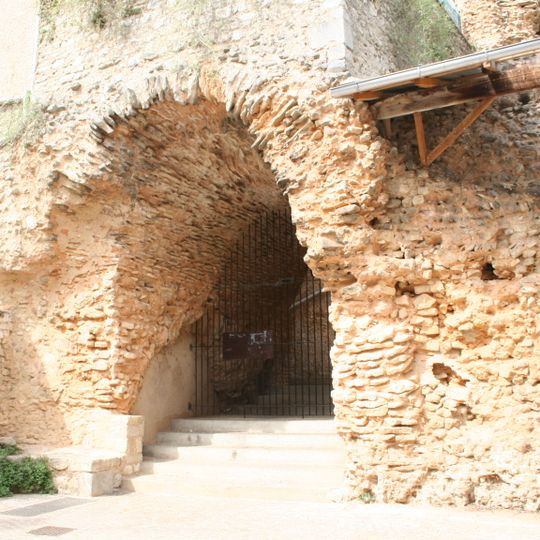
The Poitiers amphitheatre is an elliptical Roman structure measuring 155.80 by 130.50 metres, among the largest in Gaul. Its radiating walls were built of small, regular rubble stones, while the annular walls used the same masonry less carefully, likely because several teams of masons worked at once. The vaults are made of flat stones laid radially. Only the vaulted arcades of the first and second levels on Rue Bourcani remain visible.
The structure was built during the first century AD as an entertainment center for the Roman settlement. It remained in use until late antiquity and was an important gathering point for city life at the time.
The amphitheatre was a gathering place where people from different social ranks came together to watch fights and games. Spectators sat in sections that reflected their position in society, revealing how the community was organized.
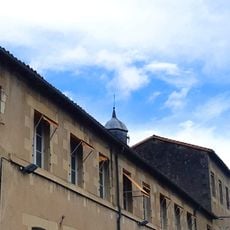
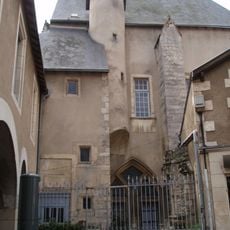
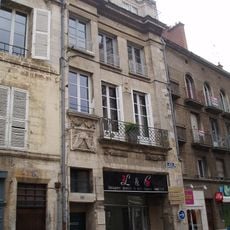
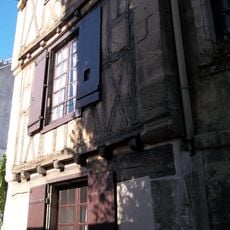
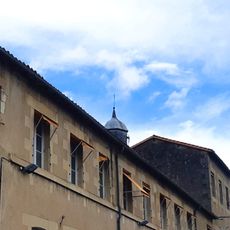
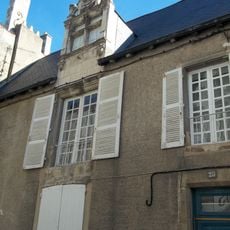
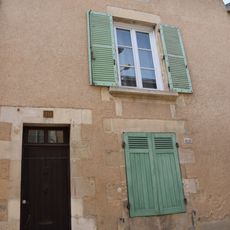
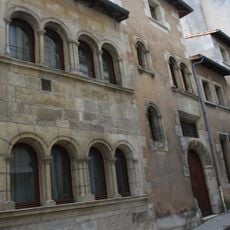
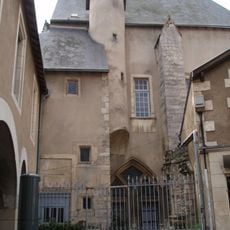
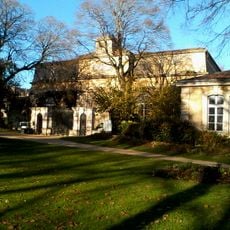
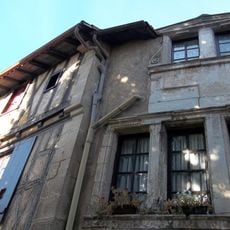
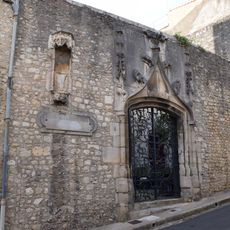
The visible remains are on Rue Bourcani, where radiating vaults of the first and second arcade levels survive. Other wall and vault elements are kept inside houses on Rue des Arènes romaines and Rue Magenta and in their cellars, so they are not open to view. Rue Magenta crosses the monument along its long axis, and three streets meet at the centre of the arena.
The amphitheatre was one of the largest known structures of its kind in ancient Gaul. A system of radiating galleries allowed crowds to move efficiently to their assigned seating areas.
The community of curious travelers
AroundUs brings together thousands of curated places, local tips, and hidden gems, enriched daily by 94,105 contributors worldwide.