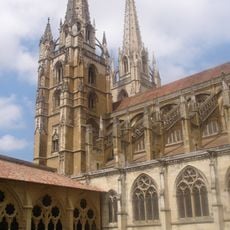
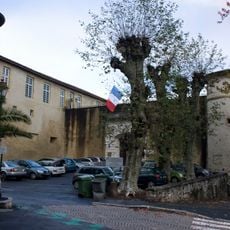
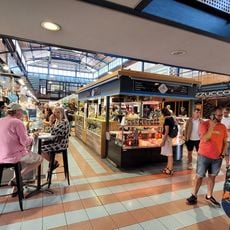
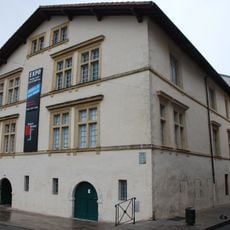
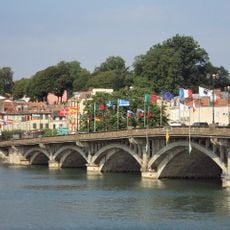
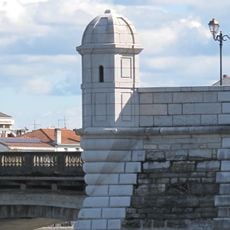
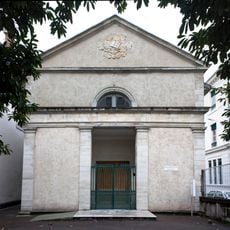
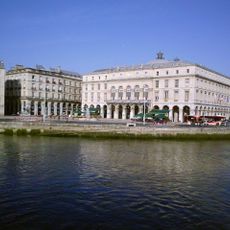
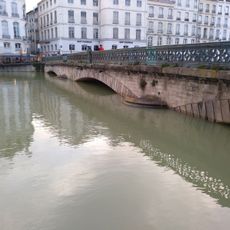
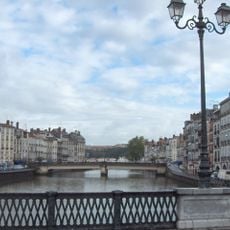
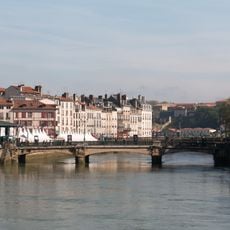
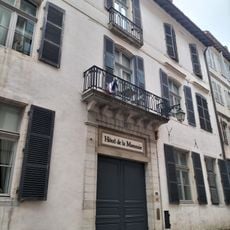
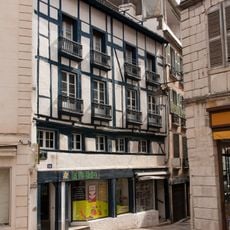
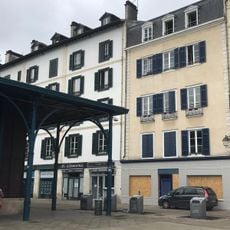
Aire urbaine de Bayonne, Metropolitan statistical area in Nouvelle-Aquitaine, France
The Aire urbaine de Bayonne is a planning zone in southwestern France, grouping several municipalities from two departments, Pyrénées-Atlantiques and Landes, into a single area defined by shared work and daily life connections. Bayonne sits at its core, surrounded by towns and villages that together form one continuous living and working space.
France introduced the aire urbaine concept in the 1990s as a statistical tool to map the real economic links between a city and the towns around it. The zone covering Bayonne was drawn up for the 1999 census and has since changed shape as surrounding municipalities joined or left over time.
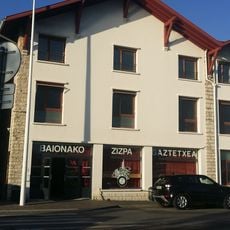
The area around Bayonne sits at the edge of the French Basque Country, where local markets, festivals, and the Basque language on signs and in conversation give daily life a distinct feel. Visitors moving between towns will notice how traditions vary from one municipality to the next, even over short distances.
This zone is not a destination in the usual sense but a planning framework that helps visitors understand the wider region around Bayonne. Bayonne itself is a good base for exploring the surrounding towns, as road and rail connections link the main communities across the area.
The area around Bayonne is one of the few urban zones in France that borders another country, sitting just a short drive from the Spanish Basque Country. This position has made Bayonne a natural crossing point between France and Spain for centuries, long before any administrative boundary was drawn.
The community of curious travelers
AroundUs brings together thousands of curated places, local tips, and hidden gems, enriched daily by 92,016 contributors worldwide.