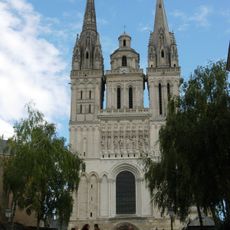
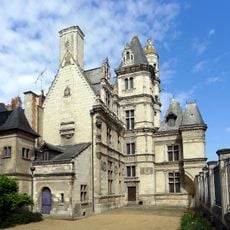
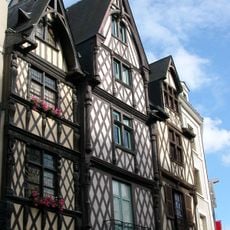
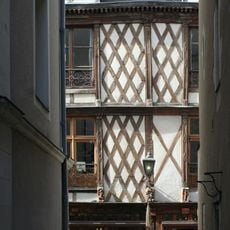
Iuliomagus, Roman archaeological site in Angers, France.
Iuliomagus is a Roman archaeological site near Angers containing remains of residential buildings, public structures, and a temple dedicated to religious worship. The excavated layers show how the settlement was organized across several centuries and how people lived their daily lives here.
The Andecavi settled north of the Loire in the 5th century BC. Preventive excavations between 1992 and 2003 proved a Late La Tène occupation (about 80–70 BC) continuing into the Augustan period, with a rampart of horizontal timbers and roads. The Roman town, bounded by the Maine and an amphitheatre, covered up to 80 ha with about 3,000 inhabitants; from the late 3rd century the population withdrew behind a 9 ha walled castrum.
The name Iuliomagus combines the Latin Julius, likely a dedication to an emperor, with the Celtic magos, meaning market. Later sources call it Juliomagus Andecavorum, after the Andecavi, the Gallic people whose capital it was. The settlement's name survived as Angers.
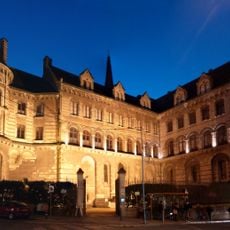
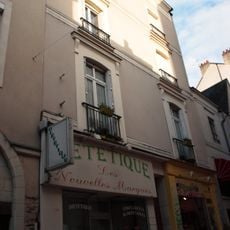
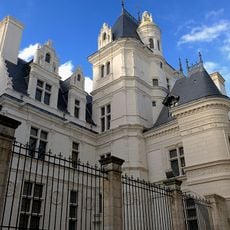
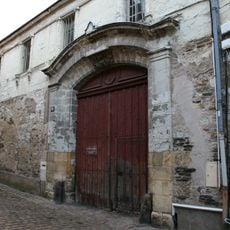
The remains lie within the modern city of Angers, not on a single fenced dig: the amphitheatre of Grohan is traced along rue des Arènes and rue Hanneloup, where five tier walls were seen at nos. 13–19 and the podium wall at no. 11. The castrum wall, 2 to 4 m thick with courses of small stone and brick, can still be seen in rue Toussaint. Look for these street-level traces rather than a visitor centre.
The temple here represents one of the westernmost known places where people worshipped the god Mithras in the Roman world. Ritual offerings and objects deliberately left behind remain preserved, telling the story of the faithful who prayed at this location.
The community of curious travelers
AroundUs brings together thousands of curated places, local tips, and hidden gems, enriched daily by 94,399 contributors worldwide.