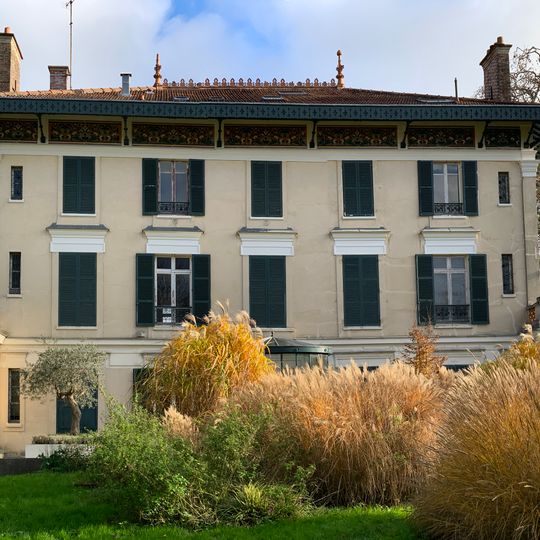
Musée de l'Histoire vivante, Social history museum in Montreuil, France.
The Musée de l'Histoire vivante is a social history museum housed in a 19th century building in Montreuil that focuses on labor movements and social struggles. The collection spans from the French Revolution to the 1960s and contains documents, personal objects, and photographs showing the lives and work of activists and politicians.
The museum was established in 1937 and opened in 1939 during commemorations of the French Revolution's 150th anniversary. Its founding was closely tied to the political left and shaped its role as a repository of worker struggles and progressive movements.
The museum's name comes from the Association pour l'Histoire Vivante, founded in 1937, which opened the collection in 1939 for the 150th anniversary of the French Revolution. It keeps the archives of Communist leaders Jacques Duclos, Daniel Renoult and Marcel Dufriche, and a space honours Hô Chi Minh's fight against colonialism. School groups work with image modules on the Revolution, colonial imagery and propaganda.
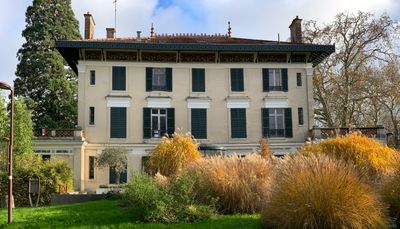
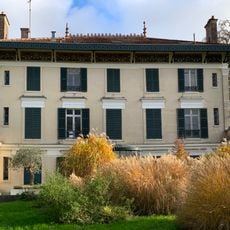
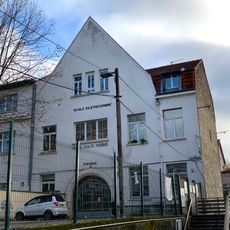
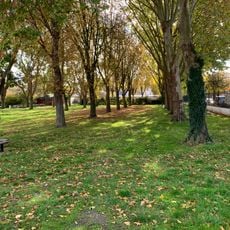
The museum occupies the Italianate villa that Montreuil mayor and industrialist Théophile Sueur built in 1874, inside Parc Montreau. The building stands behind tall grasses, with four bays of tall windows under dark green louvred shutters, some with small wrought-iron balconies, and a red-tiled roof ridge topped by a decorative metal crest.
A dedicated room presents Ho Chi Minh and his anti-colonial actions, showing how the museum's perspective extends to global resistance movements. This collection demonstrates how local French history connects with worldwide struggles against imperialism.
The community of curious travelers
AroundUs brings together thousands of curated places, local tips, and hidden gems, enriched daily by 93,119 contributors worldwide.