Musée de l'Éphèbe, Archaeological museum in Agde, France
The Musée de l'Éphèbe holds around 3,000 archaeological objects found through underwater research in the Mediterranean Sea and Hérault River. The collection features pottery, bronze items, weapons, and personal goods recovered from sunken vessels.
Built in 1984 by architect Jean Le Couteur around the 18th-century Mas de la Clape, the museum was required by the Ministry of Culture so Agde could receive the Éphèbe d'Agde, a Hellenistic bronze found in the Hérault in 1964. The statue, on deposit from the State, left the Louvre and was installed here in May 1987. The museum received the Musée de France label in 2002.
The museum's name comes from the Éphèbe d'Agde, a Hellenistic bronze of the 2nd century BC found in the Hérault in 1964 and long kept at the Louvre before arriving here in May 1987. The collections are not limited to antiquity: they run from the 10th century BC to the wreck of the corvette Le Rhône, stranded in 1836, and since 2019 include material from the Swedish brig Jeanne-Elisabeth, wrecked off Maguelone in 1755.
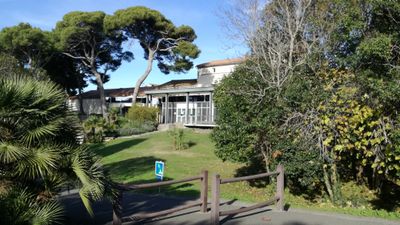
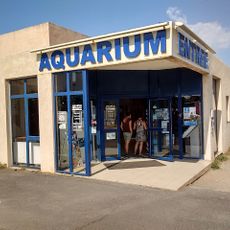
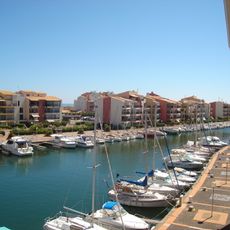
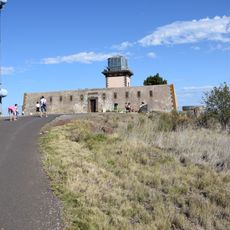
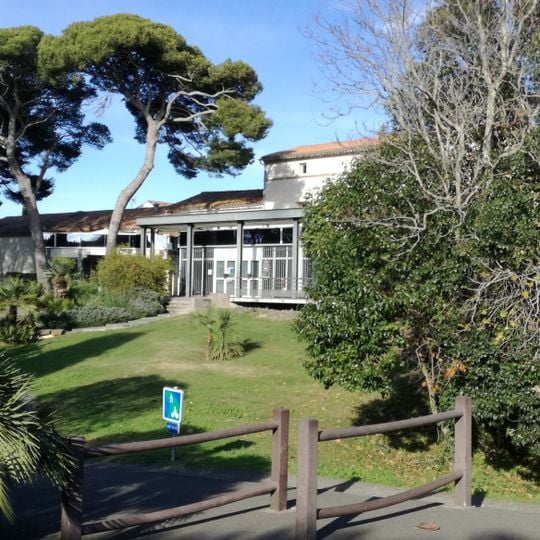
The museum stands on the Cap d'Agde resort site, built from the 1970s under the Mission Racine, around the 18th-century Mas de la Clape farm. The entrance portico with square grey pillars and a short flight of steps at its left end leads past glass doors and white-framed windows fitted with vertical metal grilles. The Éphèbe statue, on deposit from the State, has been displayed here since May 1987.
The museum's name comes from a bronze found in the Hérault riverbed in 1964, long identified as Alexander the Great; some researchers now read it as a young athlete. The 1755 Swedish brig Jeanne-Elisabeth, wrecked off Maguelone, has been excavated by DRASSM since 2008, and its tableware, weapons and a large cargo of silver from Cádiz are displayed here.
The community of curious travelers
AroundUs brings together thousands of curated places, local tips, and hidden gems, enriched daily by 93,792 contributors worldwide.