See the monuments around you in AROpen chests in the app
Around Us is built for your phone — point your camera at the streets and discover the monuments and places around you in augmented reality.Around Us is built for your phone — chests unlock when you walk, explore and capture nearby places.
Agde and the adjoining Cap d'Agde on the Mediterranean coast offer photographers a mix of volcanic rock formations, black sand beaches, and historic architecture. The 12th-century Cathédrale Saint-Étienne stands in the old town center, built from local basalt. Fort de Brescou, a 16th-century fortress on an offshore island, marks the region's maritime history. The port area and the Musée de l'Éphèbe, which displays Greek and Roman artifacts recovered from the Mediterranean, document the city's long seafaring tradition.
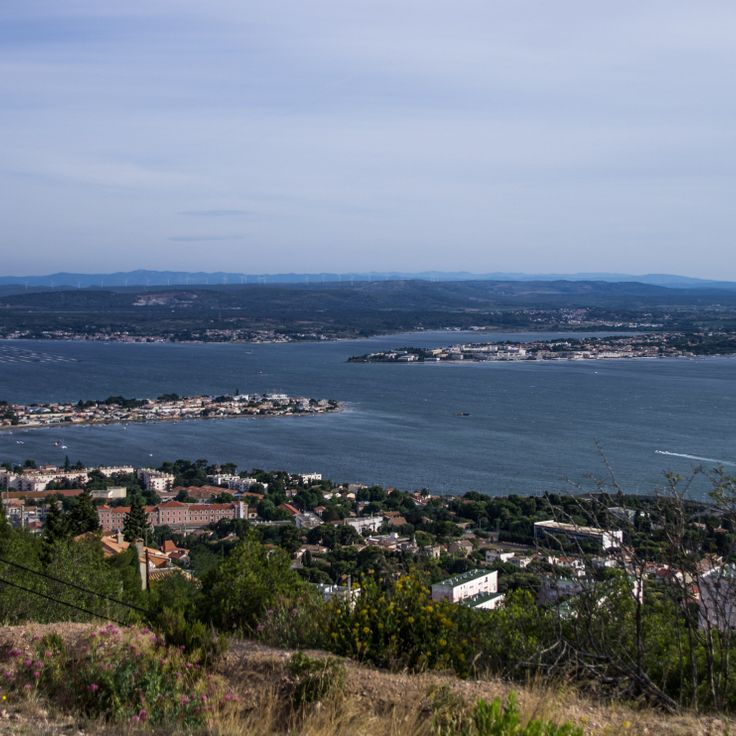
The coastline provides varied subjects, including Mont Saint-Loup, a 114-meter (374-foot) extinct volcano, Plage de la Grande Conque with its black pebbles, and the volcanic cliffs at Cap d'Agde. The Thau Lagoon near Sète, Île des Loisirs with its recreational facilities, and the Hérault River mouth at Le Grau d'Agde extend the photographic possibilities. Additional sites include Château Laurens, an Art Nouveau building, the Round Lock on the Canal du Midi, the Brescou lighthouse, and the 14th-century Chapelle Notre-Dame-de-l'Agenouillade.
Agde and the adjoining Cap d'Agde on the Mediterranean coast offer photographers a mix of volcanic rock formations, black sand beaches, and historic architecture. The 12th-century Cathédrale Saint-Étienne stands in the old town center, built from local basalt. Fort de Brescou, a 16th-century fortress on an offshore island, marks the region's maritime history. The port area and the Musée de l'Éphèbe, which displays Greek and Roman artifacts recovered from the Mediterranean, document the city's long seafaring tradition.
The coastline provides varied subjects, including Mont Saint-Loup, a 114-meter (374-foot) extinct volcano, Plage de la Grande Conque with its black pebbles, and the volcanic cliffs at Cap d'Agde. The Thau Lagoon near Sète, Île des Loisirs with its recreational facilities, and the Hérault River mouth at Le Grau d'Agde extend the photographic possibilities. Additional sites include Château Laurens, an Art Nouveau building, the Round Lock on the Canal du Midi, the Brescou lighthouse, and the 14th-century Chapelle Notre-Dame-de-l'Agenouillade.
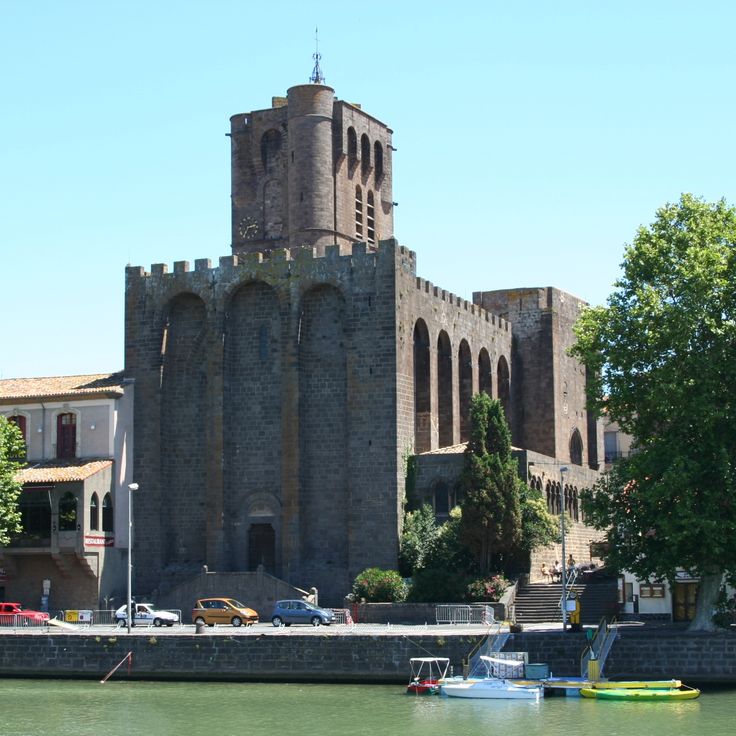
This 12th-century cathedral built from black basalt provides a notable example of Romanesque architecture and stands as a central landmark in the historic core of Agde. The dark facade creates a marked contrast to most sacred buildings in the region and makes it a sought-after subject for photographers documenting the maritime history and volcanic heritage of the town.
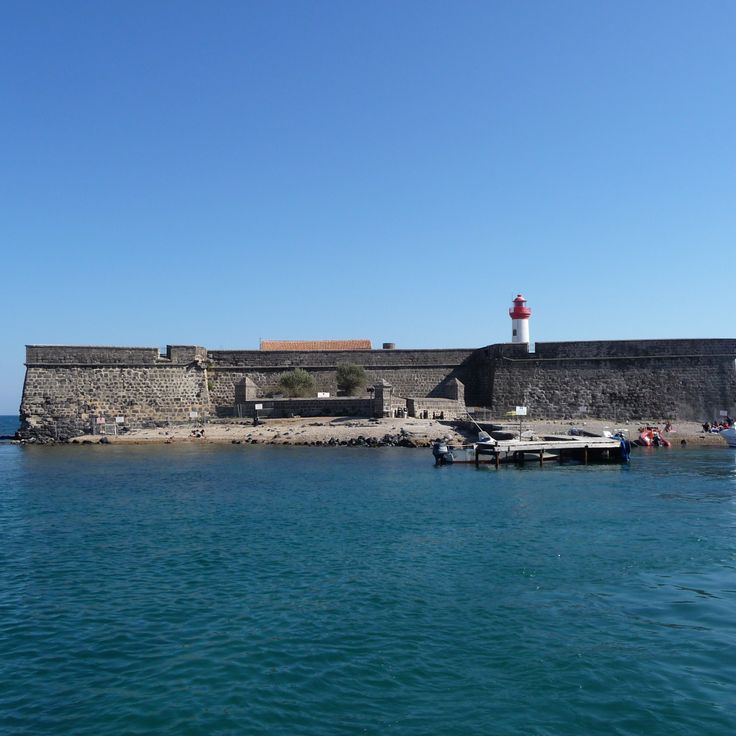
This fortress dates from the 16th century and sits 1.6 kilometers (one mile) offshore from Agde. Fort de Brescou served as both a prison and military defense structure. Built on an island, the fortification documents the maritime defense history of the region and provides photographers with compelling subjects from the shore or water.
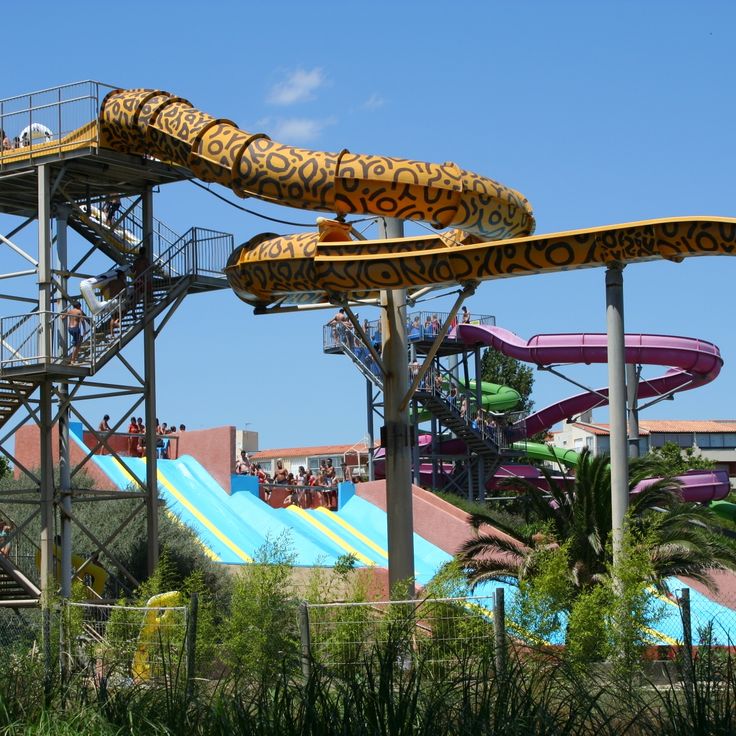
This water park provides photographers with 14 different slides and pools spread across 10 acres (4 hectares), offering colorful subjects for capturing recreational facilities in Agde. The installations showcase modern water park engineering with twisting tubes, open slides and pool areas that work well for wide-angle shots and detail photography.
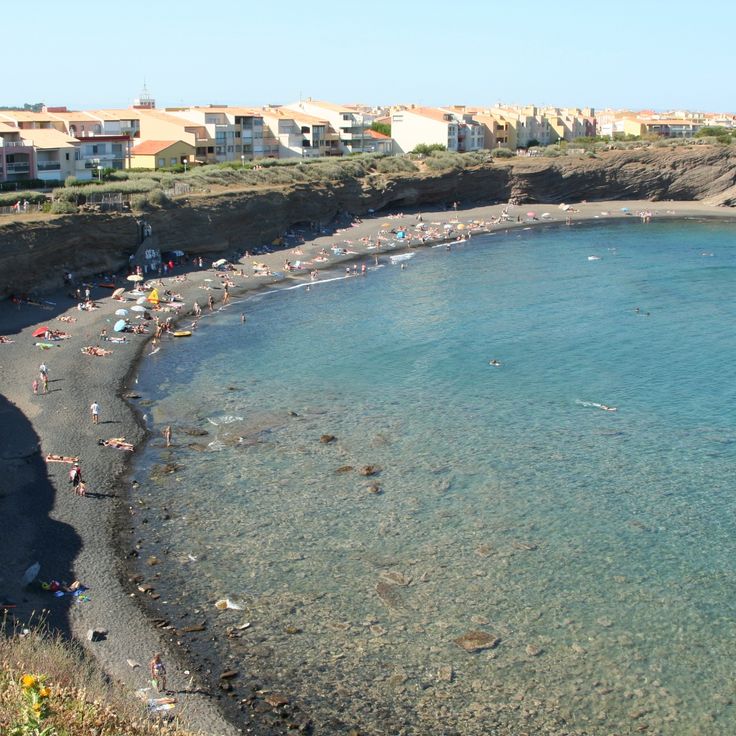
This semicircular beach with volcanic sand sits between black basalt cliffs and the Mediterranean Sea, representing one of the most photographed spots in Agde. Plage de la Grande Conque offers photographers and social media users an unusual subject with dark sand of volcanic origin, dramatic rock formations and the contrast between land and sea that reflects the geological history of this Mediterranean coastal area.
This coastal settlement at the mouth of the Hérault River combines maritime heritage with Mediterranean beach culture and offers photographers harbor scenes, fishing boats, sandy shores and the river mouth as subjects. The architecture ranges from traditional fishing houses to modern beachfront buildings, while the waterfront areas provide varied perspectives on water and vessels that complement Agde's broader photographic offerings.
This archaeological museum displays bronze statues and artifacts recovered from the Mediterranean Sea near Agde. Exhibits at Musée de l'Éphèbe document ancient trade routes and Roman seafaring along the coast. Finds include the 4th century BC statue of the Ephebe of Agde, Roman anchors, amphorae and navigation instruments. The museum sits on Mont Saint-Loup overlooking the Hérault River and covers over two thousand years of maritime history in this region.
The Hérault flows through central Agde before reaching the Mediterranean Sea several miles to the east. This photo collection features sections of the riverbank suitable for capturing the river, historic bridges and boats. The waterfront paths offer varied angles of the town and waterway.
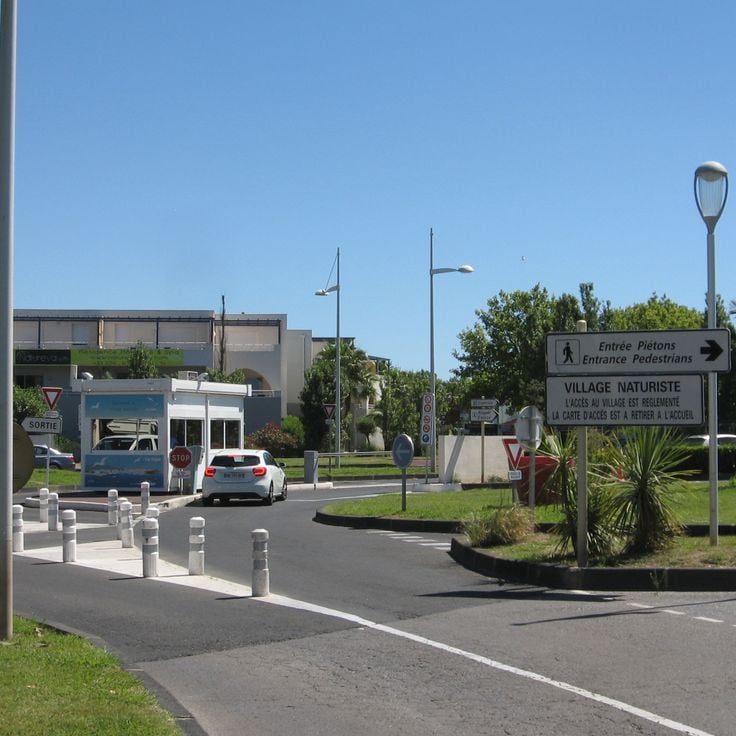
This self-contained resort enables clothing-optional living with restaurants, shops and beach access, standing among the most established naturist facilities on the French Mediterranean coast. The village welcomes visitors from April through October and forms a distinct part of Agde's photographic diversity, complementing the black sand beach, Romanesque cathedral and volcanic rock formations of the area.
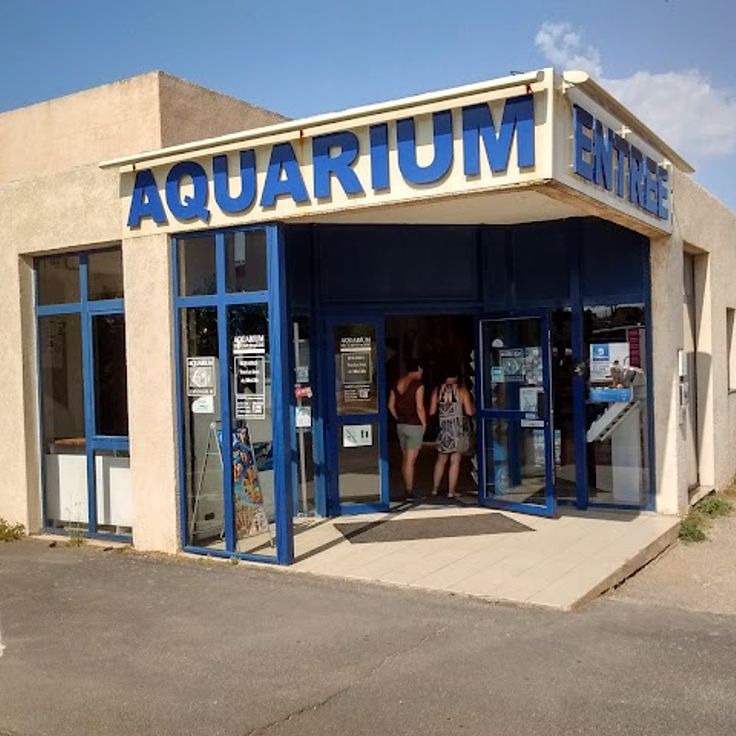
The aquarium displays Mediterranean fish and tropical species from all oceans. It houses over 30 water tanks containing various marine life and provides photographers with subjects for underwater photography and close-up shots. The Aquarium du Cap d'Agde complements the maritime photo opportunities found throughout the coastal town and expands documentation possibilities of the local marine environment.
This leisure island provides an ensemble of restaurants, shops, and playgrounds spread across five acres (two hectares) of developed space. The Île des Loisirs serves as a central hub for photographers documenting family activities and the busy port environment of Agde. The mix of commercial facilities and recreational areas provides diverse subjects for social media content, particularly during summer months when the grounds fill with visitors.
This beachfront walkway extends 1,640 feet (500 meters) along the Mediterranean coast and gives photographers clear sightlines toward the water, as well as opportunities to capture the beach life of Agde with its cafes and restaurants. The setting at Rochelongue Beach makes it a practical stop for recording the maritime character of the city, both in daylight and during evening hours when the light shifts across the water.
This 370-foot (113-meter) volcanic hill provides panoramic views of the city of Agde, the Mediterranean coastline and the inland plain. Mont Saint-Loup is an extinct Tertiary-era volcano that rises southwest of the harbor and serves as a natural vantage point for photographing the maritime setting and historic town. The summit platform allows views of Cap d'Agde, Fort Brescou and the coastline in both directions.
This beach in Agde borders a pine forest that provides natural shade and creates a contrast with the sandy area. Tamarissière Beach offers a calm setting away from the busier coastal sections and allows photographers to capture the vegetation and shoreline landscape in varying light conditions throughout the day.
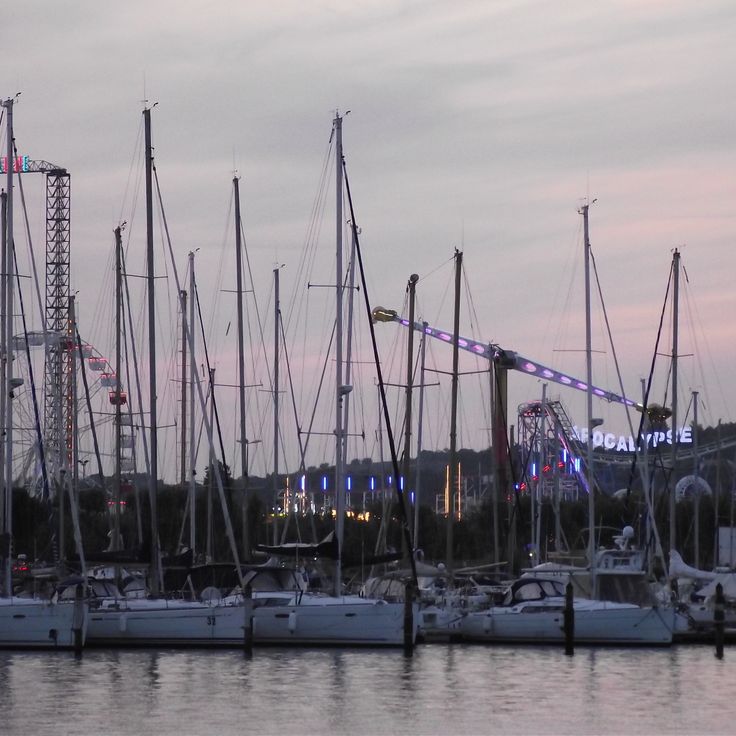
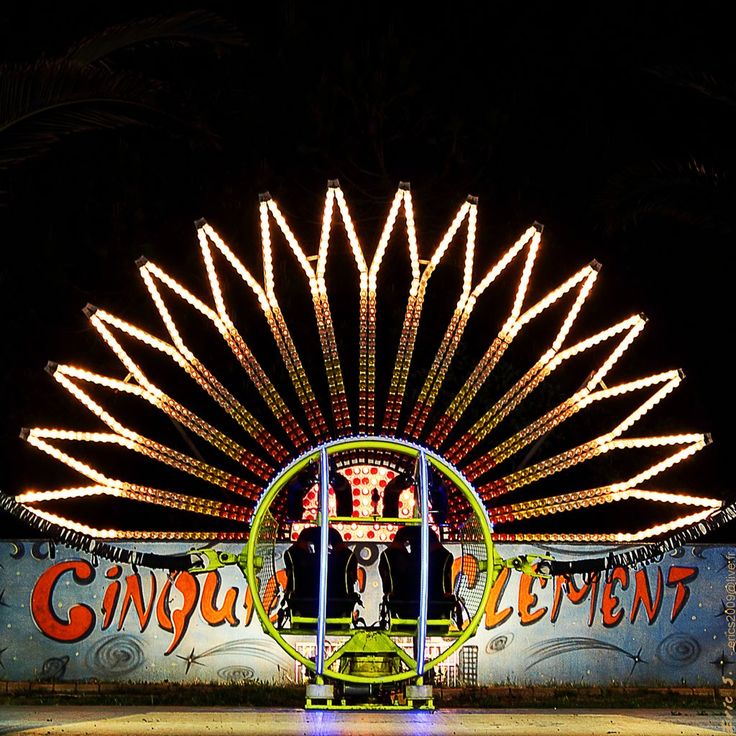
This amusement park features various rides and stands with colored lights during evening hours and is part of the diverse photographic subjects in Agde. The lights and activity create opportunities for shots that show the modern leisure aspect of the city, contrasting with the historical sites and natural landscapes that Agde also offers.
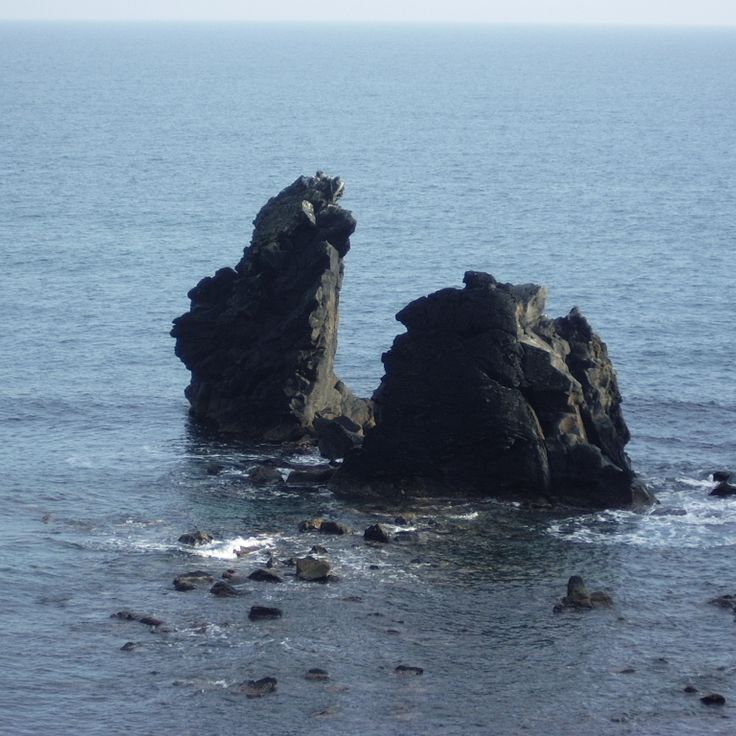
These two volcanic rock formations rise from the water and mark the entrance to the bay of Agde, a photographic subject that connects the region's geological history with the city's maritime heritage and offers landscape photographers and social media users interesting perspectives on the Mediterranean coast.
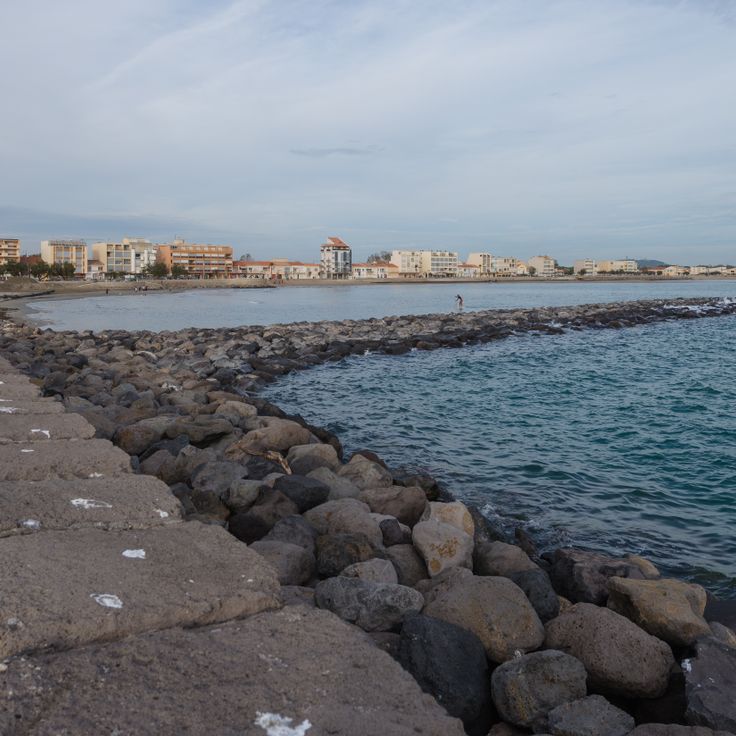
This stone pier extends into the Mediterranean and offers photographers clear views of sunsets over the water and passing vessels. The Môle Saint-Louis serves as a functional harbor structure and viewing point where visitors can observe the Agde coastline and port activities. The exposed position provides unobstructed sight lines to the horizon, while the massive stone blocks of its construction offer foreground interest for maritime compositions.
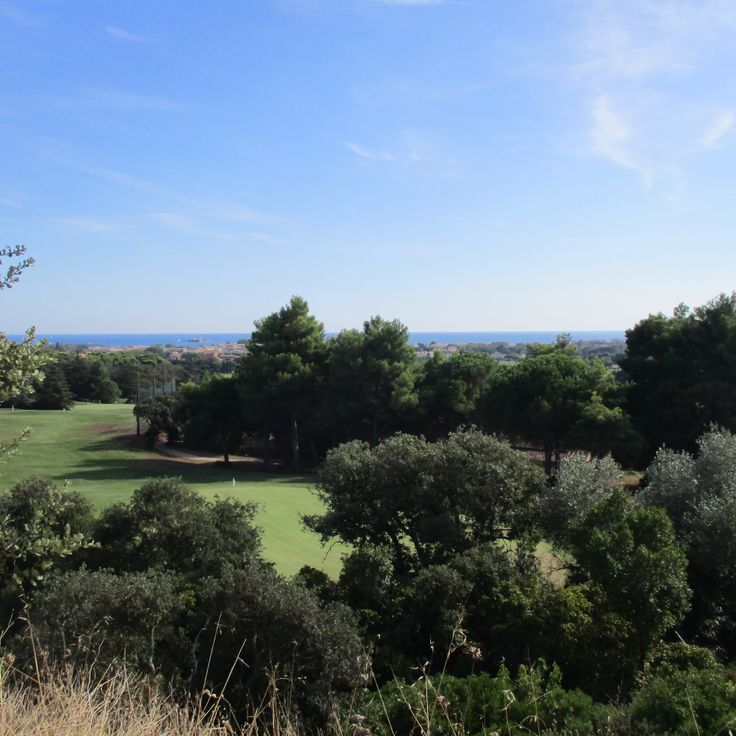
This 18-hole golf course covers 185 acres (75 hectares) and offers photographers compositions with water hazards, Mediterranean vegetation and fairways. The facility sits near the coast and allows shooting in various light conditions. The course shows the sporting infrastructure of the region and complements the photographic subjects in Agde, which range from volcanic heritage to maritime history.
This 7,500-acre (3,000-hectare) saltwater lagoon supports oyster farming and serves as habitat for flamingos and seabirds. The Thau basin offers opportunities for photographs of maritime aquaculture and birdwatching, complementing Agde's range of photographic subjects with its coastal landscapes.
This casino holds 200 slot machines, roulette and blackjack tables, and a restaurant with Mediterranean views. The facility welcomes visitors aged 18 and older and requires valid photo identification at entry. Cap d'Agde Casino sits directly on the coast and offers views of the Mediterranean from its restaurant, making it a photographic location for shots of the gaming floors and coastal architecture.
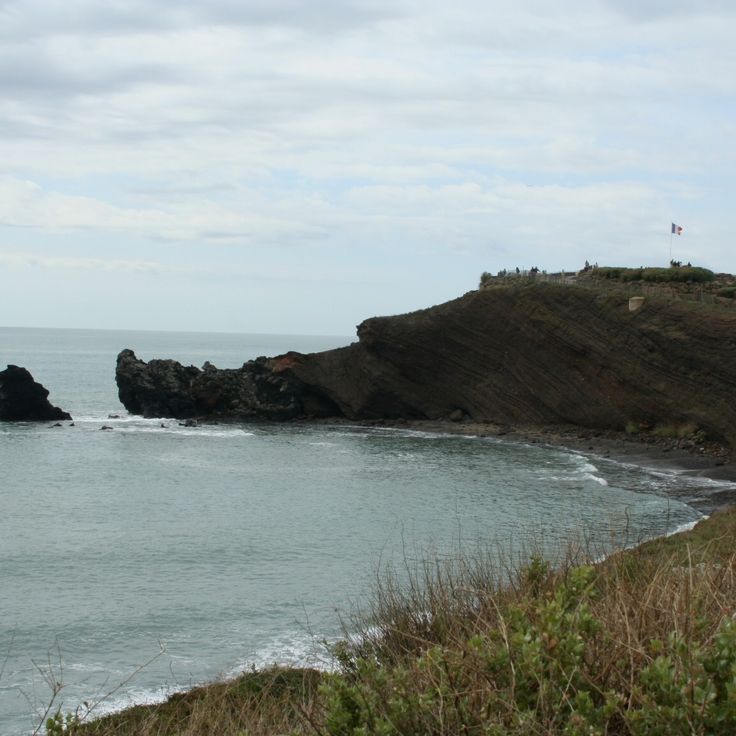
These black basalt cliffs formed 750,000 years ago through volcanic activity and represent one of the most distinctive geological formations in Cap d'Agde. The cliffs rise 98 feet (30 meters) above the sea and create a contrast with the surrounding beaches. For photographers, they offer a backdrop of rough texture and angular forms, particularly effective in direct sunlight or during the golden hour. The cliffs document the volcanic history of this coastal region and complement the photographic opportunities that Agde provides through its maritime architecture and black sand beaches.
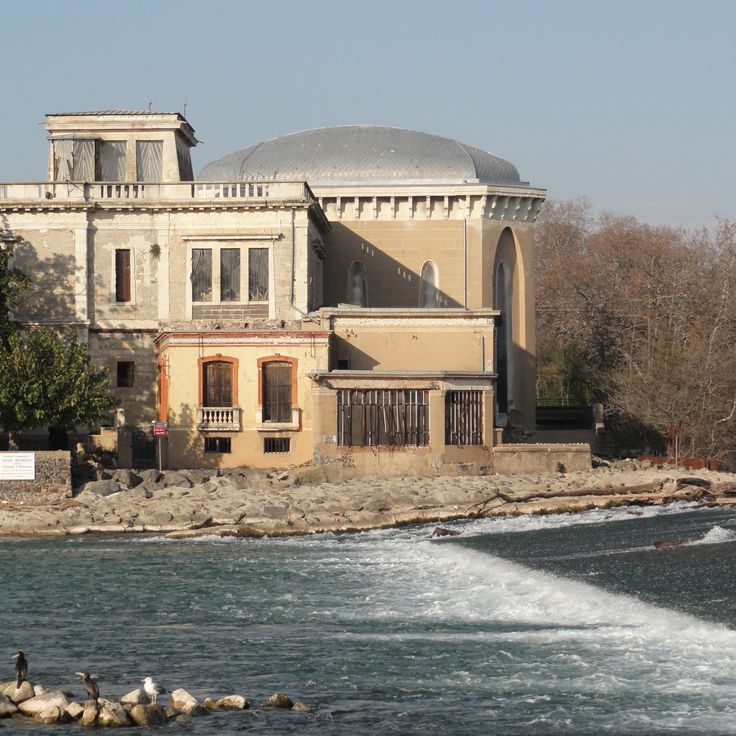
This historic 19th-century estate represents diverse French architectural styles through its stone reliefs and decorative facade elements, offering photographers in Agde an architectural subject distinct from the volcanic landscapes and maritime settings found elsewhere in town.
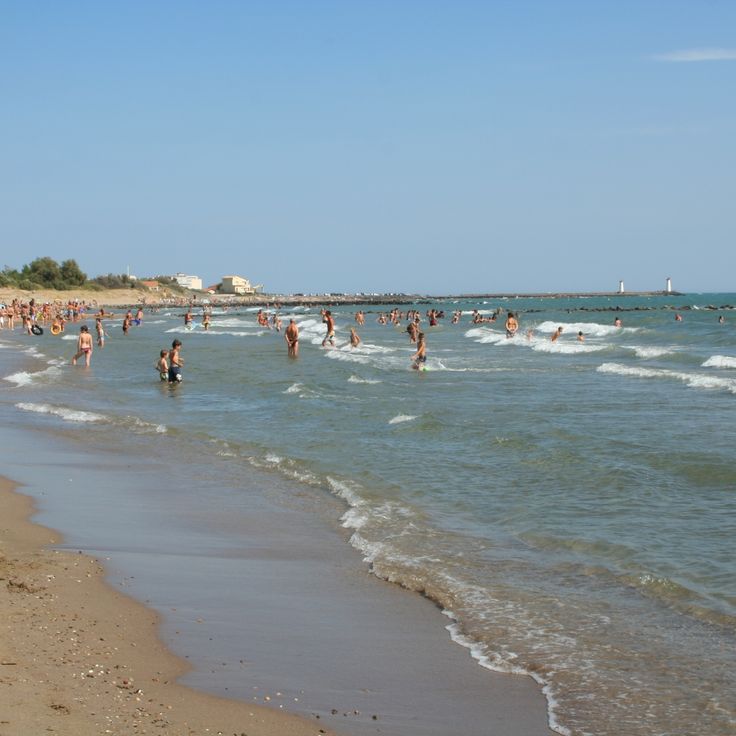
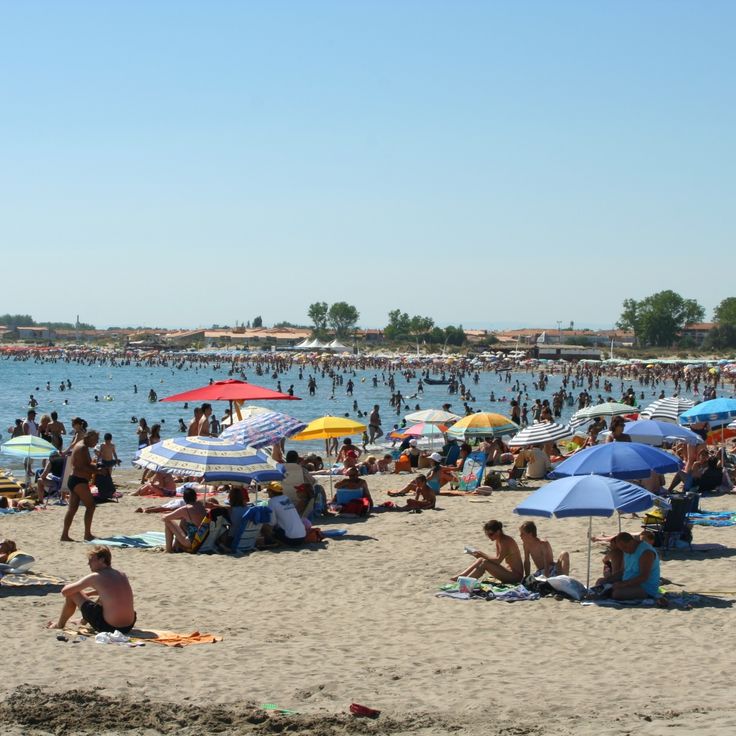
This beach extends for 1.2 miles (2 kilometers) along the Agde coastline, combining fine sand with a palm-lined promenade. Plage Richelieu offers one of the most accessible photo spots in the city, suitable for shooting from early morning to late afternoon. The wide sandy strip and maintained waterfront promenade create different perspectives for beach and coastal photography.
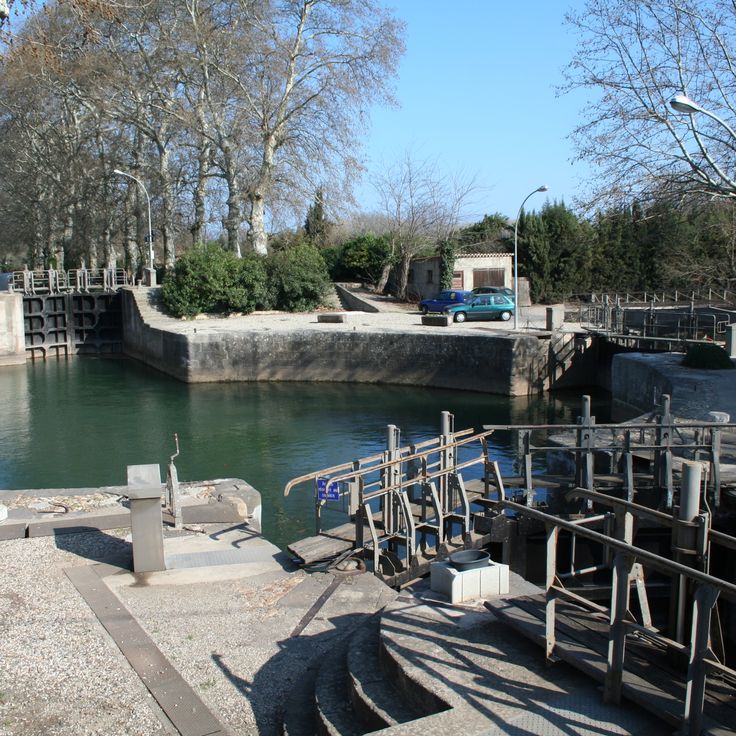
This round lock connects the Canal du Midi with the Hérault River and the Canal du Midi maritime. The circular construction from the 17th century allows boats to maneuver between three waterways and proceed in different directions. The lock is a functioning piece of engineering and offers photographers clear sight lines of the mechanics and stone architecture of the basin.
This narrow lane runs through the historic center of Agde and offers traditional stone houses with flower boxes at the windows. The tight passages and Mediterranean architecture create a characteristic frame for capturing the preserved old town. Photographers find here typical elements of urban design that reflect the maritime heritage of the region.
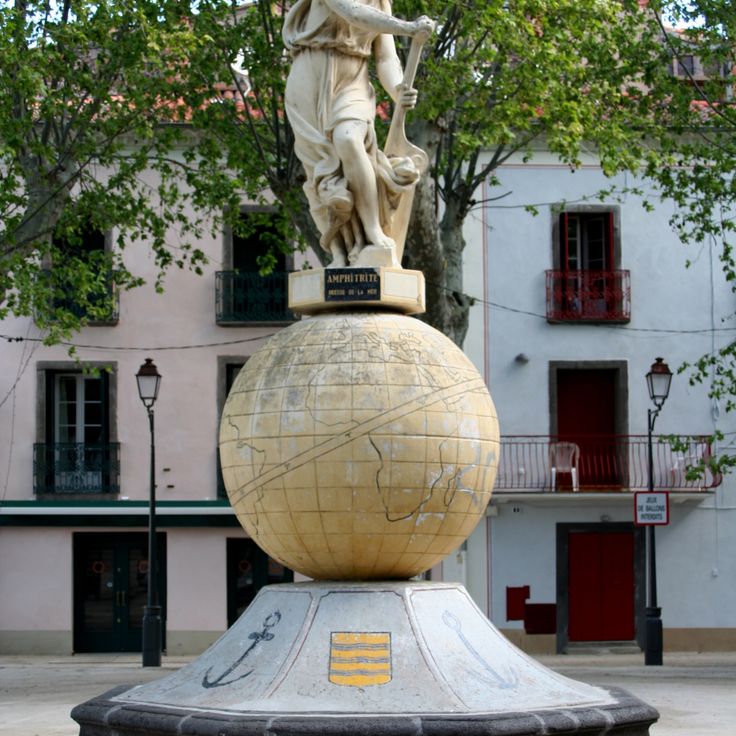
This bronze statue in the port district of Agde attracts photographers and visitors alike, offering compelling subjects for urban photography in a well-frequented public setting near the waterfront.
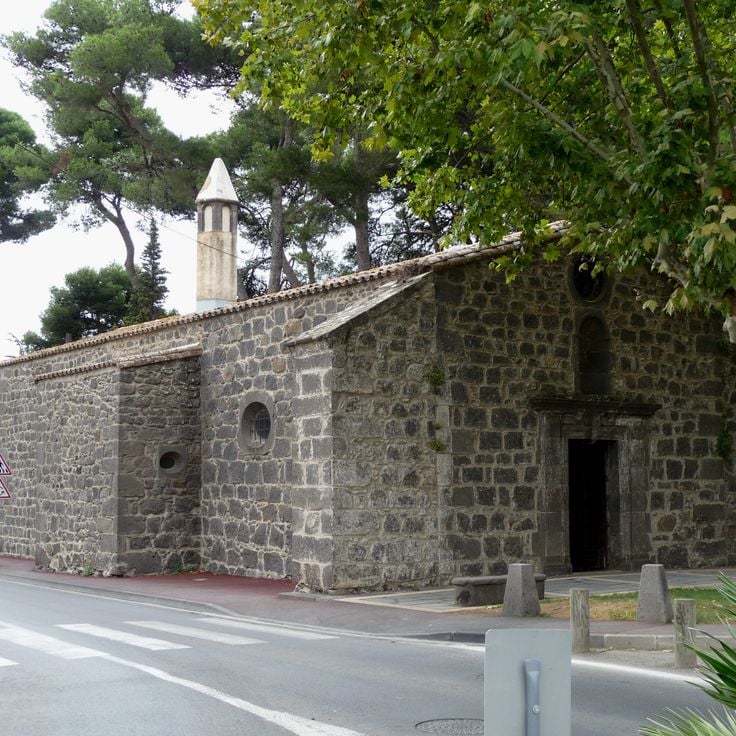
This 17th century chapel stands in Agde and displays stone carvings on its facade. The grounds include a maintained garden. The religious site offers photographers a combination of baroque architecture and quiet surroundings. The chapel adds to the historic photo subjects of the city with its stonework and natural setting, which differs from the maritime character of the port and the black sand beaches.
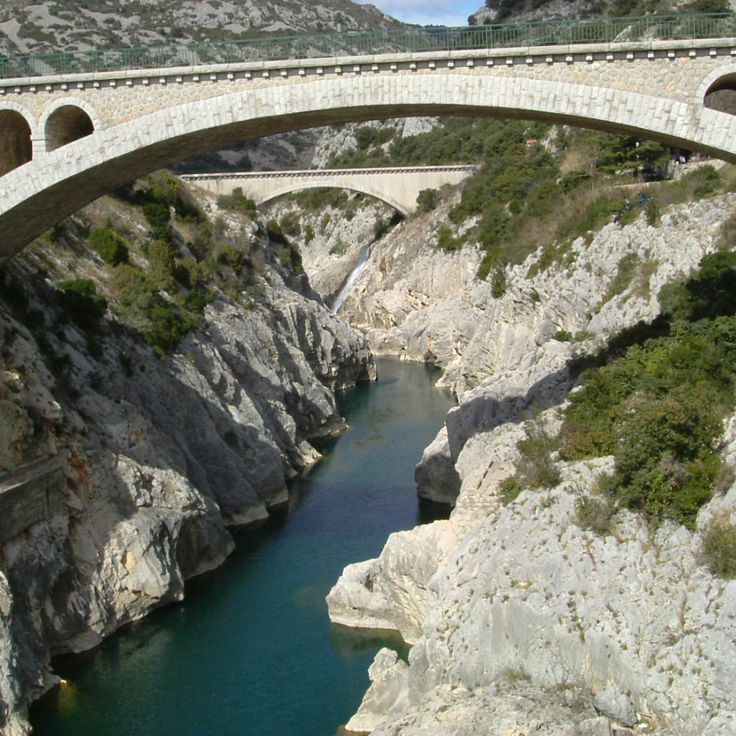
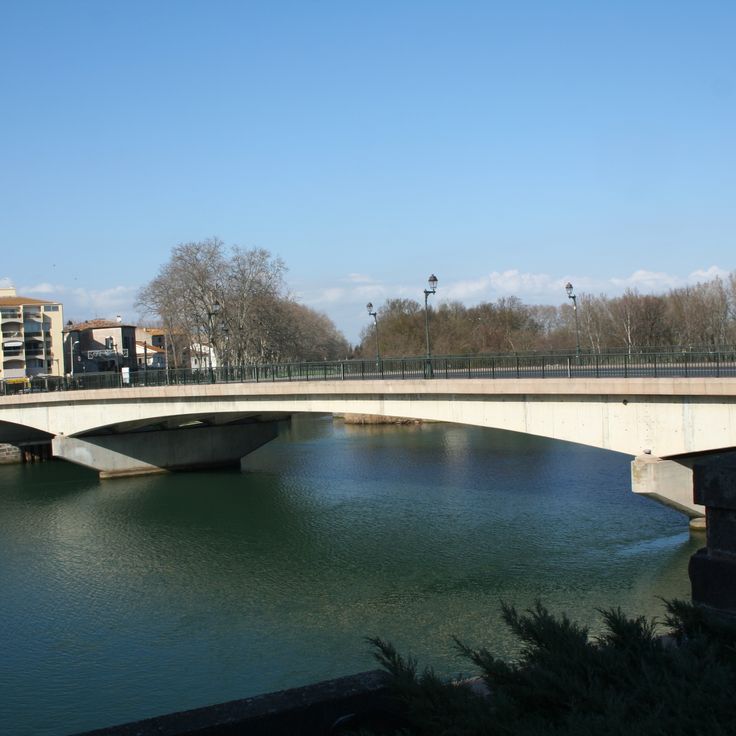
This stone bridge spans the Hérault River and links both sides of Agde. From here you can photograph fishing boats and historic buildings along the waterfront, capturing the maritime traditions of the town. The bridge itself provides a solid foreground element with its arches for compositions that incorporate the river and shoreline. Early morning and late afternoon offer soft light for shots of the water reflections and architecture along the river.
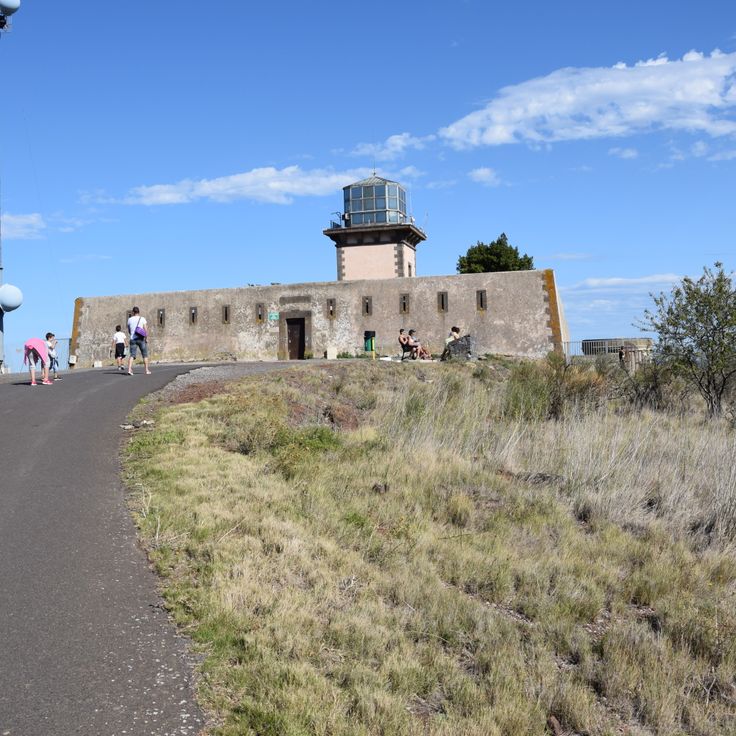
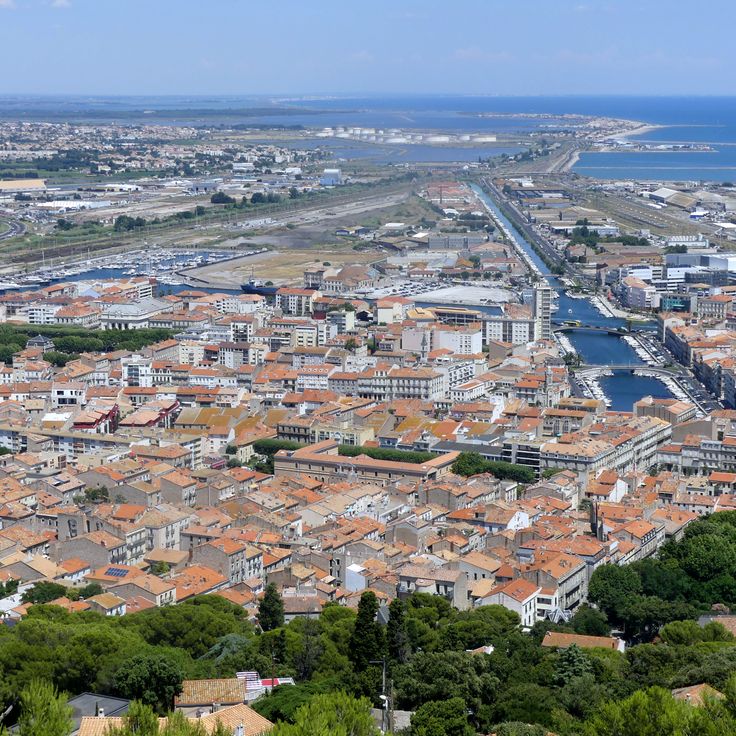
The observatory atop Mont Saint-Clair provides views across Agde's harbor, coastline and the Mediterranean Sea. The platform sits approximately 371 feet (113 meters) above sea level and is accessible via a stairway. The location works for wide angle shots of the city and its maritime surroundings.
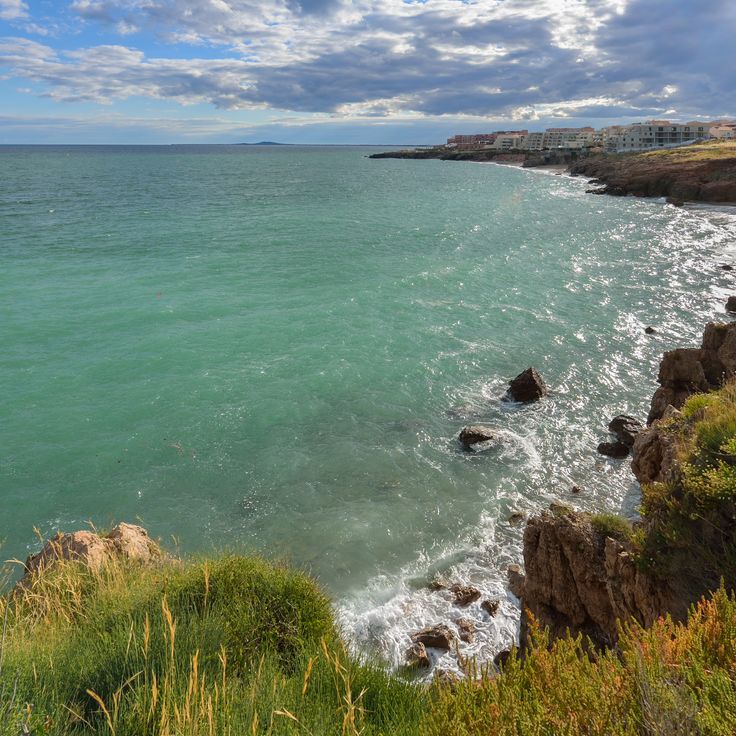
This cove presents natural stone formations of volcanic origin and direct access to the Mediterranean Sea. The black basalt rocks create contrast with the blue water and provide interesting photographic perspectives. The site demonstrates the geological heritage of Agde and complements the other volcanic features in the collection such as the dark sand beaches and rocky coastline along the shore.
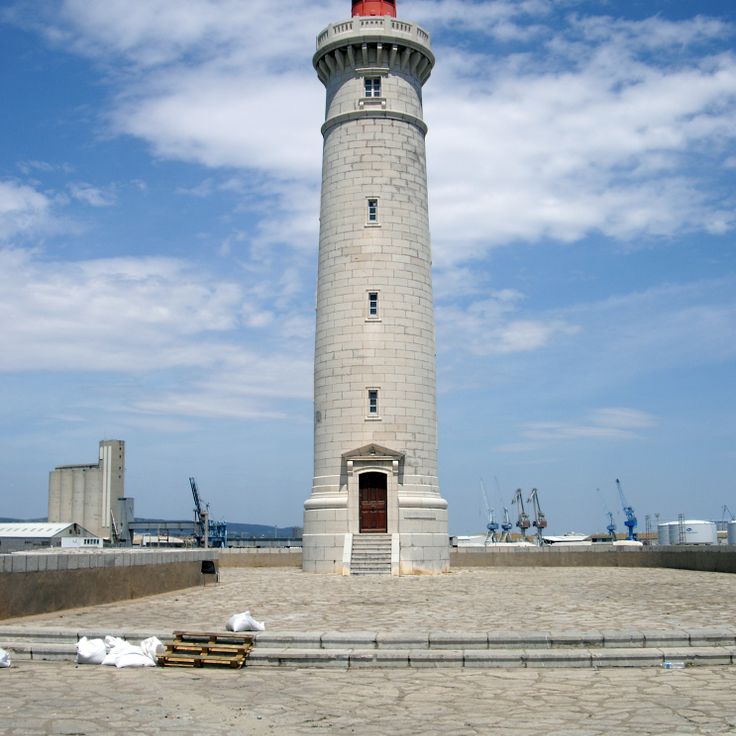
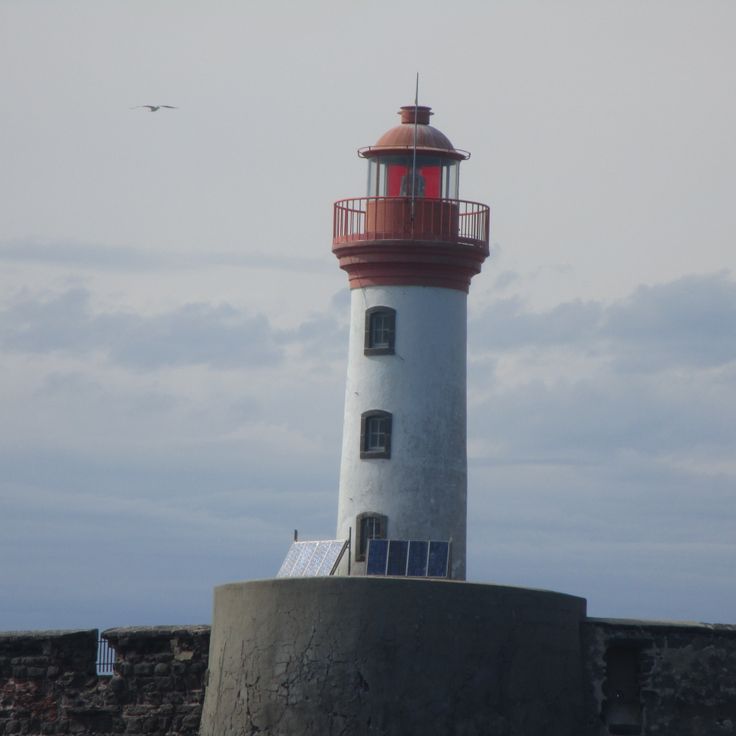
This lighthouse built in 1836 stands on a basalt island offshore and offers photographers a maritime perspective on Agde. The seventeenth century fortification served as a state prison before the lighthouse was erected. The combination of volcanic rock, historic architecture and marine environment makes this location an interesting subject for capturing the city's maritime heritage.
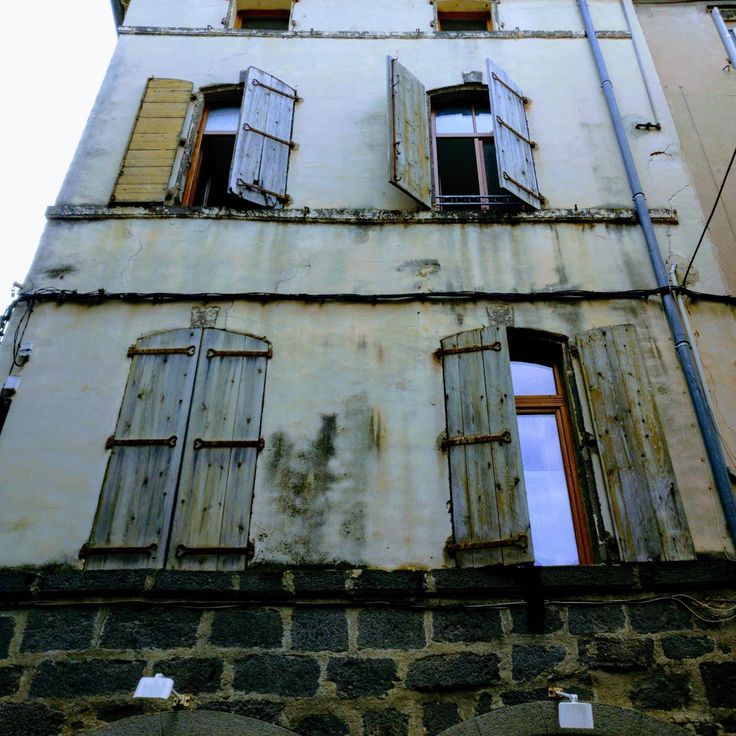
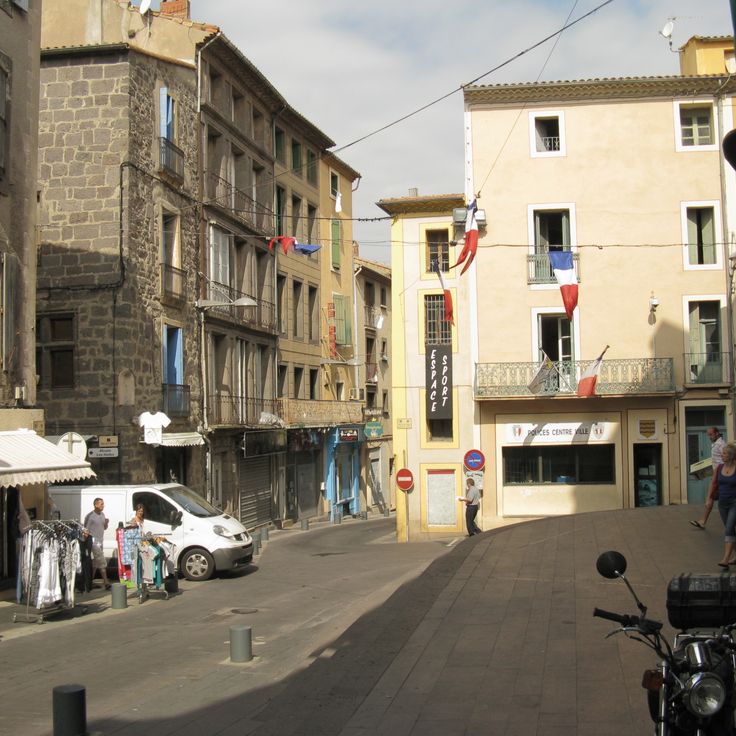
This street in the historical center displays traditional architecture with basalt stone facades and Mediterranean shutters. Jean Roger Street offers photographers geometric compositions through narrow lanes and volcanic building materials characteristic of Agde. The basalt structures create contrasts between dark stone and light window frames, while the street layout provides perspectives for urban photography.
This cathedral, built from black basalt stone in the 12th century, displays Romanesque architecture with fortification elements. The massive bell tower dominates the Agde skyline and provides photographers with a distinctive subject that reflects the maritime history and volcanic geology of the region.
This 12th-century cathedral built from black basalt provides a notable example of Romanesque architecture and stands as a central landmark in the historic core of Agde. The dark facade creates a marked contrast to most sacred buildings in the region and makes it a sought-after subject for photographers documenting the maritime history and volcanic heritage of the town.
This fortress dates from the 16th century and sits 1.6 kilometers (one mile) offshore from Agde. Fort de Brescou served as both a prison and military defense structure. Built on an island, the fortification documents the maritime defense history of the region and provides photographers with compelling subjects from the shore or water.
This water park provides photographers with 14 different slides and pools spread across 10 acres (4 hectares), offering colorful subjects for capturing recreational facilities in Agde. The installations showcase modern water park engineering with twisting tubes, open slides and pool areas that work well for wide-angle shots and detail photography.
This semicircular beach with volcanic sand sits between black basalt cliffs and the Mediterranean Sea, representing one of the most photographed spots in Agde. Plage de la Grande Conque offers photographers and social media users an unusual subject with dark sand of volcanic origin, dramatic rock formations and the contrast between land and sea that reflects the geological history of this Mediterranean coastal area.
This coastal settlement at the mouth of the Hérault River combines maritime heritage with Mediterranean beach culture and offers photographers harbor scenes, fishing boats, sandy shores and the river mouth as subjects. The architecture ranges from traditional fishing houses to modern beachfront buildings, while the waterfront areas provide varied perspectives on water and vessels that complement Agde's broader photographic offerings.
This archaeological museum displays bronze statues and artifacts recovered from the Mediterranean Sea near Agde. Exhibits at Musée de l'Éphèbe document ancient trade routes and Roman seafaring along the coast. Finds include the 4th century BC statue of the Ephebe of Agde, Roman anchors, amphorae and navigation instruments. The museum sits on Mont Saint-Loup overlooking the Hérault River and covers over two thousand years of maritime history in this region.
The Hérault flows through central Agde before reaching the Mediterranean Sea several miles to the east. This photo collection features sections of the riverbank suitable for capturing the river, historic bridges and boats. The waterfront paths offer varied angles of the town and waterway.
This self-contained resort enables clothing-optional living with restaurants, shops and beach access, standing among the most established naturist facilities on the French Mediterranean coast. The village welcomes visitors from April through October and forms a distinct part of Agde's photographic diversity, complementing the black sand beach, Romanesque cathedral and volcanic rock formations of the area.
The aquarium displays Mediterranean fish and tropical species from all oceans. It houses over 30 water tanks containing various marine life and provides photographers with subjects for underwater photography and close-up shots. The Aquarium du Cap d'Agde complements the maritime photo opportunities found throughout the coastal town and expands documentation possibilities of the local marine environment.
This leisure island provides an ensemble of restaurants, shops, and playgrounds spread across five acres (two hectares) of developed space. The Île des Loisirs serves as a central hub for photographers documenting family activities and the busy port environment of Agde. The mix of commercial facilities and recreational areas provides diverse subjects for social media content, particularly during summer months when the grounds fill with visitors.
This beachfront walkway extends 1,640 feet (500 meters) along the Mediterranean coast and gives photographers clear sightlines toward the water, as well as opportunities to capture the beach life of Agde with its cafes and restaurants. The setting at Rochelongue Beach makes it a practical stop for recording the maritime character of the city, both in daylight and during evening hours when the light shifts across the water.
This 370-foot (113-meter) volcanic hill provides panoramic views of the city of Agde, the Mediterranean coastline and the inland plain. Mont Saint-Loup is an extinct Tertiary-era volcano that rises southwest of the harbor and serves as a natural vantage point for photographing the maritime setting and historic town. The summit platform allows views of Cap d'Agde, Fort Brescou and the coastline in both directions.
This beach in Agde borders a pine forest that provides natural shade and creates a contrast with the sandy area. Tamarissière Beach offers a calm setting away from the busier coastal sections and allows photographers to capture the vegetation and shoreline landscape in varying light conditions throughout the day.
This amusement park features various rides and stands with colored lights during evening hours and is part of the diverse photographic subjects in Agde. The lights and activity create opportunities for shots that show the modern leisure aspect of the city, contrasting with the historical sites and natural landscapes that Agde also offers.
These two volcanic rock formations rise from the water and mark the entrance to the bay of Agde, a photographic subject that connects the region's geological history with the city's maritime heritage and offers landscape photographers and social media users interesting perspectives on the Mediterranean coast.
This stone pier extends into the Mediterranean and offers photographers clear views of sunsets over the water and passing vessels. The Môle Saint-Louis serves as a functional harbor structure and viewing point where visitors can observe the Agde coastline and port activities. The exposed position provides unobstructed sight lines to the horizon, while the massive stone blocks of its construction offer foreground interest for maritime compositions.
This 18-hole golf course covers 185 acres (75 hectares) and offers photographers compositions with water hazards, Mediterranean vegetation and fairways. The facility sits near the coast and allows shooting in various light conditions. The course shows the sporting infrastructure of the region and complements the photographic subjects in Agde, which range from volcanic heritage to maritime history.
This 7,500-acre (3,000-hectare) saltwater lagoon supports oyster farming and serves as habitat for flamingos and seabirds. The Thau basin offers opportunities for photographs of maritime aquaculture and birdwatching, complementing Agde's range of photographic subjects with its coastal landscapes.
This casino holds 200 slot machines, roulette and blackjack tables, and a restaurant with Mediterranean views. The facility welcomes visitors aged 18 and older and requires valid photo identification at entry. Cap d'Agde Casino sits directly on the coast and offers views of the Mediterranean from its restaurant, making it a photographic location for shots of the gaming floors and coastal architecture.
These black basalt cliffs formed 750,000 years ago through volcanic activity and represent one of the most distinctive geological formations in Cap d'Agde. The cliffs rise 98 feet (30 meters) above the sea and create a contrast with the surrounding beaches. For photographers, they offer a backdrop of rough texture and angular forms, particularly effective in direct sunlight or during the golden hour. The cliffs document the volcanic history of this coastal region and complement the photographic opportunities that Agde provides through its maritime architecture and black sand beaches.
This historic 19th-century estate represents diverse French architectural styles through its stone reliefs and decorative facade elements, offering photographers in Agde an architectural subject distinct from the volcanic landscapes and maritime settings found elsewhere in town.
This beach extends for 1.2 miles (2 kilometers) along the Agde coastline, combining fine sand with a palm-lined promenade. Plage Richelieu offers one of the most accessible photo spots in the city, suitable for shooting from early morning to late afternoon. The wide sandy strip and maintained waterfront promenade create different perspectives for beach and coastal photography.
This round lock connects the Canal du Midi with the Hérault River and the Canal du Midi maritime. The circular construction from the 17th century allows boats to maneuver between three waterways and proceed in different directions. The lock is a functioning piece of engineering and offers photographers clear sight lines of the mechanics and stone architecture of the basin.
This narrow lane runs through the historic center of Agde and offers traditional stone houses with flower boxes at the windows. The tight passages and Mediterranean architecture create a characteristic frame for capturing the preserved old town. Photographers find here typical elements of urban design that reflect the maritime heritage of the region.
This bronze statue in the port district of Agde attracts photographers and visitors alike, offering compelling subjects for urban photography in a well-frequented public setting near the waterfront.
This 17th century chapel stands in Agde and displays stone carvings on its facade. The grounds include a maintained garden. The religious site offers photographers a combination of baroque architecture and quiet surroundings. The chapel adds to the historic photo subjects of the city with its stonework and natural setting, which differs from the maritime character of the port and the black sand beaches.
This stone bridge spans the Hérault River and links both sides of Agde. From here you can photograph fishing boats and historic buildings along the waterfront, capturing the maritime traditions of the town. The bridge itself provides a solid foreground element with its arches for compositions that incorporate the river and shoreline. Early morning and late afternoon offer soft light for shots of the water reflections and architecture along the river.
The observatory atop Mont Saint-Clair provides views across Agde's harbor, coastline and the Mediterranean Sea. The platform sits approximately 371 feet (113 meters) above sea level and is accessible via a stairway. The location works for wide angle shots of the city and its maritime surroundings.
This cove presents natural stone formations of volcanic origin and direct access to the Mediterranean Sea. The black basalt rocks create contrast with the blue water and provide interesting photographic perspectives. The site demonstrates the geological heritage of Agde and complements the other volcanic features in the collection such as the dark sand beaches and rocky coastline along the shore.
This lighthouse built in 1836 stands on a basalt island offshore and offers photographers a maritime perspective on Agde. The seventeenth century fortification served as a state prison before the lighthouse was erected. The combination of volcanic rock, historic architecture and marine environment makes this location an interesting subject for capturing the city's maritime heritage.
This street in the historical center displays traditional architecture with basalt stone facades and Mediterranean shutters. Jean Roger Street offers photographers geometric compositions through narrow lanes and volcanic building materials characteristic of Agde. The basalt structures create contrasts between dark stone and light window frames, while the street layout provides perspectives for urban photography.
This cathedral, built from black basalt stone in the 12th century, displays Romanesque architecture with fortification elements. The massive bell tower dominates the Agde skyline and provides photographers with a distinctive subject that reflects the maritime history and volcanic geology of the region.
This 12th-century cathedral built from black basalt provides a notable example of Romanesque architecture and stands as a central landmark in the historic core of Agde. The dark facade creates a marked contrast to most sacred buildings in the region and makes it a sought-after subject for photographers documenting the maritime history and volcanic heritage of the town.
This fortress dates from the 16th century and sits 1.6 kilometers (one mile) offshore from Agde. Fort de Brescou served as both a prison and military defense structure. Built on an island, the fortification documents the maritime defense history of the region and provides photographers with compelling subjects from the shore or water.
This water park provides photographers with 14 different slides and pools spread across 10 acres (4 hectares), offering colorful subjects for capturing recreational facilities in Agde. The installations showcase modern water park engineering with twisting tubes, open slides and pool areas that work well for wide-angle shots and detail photography.
This semicircular beach with volcanic sand sits between black basalt cliffs and the Mediterranean Sea, representing one of the most photographed spots in Agde. Plage de la Grande Conque offers photographers and social media users an unusual subject with dark sand of volcanic origin, dramatic rock formations and the contrast between land and sea that reflects the geological history of this Mediterranean coastal area.
This coastal settlement at the mouth of the Hérault River combines maritime heritage with Mediterranean beach culture and offers photographers harbor scenes, fishing boats, sandy shores and the river mouth as subjects. The architecture ranges from traditional fishing houses to modern beachfront buildings, while the waterfront areas provide varied perspectives on water and vessels that complement Agde's broader photographic offerings.
This archaeological museum displays bronze statues and artifacts recovered from the Mediterranean Sea near Agde. Exhibits at Musée de l'Éphèbe document ancient trade routes and Roman seafaring along the coast. Finds include the 4th century BC statue of the Ephebe of Agde, Roman anchors, amphorae and navigation instruments. The museum sits on Mont Saint-Loup overlooking the Hérault River and covers over two thousand years of maritime history in this region.
The Hérault flows through central Agde before reaching the Mediterranean Sea several miles to the east. This photo collection features sections of the riverbank suitable for capturing the river, historic bridges and boats. The waterfront paths offer varied angles of the town and waterway.
This self-contained resort enables clothing-optional living with restaurants, shops and beach access, standing among the most established naturist facilities on the French Mediterranean coast. The village welcomes visitors from April through October and forms a distinct part of Agde's photographic diversity, complementing the black sand beach, Romanesque cathedral and volcanic rock formations of the area.
The aquarium displays Mediterranean fish and tropical species from all oceans. It houses over 30 water tanks containing various marine life and provides photographers with subjects for underwater photography and close-up shots. The Aquarium du Cap d'Agde complements the maritime photo opportunities found throughout the coastal town and expands documentation possibilities of the local marine environment.
This leisure island provides an ensemble of restaurants, shops, and playgrounds spread across five acres (two hectares) of developed space. The Île des Loisirs serves as a central hub for photographers documenting family activities and the busy port environment of Agde. The mix of commercial facilities and recreational areas provides diverse subjects for social media content, particularly during summer months when the grounds fill with visitors.
This beachfront walkway extends 1,640 feet (500 meters) along the Mediterranean coast and gives photographers clear sightlines toward the water, as well as opportunities to capture the beach life of Agde with its cafes and restaurants. The setting at Rochelongue Beach makes it a practical stop for recording the maritime character of the city, both in daylight and during evening hours when the light shifts across the water.
This 370-foot (113-meter) volcanic hill provides panoramic views of the city of Agde, the Mediterranean coastline and the inland plain. Mont Saint-Loup is an extinct Tertiary-era volcano that rises southwest of the harbor and serves as a natural vantage point for photographing the maritime setting and historic town. The summit platform allows views of Cap d'Agde, Fort Brescou and the coastline in both directions.
This beach in Agde borders a pine forest that provides natural shade and creates a contrast with the sandy area. Tamarissière Beach offers a calm setting away from the busier coastal sections and allows photographers to capture the vegetation and shoreline landscape in varying light conditions throughout the day.
This amusement park features various rides and stands with colored lights during evening hours and is part of the diverse photographic subjects in Agde. The lights and activity create opportunities for shots that show the modern leisure aspect of the city, contrasting with the historical sites and natural landscapes that Agde also offers.
These two volcanic rock formations rise from the water and mark the entrance to the bay of Agde, a photographic subject that connects the region's geological history with the city's maritime heritage and offers landscape photographers and social media users interesting perspectives on the Mediterranean coast.
This stone pier extends into the Mediterranean and offers photographers clear views of sunsets over the water and passing vessels. The Môle Saint-Louis serves as a functional harbor structure and viewing point where visitors can observe the Agde coastline and port activities. The exposed position provides unobstructed sight lines to the horizon, while the massive stone blocks of its construction offer foreground interest for maritime compositions.
This 18-hole golf course covers 185 acres (75 hectares) and offers photographers compositions with water hazards, Mediterranean vegetation and fairways. The facility sits near the coast and allows shooting in various light conditions. The course shows the sporting infrastructure of the region and complements the photographic subjects in Agde, which range from volcanic heritage to maritime history.
This 7,500-acre (3,000-hectare) saltwater lagoon supports oyster farming and serves as habitat for flamingos and seabirds. The Thau basin offers opportunities for photographs of maritime aquaculture and birdwatching, complementing Agde's range of photographic subjects with its coastal landscapes.
This casino holds 200 slot machines, roulette and blackjack tables, and a restaurant with Mediterranean views. The facility welcomes visitors aged 18 and older and requires valid photo identification at entry. Cap d'Agde Casino sits directly on the coast and offers views of the Mediterranean from its restaurant, making it a photographic location for shots of the gaming floors and coastal architecture.
These black basalt cliffs formed 750,000 years ago through volcanic activity and represent one of the most distinctive geological formations in Cap d'Agde. The cliffs rise 98 feet (30 meters) above the sea and create a contrast with the surrounding beaches. For photographers, they offer a backdrop of rough texture and angular forms, particularly effective in direct sunlight or during the golden hour. The cliffs document the volcanic history of this coastal region and complement the photographic opportunities that Agde provides through its maritime architecture and black sand beaches.
This historic 19th-century estate represents diverse French architectural styles through its stone reliefs and decorative facade elements, offering photographers in Agde an architectural subject distinct from the volcanic landscapes and maritime settings found elsewhere in town.
This beach extends for 1.2 miles (2 kilometers) along the Agde coastline, combining fine sand with a palm-lined promenade. Plage Richelieu offers one of the most accessible photo spots in the city, suitable for shooting from early morning to late afternoon. The wide sandy strip and maintained waterfront promenade create different perspectives for beach and coastal photography.
This round lock connects the Canal du Midi with the Hérault River and the Canal du Midi maritime. The circular construction from the 17th century allows boats to maneuver between three waterways and proceed in different directions. The lock is a functioning piece of engineering and offers photographers clear sight lines of the mechanics and stone architecture of the basin.
This narrow lane runs through the historic center of Agde and offers traditional stone houses with flower boxes at the windows. The tight passages and Mediterranean architecture create a characteristic frame for capturing the preserved old town. Photographers find here typical elements of urban design that reflect the maritime heritage of the region.
This bronze statue in the port district of Agde attracts photographers and visitors alike, offering compelling subjects for urban photography in a well-frequented public setting near the waterfront.
This 17th century chapel stands in Agde and displays stone carvings on its facade. The grounds include a maintained garden. The religious site offers photographers a combination of baroque architecture and quiet surroundings. The chapel adds to the historic photo subjects of the city with its stonework and natural setting, which differs from the maritime character of the port and the black sand beaches.
This stone bridge spans the Hérault River and links both sides of Agde. From here you can photograph fishing boats and historic buildings along the waterfront, capturing the maritime traditions of the town. The bridge itself provides a solid foreground element with its arches for compositions that incorporate the river and shoreline. Early morning and late afternoon offer soft light for shots of the water reflections and architecture along the river.
The observatory atop Mont Saint-Clair provides views across Agde's harbor, coastline and the Mediterranean Sea. The platform sits approximately 371 feet (113 meters) above sea level and is accessible via a stairway. The location works for wide angle shots of the city and its maritime surroundings.
This cove presents natural stone formations of volcanic origin and direct access to the Mediterranean Sea. The black basalt rocks create contrast with the blue water and provide interesting photographic perspectives. The site demonstrates the geological heritage of Agde and complements the other volcanic features in the collection such as the dark sand beaches and rocky coastline along the shore.
This lighthouse built in 1836 stands on a basalt island offshore and offers photographers a maritime perspective on Agde. The seventeenth century fortification served as a state prison before the lighthouse was erected. The combination of volcanic rock, historic architecture and marine environment makes this location an interesting subject for capturing the city's maritime heritage.
This street in the historical center displays traditional architecture with basalt stone facades and Mediterranean shutters. Jean Roger Street offers photographers geometric compositions through narrow lanes and volcanic building materials characteristic of Agde. The basalt structures create contrasts between dark stone and light window frames, while the street layout provides perspectives for urban photography.
This cathedral, built from black basalt stone in the 12th century, displays Romanesque architecture with fortification elements. The massive bell tower dominates the Agde skyline and provides photographers with a distinctive subject that reflects the maritime history and volcanic geology of the region.