Passage Sainte-Avoie, thoroughfare in Paris, France
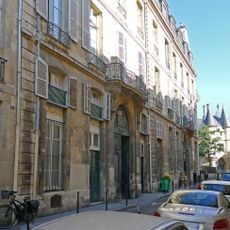
Passage Sainte-Avoie is a private passageway in the 3rd arrondissement of Paris, running from Rue Rambuteau to Rue du Temple. It was opened in 1828 on the site of the former Hôtel de Mesmes and Hôtel d'Angran d'Alleray, and its route follows the line of the medieval wall of Philippe Auguste. The passage is not open to the public.
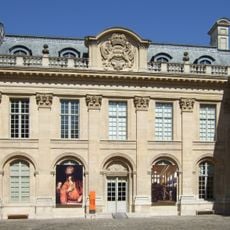
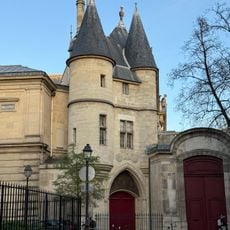
The passageway was created in 1828 along the line of medieval fortifications built by Philippe Auguste that once encircled Paris. The most significant historical remnant is the Hôtel de Mesmes, a royal residence where the famous military leader Anne de Montmorency died in 1567.
The passageway takes its name from a nearby convent of nuns dedicated to Sainte-Avoie, reflecting the area's religious past. It serves as a quiet connector between neighborhood streets, preserving its historical character while remaining part of the daily life of residents and visitors.
Passage Sainte-Avoie is a private passage and is not open to the public, so it cannot be walked through between Rue Rambuteau and Rue du Temple. The nearest metro station is Rambuteau. The passage runs from Rue Rambuteau to Rue du Temple, on the line of the former Philippe Auguste wall.
The passage was opened in 1828 on the site of the hôtels de Mesmes and Angran d'Alleray, not on a medieval route. In December 2024 the urban artist Invader placed his mosaic PA_1528 on the rear facade facing Rue du Temple.
The community of curious travelers
AroundUs brings together thousands of curated places, local tips, and hidden gems, enriched daily by 94,465 contributors worldwide.