Canal de Givors, Historical canal in Givors and Rive-de-Gier, France.
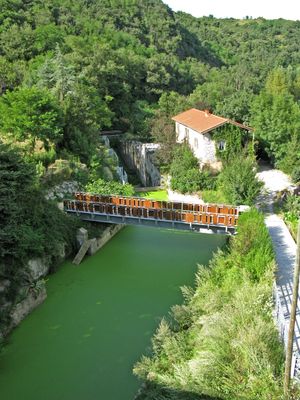
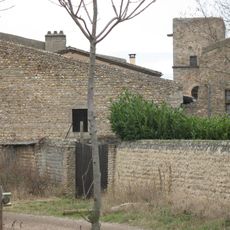
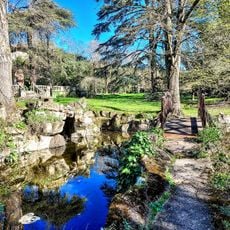
The Canal de Givors ran 15.5 km from Givors on the Rhône to Rive-de-Gier, climbing 85 m through 29 single or double locks, with five aqueducts and the 171 m Rocher Percé tunnel. Most of it was buried under the A47 motorway in 1970; surviving stretches show stone-walled channels, such as one with a grey metal footbridge and a concrete ramp descending to the water.
Construction began in 1763 under the direction of François Zacharie and opened in 1780 as an alternative route for goods transportation. It enabled the movement of coal and glass through the valley, shaping the region's economic development for decades.
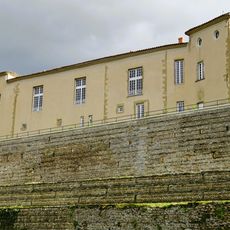
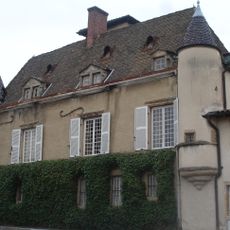
The canal's name survives in local memory as the "canal des deux mers", a plan to link the Loire and the Rhône. Boatmen towed flat barges by hand, taking about 18 hours with two or three men. The Compagnie du canal built its headquarters in Rive-de-Gier from 1792 to 1796; the building, with 36 windows on its main façade, later became the town hall.
The structure is visible at several locations, but much of it now lies beneath the modern motorway, so plan visits to accessible sections. Walking along the exposed segments in the surrounding communes offers the best way to understand what remains of this historic route.
At its 1827 peak the canal carried 332,000 tons, far above the 140,000-ton figure often quoted. Two or three men towed each flat barge the full 15 km in about 18 hours, and in 1751 some 1,200 mules had hauled the same coal before the waterway replaced them.
The community of curious travelers
AroundUs brings together thousands of curated places, local tips, and hidden gems, enriched daily by 92,904 contributors worldwide.