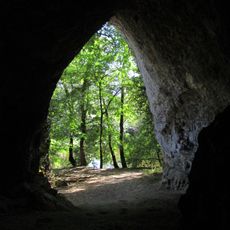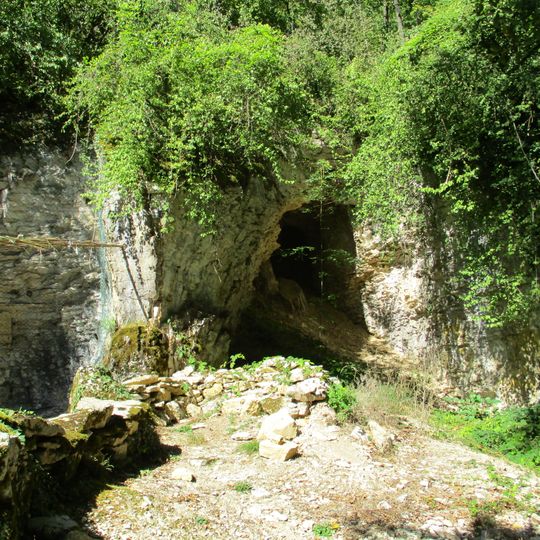
Grotte du Renne, Archaeological cave site in Arcy-sur-Cure, France.
Grotte du Renne is an archaeological cave site near Arcy-sur-Cure with 15 distinct layers spanning approximately 4 meters in depth. Each layer documents different phases of human occupation and is catalogued with Roman numerals from I to XV.
Excavations in the cave led to the discovery of approximately 76 Neanderthal fossils in layer X, dated to around 42,000 years ago. The finds also include Châtelperronian tools, which point to the transition period between Neanderthals and modern humans.
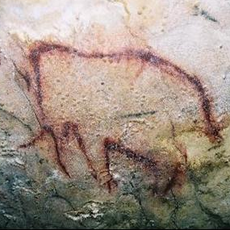
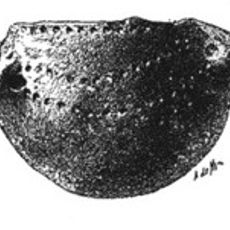
The cave shows traces of both Neanderthals and early modern humans, with layers containing bone tools, ivory pendants, and pierced animal teeth. These finds suggest that different human groups used the site over extended periods.
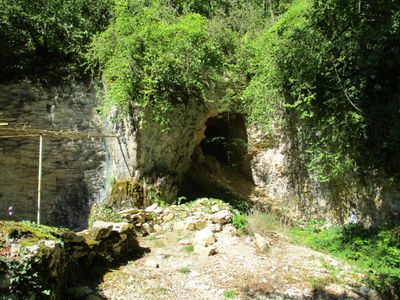
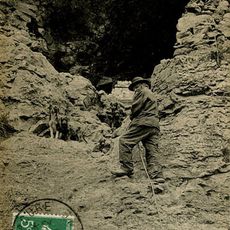
The cave is not open to visitors: part of it was sealed for 50 years to preserve it for future research, and the porch vault has collapsed over about 15 metres. It lies on the left bank of the Cure, roughly 260 m upstream from the Grande Grotte and about ten metres above the present river level. The Schoepflin gallery at the back has a ceiling only 1.50 m high.
In June 2008, a well-preserved right upper jaw of a Neanderthal aged 35 to 40 was found in the collapsed former entrance, with small holes matching carnivore canines, suggesting hyenas consumed the body. Two isolated teeth nearby belonged to a young adult and a child. The French source also mentions a small block of blue pigment, unique among French prehistoric sites.
The community of curious travelers
AroundUs brings together thousands of curated places, local tips, and hidden gems, enriched daily by 92,869 contributors worldwide.