Édifice gallo-romain de Vernou-sur-Brenne, Gallo-Roman building in Vernou-sur-Brenne, France.
The Gallo-Roman building in Vernou-sur-Brenne is a rectangular structure extending from west to east, with limestone walls decorated by alternating layers of bricks and tiles. Its southern wall and remaining arcade can be seen integrated within a modern residential building.
The building dates from the 2nd or 3rd century, when Vernou was a secondary settlement on the great road from Cenabum (Orléans) to Caesarodunum (Tours), shown on the Peutinger Table; a second road along the Brenne branched off here toward Vendôme. Its function is uncertain, perhaps part of public or private baths. It was inscribed as a monument historique on 6 March 1947.
Popular tradition calls the ruin the "palais de Pépin le Bref", a name the sources reject: the building is Gallo-Roman, from the 2nd or 3rd century. In the 19th century Jean-Jacques Bourassé and Arcisse de Caumont first saw a basilica founded by bishop Perpet, mentioned by Gregory of Tours, or a residence of the archbishops of Tours; these attributions are also unfounded.
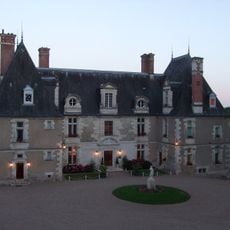
The building is located on Rue Aristide Briand and now forms part of a modern residential complex that allows viewing of the historic remains. It helps to check access times beforehand since it sits within a private residential area.
The building's walls display an unusual craftsmanship with small limestone blocks into which bricks were systematically inserted. This pattern was typical of Roman construction methods of the period and made the structure both stronger and more durable.
The community of curious travelers
AroundUs brings together thousands of curated places, local tips, and hidden gems, enriched daily by 94,460 contributors worldwide.