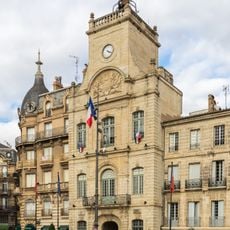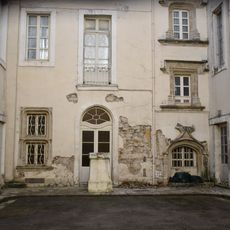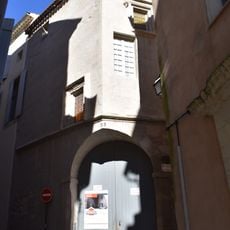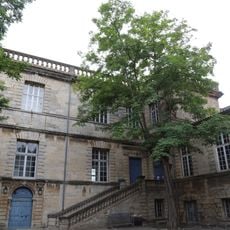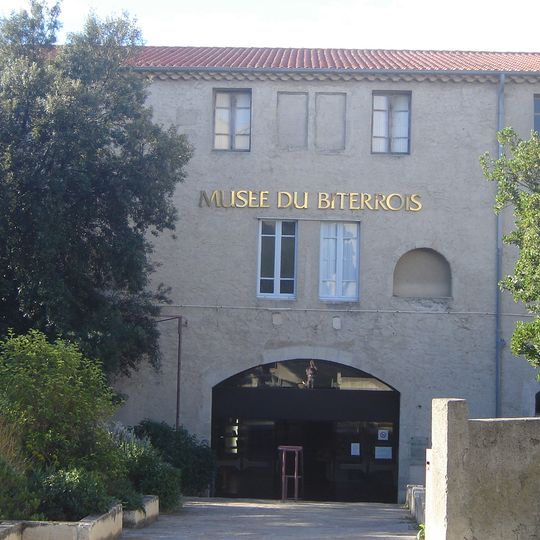
Museum of Biterrois, municipal institution of Béziers (France)
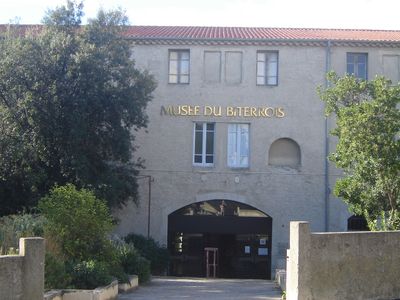
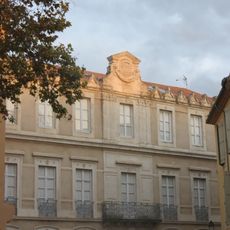
The Musée du Biterrois is a natural history museum housed in a former barracks building from the 18th century, spanning over 3000 square meters with collections focused on archaeology, history, natural history, and ethnology. It displays artifacts from different periods, including silver vessels from the 4th and 5th centuries, furniture, and objects that document daily life across the centuries.
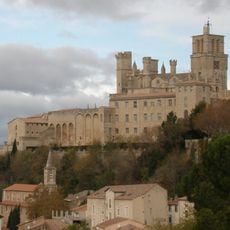
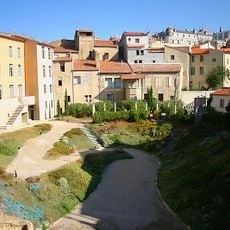
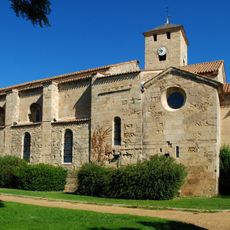
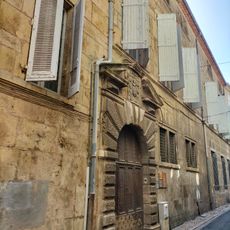
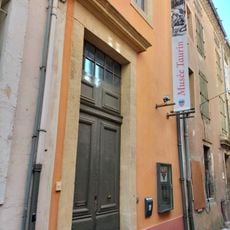
The museum was created in 1834 and occupied more than 3,000 m² of a barracks built in 1702 by d'Aviler, the King's architect, in the Saint-Jacques district. Its collections grew through donations from the Archaeological Society, the Society for the Study of Natural Sciences and the Society of Old Biterrois. It is now permanently closed to the public, and its collections are to join the future Musée d'art et d'histoire de Béziers in the former bishops' palace, planned to open in 2025.
The museum is named after the Biterrois, the historical region surrounding Béziers. Its collections reveal how wine production, fishing, and craftsmanship shaped local identity, displayed through ancient amphorae and everyday objects that reflect the community's relationship with land and sea.
The museum is permanently closed to the public, so there are no visiting hours to plan around. Its collections are to be transferred to the future Musée d'art et d'histoire de Béziers, being installed in the former Palais des évêques with an opening planned for 2025. The building itself stands in the Saint-Jacques district, in a barracks dating from 1702.
The museum preserves a remarkable collection of amphorae that reveal how ancient Romans imported and distributed wine from this region across their empire. These vessels tell the story of how Béziers became a major wine production center.
The community of curious travelers
AroundUs brings together thousands of curated places, local tips, and hidden gems, enriched daily by 94,043 contributors worldwide.