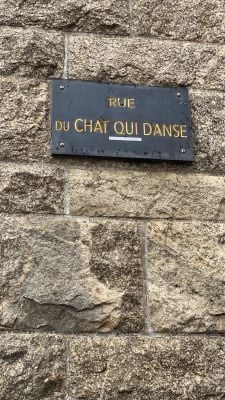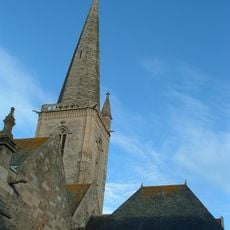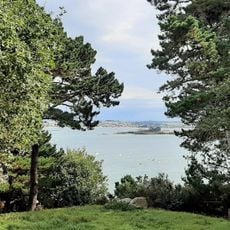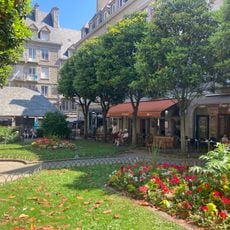
Rue du Chat-qui-Danse, street in Saint-Malo, France
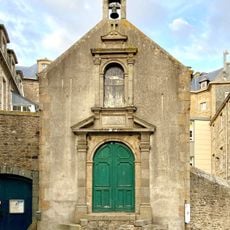
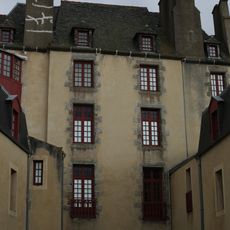
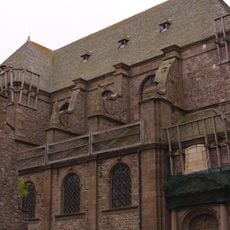
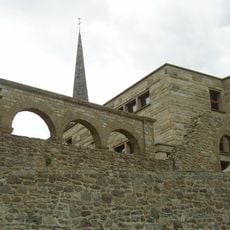
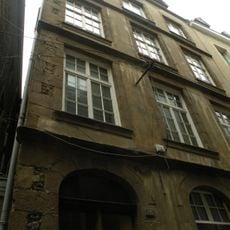
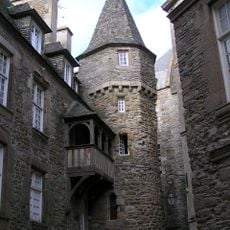
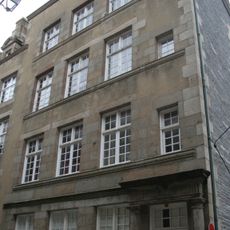
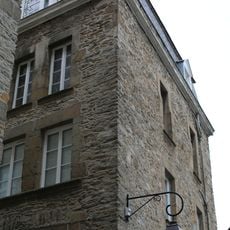
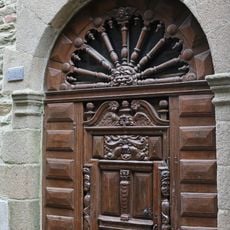
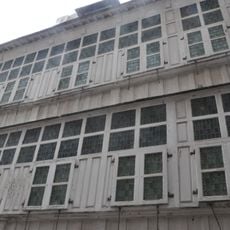
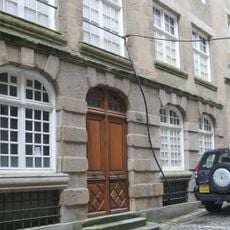
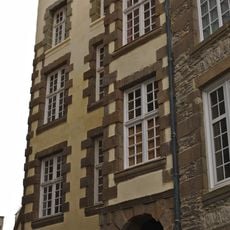
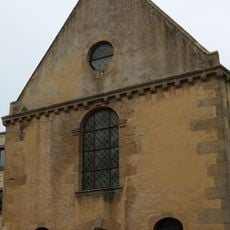
Rue du Chat-qui-Danse is a small street in the heart of Saint-Malo's old town, lined with stone buildings that feature aged facades and small windows. The narrow passage serves mainly pedestrians, with shutters in soft colors and sturdy wooden doors framing the properties along its length.
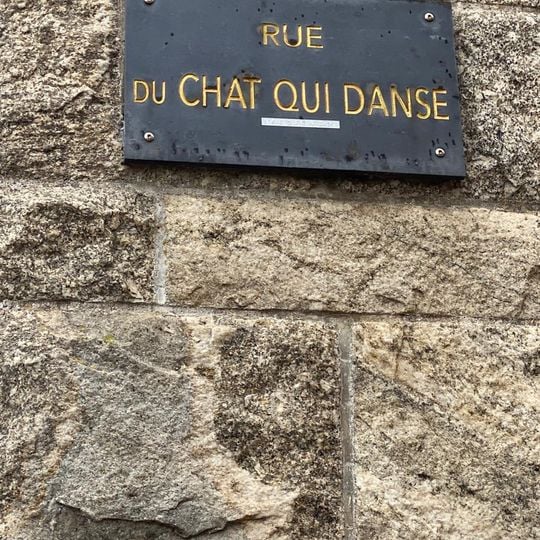
The street was first called rue de Bel-Air, then rue de la Carmagnole in 1794 and rue de la Prison. Its current name comes from a local legend: in 1693 an English fireship aimed at the Bidouane tower gunpowder magazine ran aground and exploded, killing only a cat. Urban odonymy suggests the street was a dead end before the 1944 destruction.
The name comes from a local legend: in 1693 an English fireship aimed at the Bidouane tower powder magazine ran aground and exploded, killing only a cat. Malouins mocked the English by naming this street by the ramparts after it. The street was earlier called rue de Bel-Air, rue de la Carmagnole in 1794, then rue de la Prison.
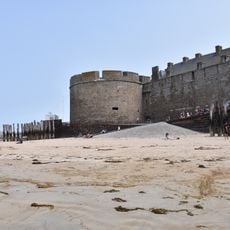
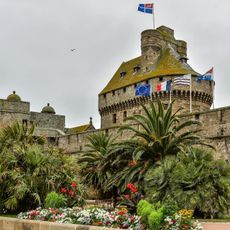
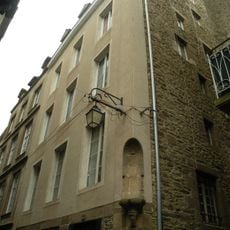
The street runs behind Saint-Malo's northern ramparts, so it is reached on foot from the Intra Muros lanes rather than by car. Look for the round stone tower with its black bracket and octagonal lantern at the narrow end, and the two small plaques set into the pale rendered wall opposite.
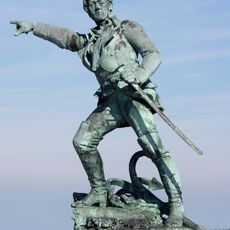
Local tradition holds that corsair Robert Surcouf was born in 1773 at the Hôtel de la Bertaudière, number 2 on this street, though historians also cite Rue du Pélicot further east. The claim rests on tradition rather than certain record.
The community of curious travelers
AroundUs brings together thousands of curated places, local tips, and hidden gems, enriched daily by 94,209 contributors worldwide.