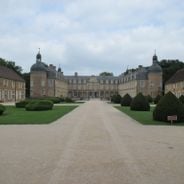
Bibracte museum, Archaeological museum at Mount Beuvray, France.
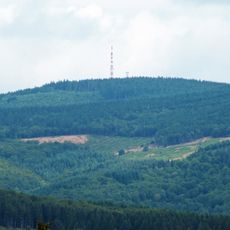
Bibracte museum sits at the summit of Mount Beuvray in Burgundy and displays discoveries from excavations of an ancient Gallic capital city. The collections include pottery, coins, weapons, and household items that document life in this major ancient settlement.
The oppidum on Mont Beuvray was abandoned after the Roman conquest, when the population moved to Augustodunum (Autun). Excavations began in 1867 under Jacques-Gabriel Bulliot, who identified the site as Bibracte, the Aeduan capital where Vercingetorix was proclaimed leader in 52 BC. The museum opened in 1995, designed by Pierre-Louis Faloci.
The museum's upper gallery traces the growth of Iron Age towns across Europe, ending with the network of oppida, using films, animations, models and finds to present Celtic and Gallic civilisation. On the ground floor, coins and pottery from the Bibracte excavations are displayed, following the oppidum on Mont Beuvray from its rise to its decline.
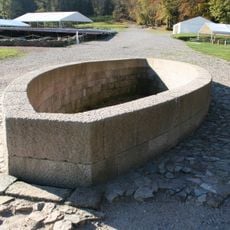
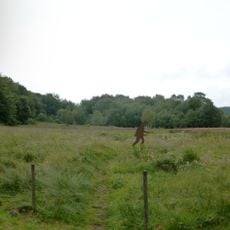
Access to the museum and excavation sites is available during warmer months, and marked trails lead across the hillside to various archaeological locations. Wearing sturdy footwear is advisable, and visitors should allow time to explore the outdoor areas since the summit can be windy and exposed.
The museum opened in 1995, inaugurated by François Mitterrand as one of the Grands Travaux, and its building was designed by Pierre-Louis Faloci in concrete, wood, glass, metal and natural stone. Visitors can see the name "BIBRACTE" inscribed on a grey concrete wall near the display cases.
The community of curious travelers
AroundUs brings together thousands of curated places, local tips, and hidden gems, enriched daily by 93,098 contributors worldwide.