Rideaux cave, Cave and prehistoric site in Haute-Garonne (France)
The Rideaux cave is a rock shelter nestled within the Save river gorges in Lespugue, France, hidden among high gray limestone cliffs. The narrow entrance leads into a quiet space with uneven floors and rough walls, where archaeological layers reveal flint tools, bones, and artifacts spanning multiple periods.
The cave was used by early humans over hundreds of thousands of years, with evidence reaching back roughly 300,000 years, and was archaeologically excavated between 1911 and 1914. Digging revealed tools, animal bones, and other objects showing that different cultures from the Ice Age through the Roman era inhabited this location.
The cave served as an important shelter for early humans and reveals through its gorge location how inhabitants skillfully adapted to their surroundings. The rough stone walls and narrow opening provided natural protection from weather, explaining why this spot was valued across millennia.
The cave entrance lies about 15 minutes walk from Lespugue village and is marked by a small sign on the right side of the road through the gorges. Visitors should watch their footing on uneven ground, as there are no official trails or safety barriers, and it is recommended to go with someone familiar with the area.
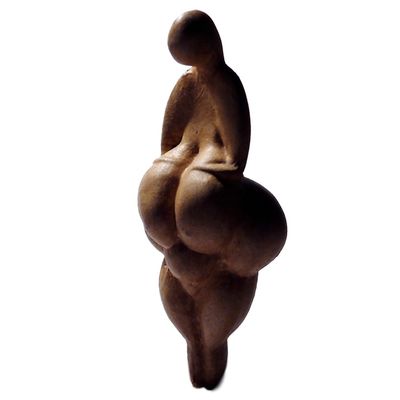
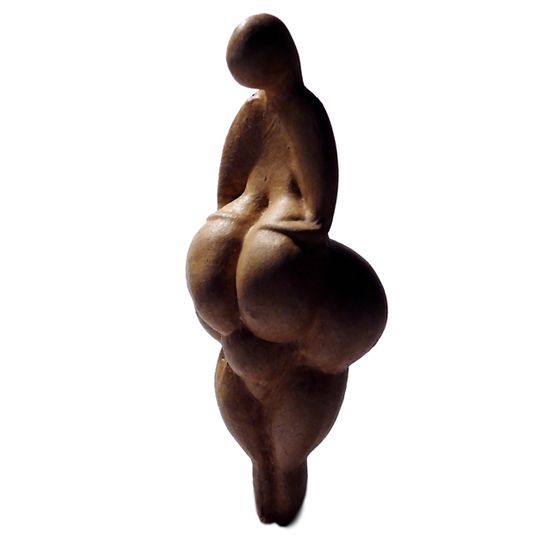
The site yielded the Venus of Lespugue in 1922, a 6 centimeter-tall ivory figurine with exaggerated female features dating to about 23,000 years ago. This rare piece from the Gravettian period may have served ritual or fertility purposes and is now housed in the Paris Museum of Anthropology.
The community of curious travelers
AroundUs brings together thousands of curated places, local tips, and hidden gems, enriched daily by 92,538 contributors worldwide.