Shoreti monastery, Medieval monastery in Samtskhe-Javakheti, Georgia.
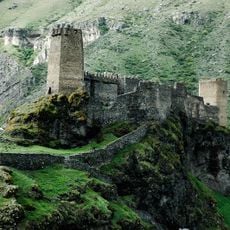
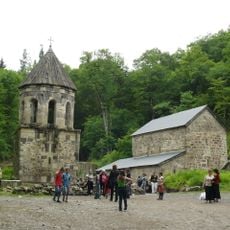
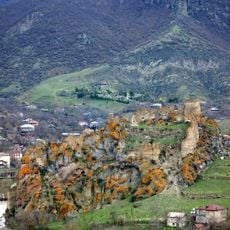
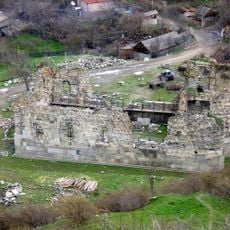
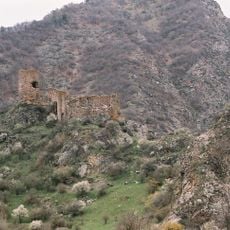
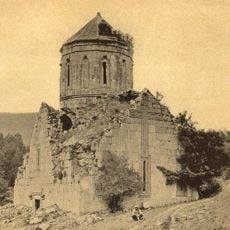
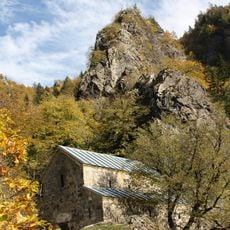
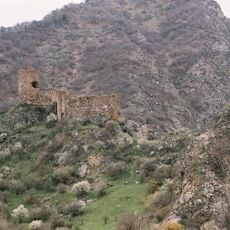
Shoreti monastery is a medieval complex in the mountains of Samtskhe-Javakheti, comprising a two-nave basilica, bell tower, scriptorium, fortress, chapel, and rock-cut cells carved into the hillside. The structures are distributed across different levels following the natural terrain.
The primary structures were built between the 6th and 15th centuries in different phases, with major restoration work completed in 2018. This comprehensive stabilization ensured the buildings would survive for future generations.
The monastery's original name, Shorota, appears in 13th–14th-century margin notes of the Vani Gospels and in an Ottoman fiscal document of 1595. Prince Vakhushti in 1745 wrongly called it Shorapani, and the French scholar Marie-Félicité Brosset, visiting in the winter of 1849, recorded it as "Choloth". The name Shoreti was popularized by historian Ekvtime Taqaishvili, who explored the half-ruined complex in 1902.
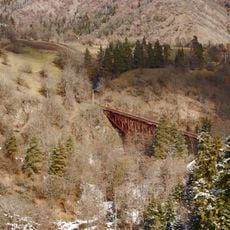
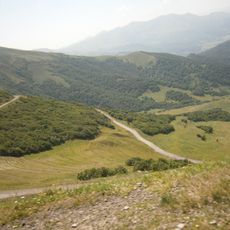
The monastery sits about 6 kilometers northeast of Ota village and is accessed via a hiking trail through the rocky Aspindzis-Khevi ravine. The route requires suitable gear and walking time, so bring adequate water and supplies.
The monastery's original name was Shorota, recorded in 13th–14th-century margin notes of the Vani Gospels and in an Ottoman fiscal document of 1595. Prince Vakhushti in 1745 wrongly called the abandoned site Shorapani, and Brosset's 1849 guide gave the alternative name Taïdj. The form Shoreti was popularized by historian Ekvtime Taqaishvili, who explored the half-ruined complex in 1902.
The community of curious travelers
AroundUs brings together thousands of curated places, local tips, and hidden gems, enriched daily by 94,386 contributors worldwide.