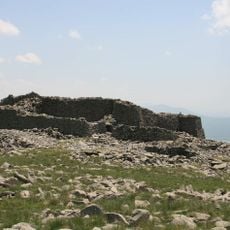
Didi Abuli, Mountain summit in Lesser Caucasus, Georgia.
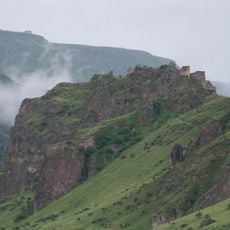
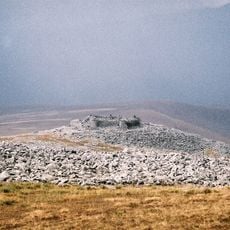
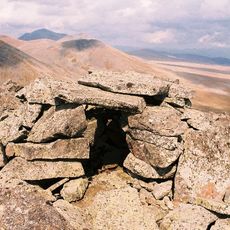
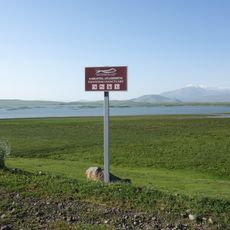
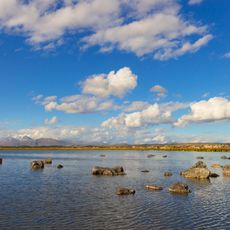
Didi Abuli is a 3,301-metre extinct volcano on the Samsari Range in Georgia's Samtskhe-Javakheti region, within Akhalkalaki Municipality. It is built mainly of Neogene hyalodacites, and its cone has lost its regular shape through age and height. Ancient glacial cirques with moraine ridges and small lakes cut its slopes, most of which are covered by alpine meadows.
The mountain formed as a stratovolcano in the Abul-Samsari Range and contributed to the geological development of the Caucasus through volcanic activity. This volcanic origin continues to shape the structure and appearance of the ridge today.
The Georgian name Didi Abuli means "Great Abuli"; the Russian article also records the Western Armenian form Apul (Ապուլ). The mountain is often named together with its neighbour Patara Abuli (Little Abuli) as simply Abuli, and the pair appears under that single name in the Brockhaus and Efron dictionary of 1890.
The climb follows a roughly 16-kilometer round-trip trail from Abuli village and is best done during the warmer months. The best season runs from June through October, when snow melts and paths become accessible.
The mountain is also called Abul when mentioned together with nearby Patara Abuli. Its cone has lost its regular shape over time, and its slopes hold ancient glacial cirques with moraine ridges and small lakes.
The community of curious travelers
AroundUs brings together thousands of curated places, local tips, and hidden gems, enriched daily by 94,389 contributors worldwide.