Eastern Settlement, Area of Norse Greenland
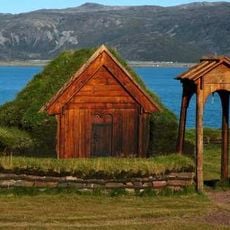
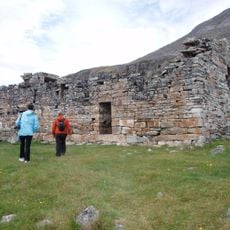
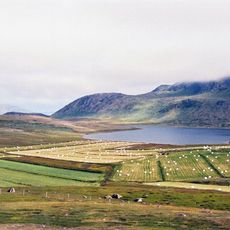
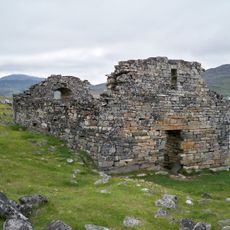
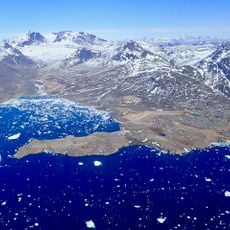
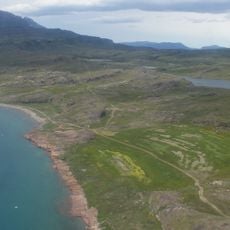
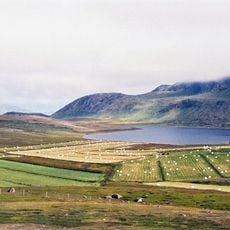
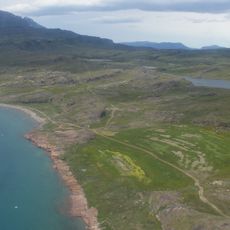
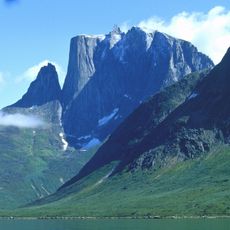
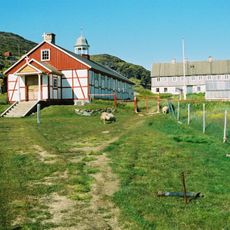
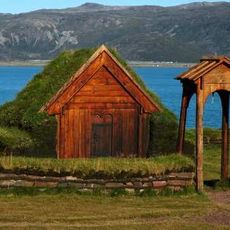
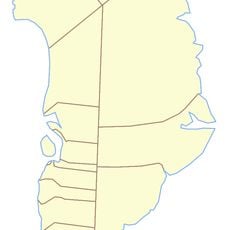
The Eastern Settlement is a medieval Norse community in South Greenland, located near fjords in the Kujalleq region, where thousands once lived from around 985 until the early 1400s. The site contains approximately 500 groups of ruins from farmhouses, churches, and dwellings built from stone and turf that remain visible across the tundra landscape today.
Founded around 985 by Erik the Red, the settlement grew into a thriving Norse community for over 400 years, supporting thousands of inhabitants through farming, livestock raising, and seal hunting. Beginning in the 14th century, deteriorating climate conditions, declining trade in walrus ivory, and loss of contact with Europe made survival increasingly difficult, leading to the settlement's abandonment by the early 1400s.
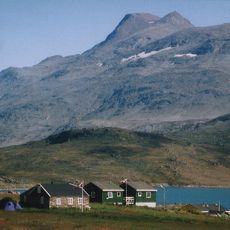
The ruins are spread across a large area with uneven terrain, so sturdy footwear and caution are essential, especially when the ground is wet or slippery. Visits are best made with a local guide who can help identify individual ruins and explain what you are seeing.
Local legend tells of the inhabitants vanishing after an alleged attack by Inuit warriors disguised as icebergs, yet archaeologists find no evidence of fire to support this account. The last documented event was a wedding at Hvalsey Church in 1408, after which the settlement seems to have been gradually abandoned, likely due to climate change and economic hardship rather than sudden catastrophe.
The community of curious travelers
AroundUs brings together thousands of curated places, local tips, and hidden gems, enriched daily by 92,705 contributors worldwide.