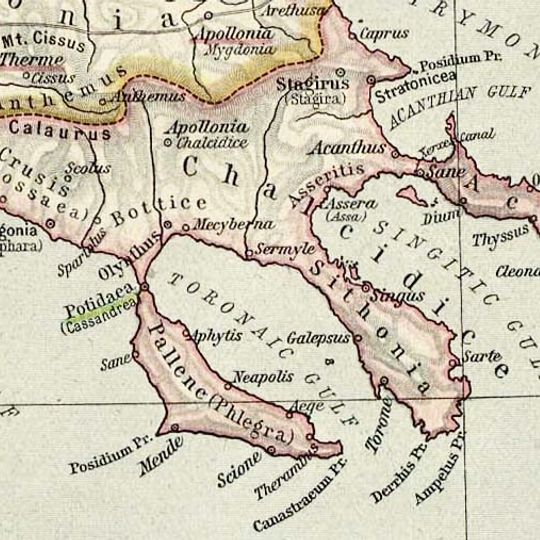
Potidaea, ancient city of Chalcidice
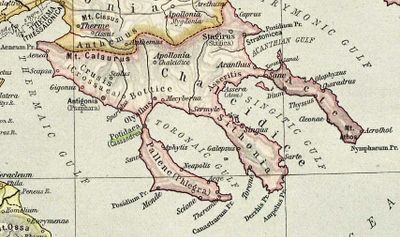
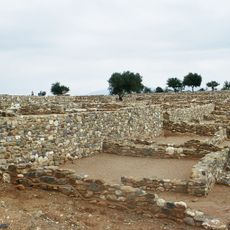
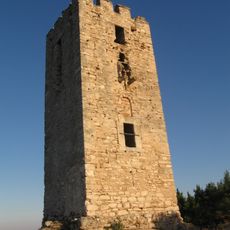
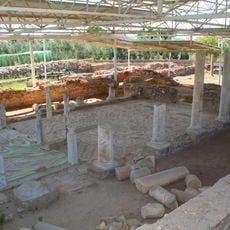
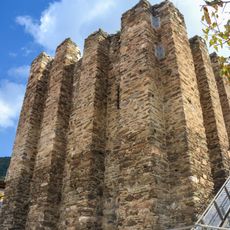
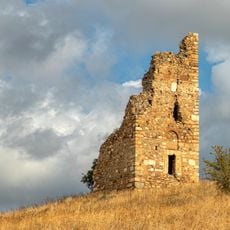
Potidaea is an ancient city on a narrow strip of land in Chalcidice, northern Greece, founded around 600 BC by Corinthian settlers. The settlement spread across an isthmus between two gulfs and featured two harbors, a canal connecting them, a marketplace called the agora, and stone fortification walls whose remains are still visible today.
Potidaea was founded around 600 BC by Corinthian colonists and grew into an important trading center before experiencing a siege during the Persian invasion in 479 BC, when according to tradition a tsunami drowned many Persian soldiers. Later the Athenians besieged it in 432 BC, and after its destruction King Cassander refounded it around 316 BC as Cassandreia, after which it flourished again under Macedonian and later Roman rule.
Potidaea was founded by Corinthian settlers who brought their religious customs and trade practices to this location. The city minted coins bearing the winged horse Pegasus, a symbol of its mythological heritage and role as a significant commercial hub.
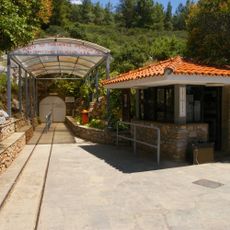
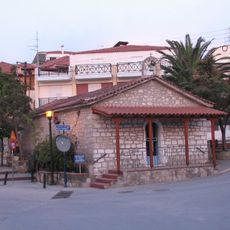
The site is located near the modern village of Nea Potidaea on a narrow strip of land where you can walk along the remains of ancient walls and explore the flat terrain. The location is easily accessible on foot, and the proximity to two shorelines offers views across both sides of the isthmus.
According to local tradition, the city was saved in 479 BC during a Persian attack by a tsunami that drowned numerous Persian soldiers. Geological evidence of sediment deposits at the site actually confirms ancient tsunamis, making this one of the earliest recorded tidal waves in history.
The community of curious travelers
AroundUs brings together thousands of curated places, local tips, and hidden gems, enriched daily by 91,520 contributors worldwide.