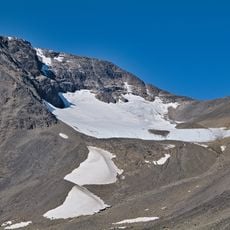
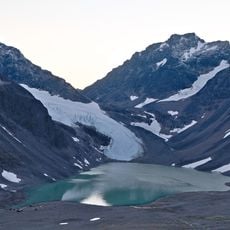
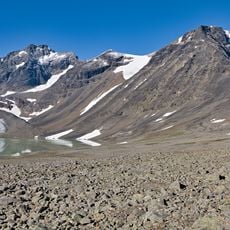
Sápmi, Cultural region in Northern Scandinavia, Norway.
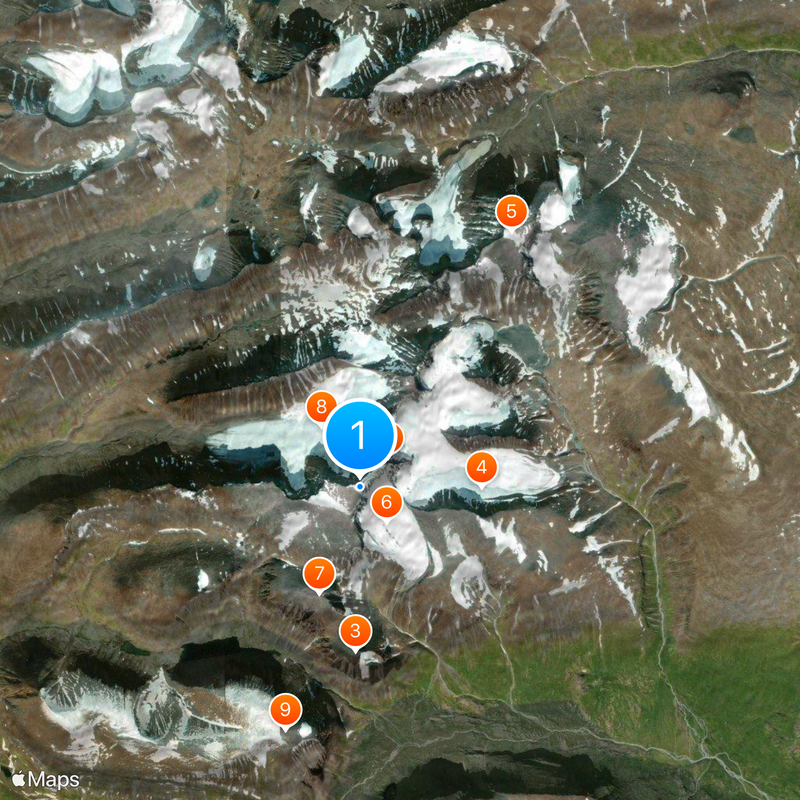
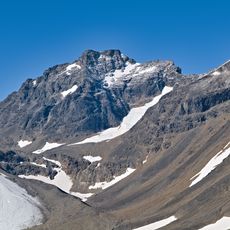
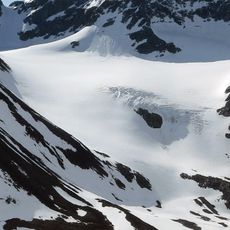
Sápmi is a cultural region spanning areas in Norway, Sweden, Finland, and Russia, inhabited by the Sami people. The territory extends from the coasts of the North Atlantic to the Kola Peninsula, crossed by forests, bogs, and open plateaus.
The first inhabitants settled in these northern areas several thousand years ago, following reindeer herds. Border conflicts intensified during the 17th and 18th centuries as Scandinavian kingdoms expanded their control northward.
The Sami language lives on in several dialects across the four countries, visible in public institutions and signage. Visitors notice bilingual signs, place names in Sami script, and the gákti, traditional dress worn during festivals.
The area is best accessed between May and September when roads are passable and daylight is long. Travelers should prepare for remote routes, long distances between settlements, and limited access to services.
The joik, a traditional vocal style without words, serves to evoke and honor people, places, or animals. Each joik is singular and carries the identity of what it evokes.
The community of curious travelers
AroundUs brings together thousands of curated places, local tips, and hidden gems, enriched daily by 92,676 contributors worldwide.