Karelia, Historical region between Finland and Russia
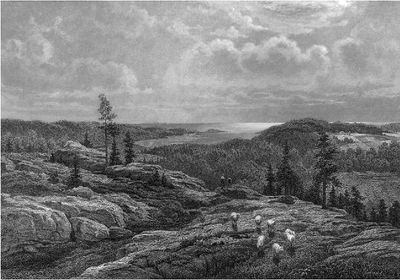
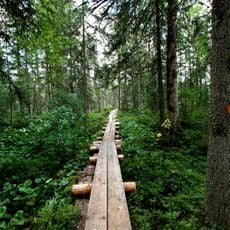
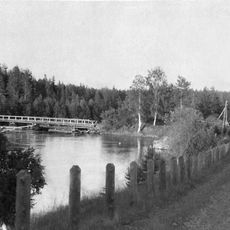
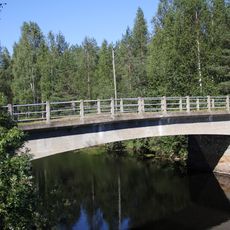
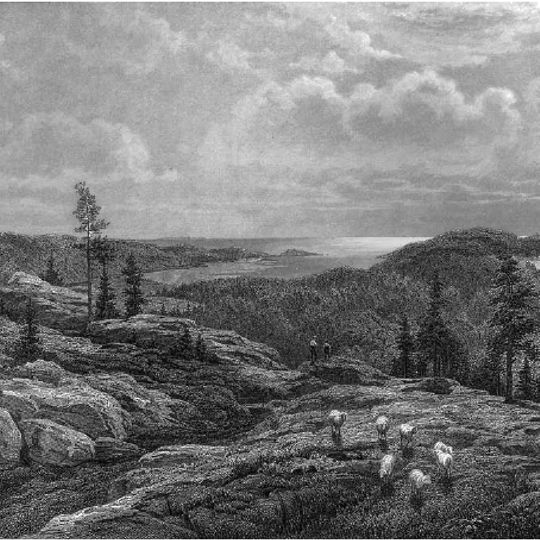
Karelia is a historical region between Finland and Russia stretching from the White Sea to the Gulf of Finland. Large lakes such as Ladoga and Onega punctuate the landscape, surrounded by expansive coniferous forests and interconnected rivers.
In the 14th century, the Treaty of Nöteborg officially divided the territory for the first time between Swedish and Novgorodian rulers. Subsequent wars between Sweden, Russia, and Finland repeatedly altered the border until it reached its current division between Finland and Russia.
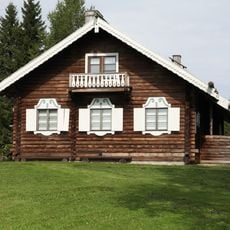
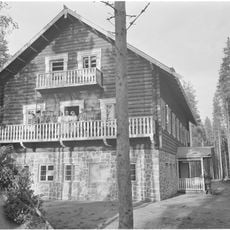
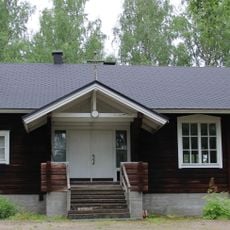
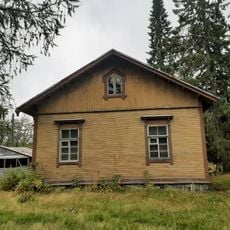
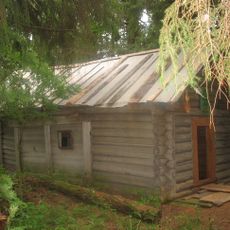
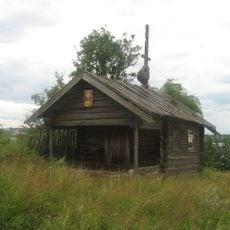
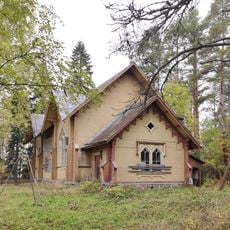
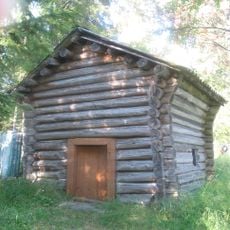
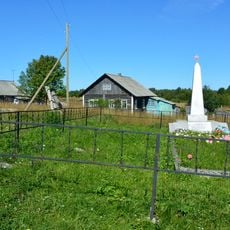
The name Karelia comes from the Finno-Ugric inhabitants whose descendants still live in villages on both sides of the border today. Timber construction continues to shape the architecture of many houses and public buildings, recalling the traditions of this forested region.
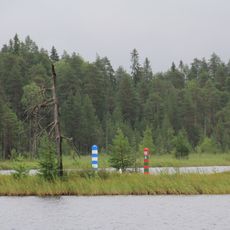
On the Russian side, railway lines connect major towns to Saint Petersburg and Moscow, while Finnish roads run alongside the lakes. Travelers crossing between the two countries should note the border stations, mainly at Vaalimaa and Niirala.
On the island of Kizhi in Lake Onega stand wooden churches from the 18th century constructed without a single nail. Carpenters at the time used refined techniques to join the beams purely by precise cutting.
The community of curious travelers
AroundUs brings together thousands of curated places, local tips, and hidden gems, enriched daily by 91,799 contributors worldwide.