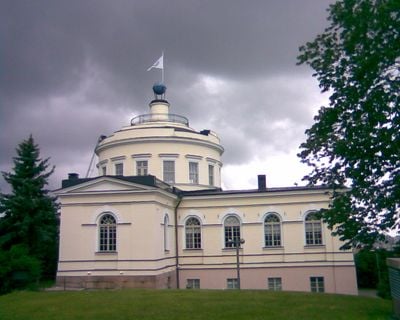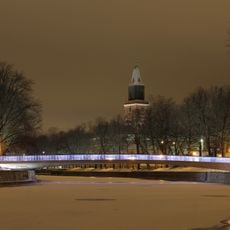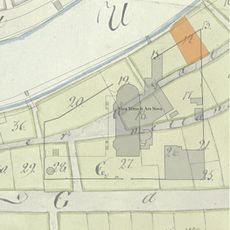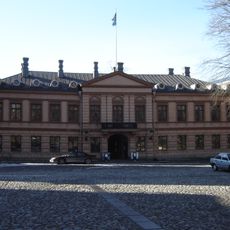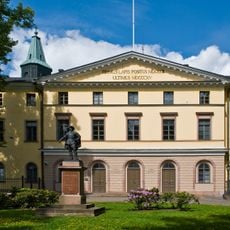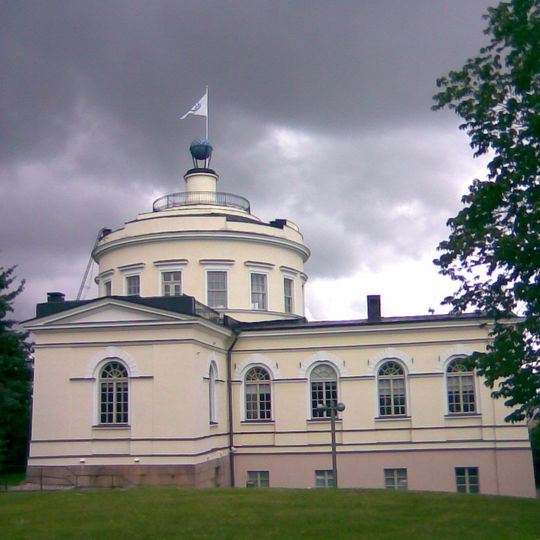
Vartiovuori Observatory, Neoclassical observatory on Vartiovuori hill, Turku, Finland.
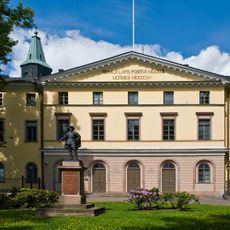
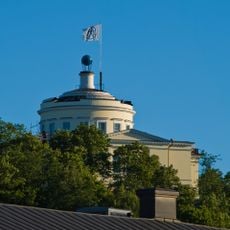
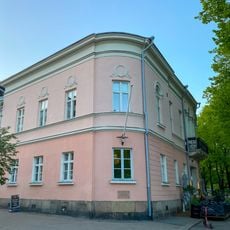
The Vartiovuori Observatory is a Neoclassical structure in Turku featuring a round observation tower and a south-facing rotunda with white-painted walls. Its symmetrical design and formal proportions reflect the classical building standards of early 19th-century scientific institutions.
Architect Carl Ludvig Engel designed and completed the structure in 1819 to serve the Royal Academy of Turku, though its astronomical operations relocated to Helsinki in 1836. This move reflected shifting priorities in Finnish scientific institutions during the 19th century.
The structure embodies Finland's early scientific ambitions and represents a time when observation and discovery shaped the city's intellectual life. Visitors today can sense the connection to the scholars who once worked here, making it a tangible link to the nation's scientific roots.
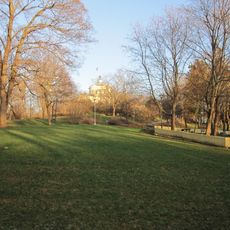
The building sits prominently on Vartiovuori hill and remains visible from many points throughout central Turku, making it easy to locate and approach. Its elevated position offers good views of the surroundings and pedestrian access to the site.
The building survived the Great Fire of Turku in 1827 thanks to deliberate efforts by the observatory director Friedrich Argelander and a caretaker who worked to protect it from the spreading flames. This remarkable survival demonstrates how valued the structure was even in its early years.
The community of curious travelers
AroundUs brings together thousands of curated places, local tips, and hidden gems, enriched daily by 92,121 contributors worldwide.