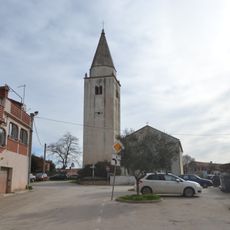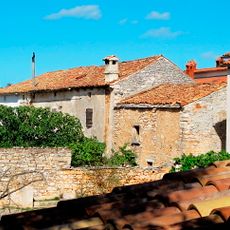
Nesactium, Archaeological site in Ližnjan, Croatia
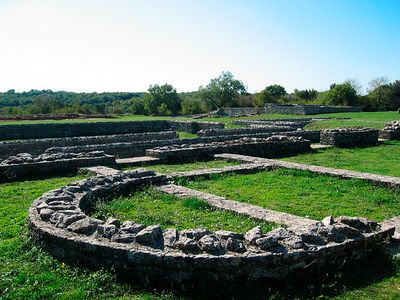
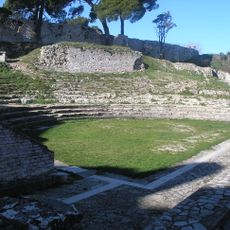
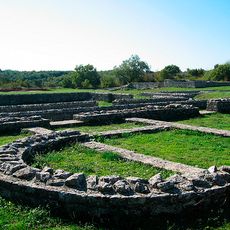
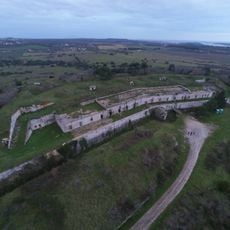
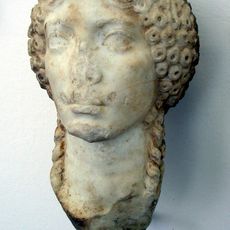
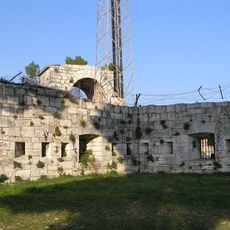
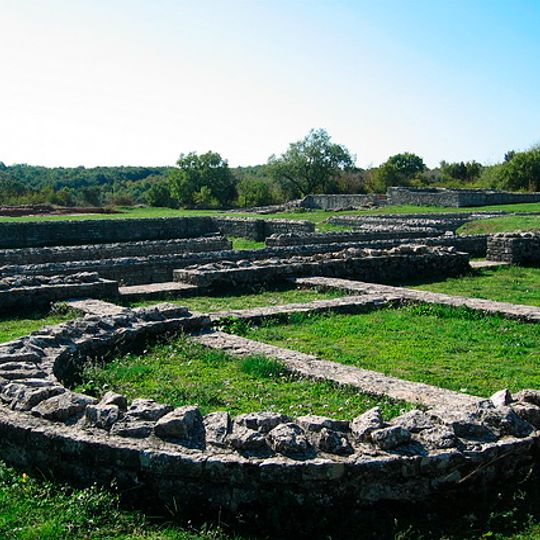
Nesactium is an archaeological site located on a hilltop between Muntić and Valtura villages in southern Istrian peninsula. The settlement remains show structures, tools, and pottery from different periods of ancient habitation, with finds now split between the local site and the Archaeological Museum in Pula.
This fortified settlement served as a major center for the Histri tribe who inhabited this Adriatic region. Roman conquest came in 177 BC when King Epulon fell, ending tribal independence and marking the transition to Roman control.
The excavated necropolis contains ceramic urns and burial offerings dating from the 11th century BC, revealing connections with Greek and Mediterranean civilizations.
The site sits on an open hillside with exposed archaeological remains, so wear comfortable shoes and bring sun protection. A small museum on the grounds provides additional context, while major discoveries are displayed in Pula's collections.
Two stone sculptures discovered at the site depict fertility deities and warrior figures from the pre-Roman period. These rare examples of local artistic expression reveal how the inhabitants understood their spiritual world.
The community of curious travelers
AroundUs brings together thousands of curated places, local tips, and hidden gems, enriched daily by 92,647 contributors worldwide.