Pula Arena

Log in to your account

AroundUs is a community-driven map of interesting places, built by curious explorers like you. It grows with every review, story, and photo you share.
Connect to save your favorite spots, contribute locations, and create personalized routes.
By continuing, you accept our Terms and Conditions and our Privacy Policy
Add to collection
Map
Suggest a change
Share

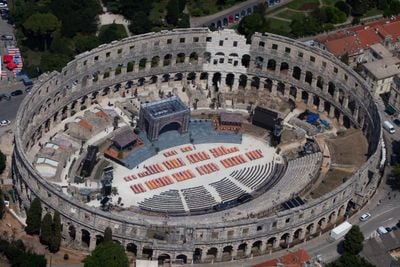
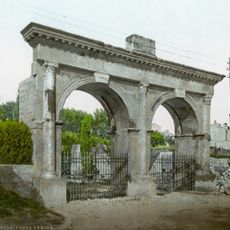
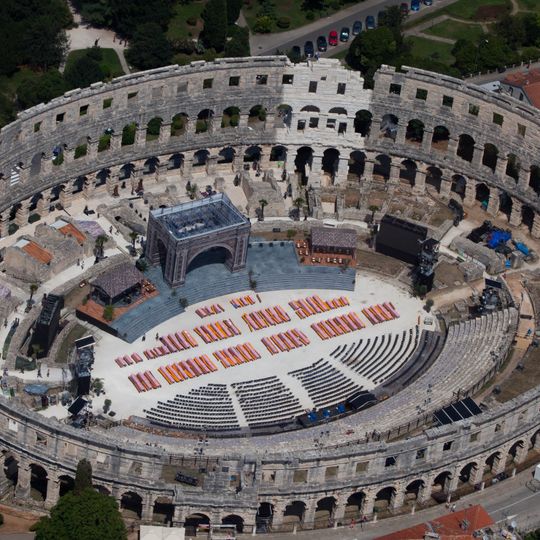
Pula Arena, Roman amphitheatre in Pula, Croatia

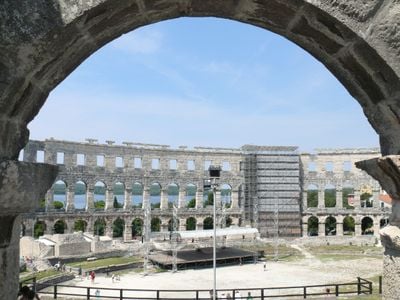
The Pula amphitheatre stands in the center of the city and consists of large limestone blocks forming three stories high on the sea side and two stories on the other sides. The lower levels show 72 arches, while the upper level has 64 rectangular openings through which light falls into the passages.

Construction began under Emperor Augustus in 27 BC initially as a timber structure and was converted into stone under Emperor Claudius. The building received its final form under Emperor Vespasian in 79 AD, who also commissioned the Colosseum in Rome.

The name Arena comes from the Latin word for sand, which once covered the fighting ground to absorb the blood of gladiators. Today the tiers fill with audiences during summer months who come here for opera performances, rock concerts and open-air film screenings.

The site is accessible year-round and allows visitors to walk through the passages and climb the tiers to enjoy views of the city and sea. Those coming for events should arrive early as concerts and performances draw large crowds and the pathways fill up quickly.

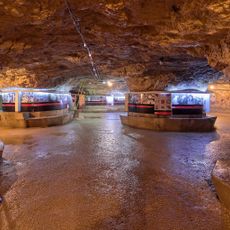
In 1583 the Venetian Senate planned to dismantle the entire structure and transport it to Venice, but local opposition prevented this plan. Below the seating rows are chambers that now display exhibitions about regional wine production and olive oil extraction.

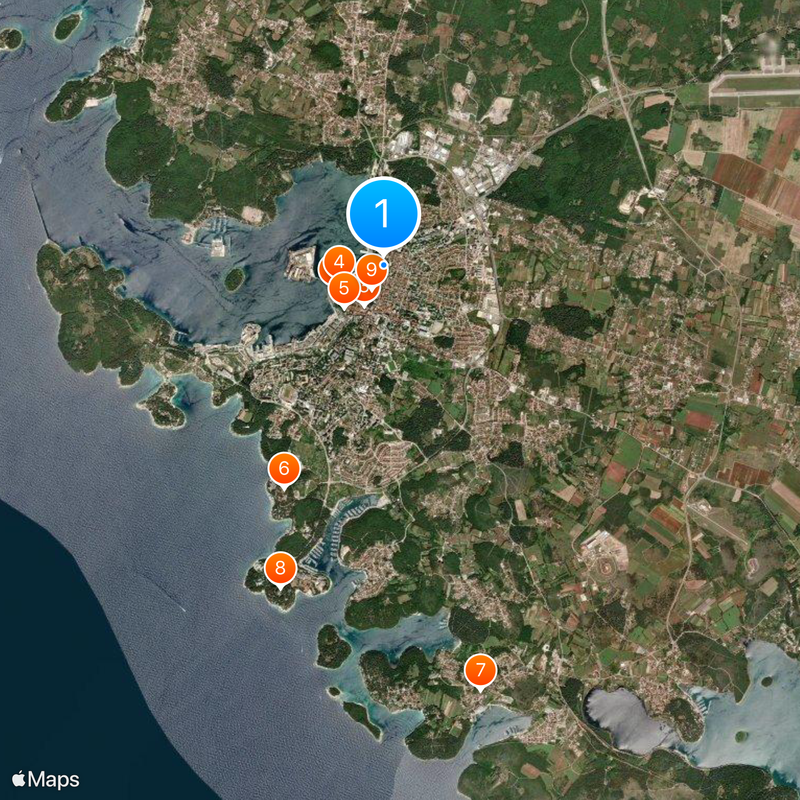
Location: Pula

Inception: 27 BCE

GPS coordinates: 44.87300,13.85000

Latest update: December 4, 2025 23:04

Undiscovered crypts and catacombs in Europe

European crypts and catacombs form a network of underground burial chambers beneath urban streets. These spaces house tombs, skeletal remains, and religious monuments from different historical periods. The chambers contain frescoes, mosaics, stone carvings and architectural elements that combine Roman, Egyptian and Christian designs. The structures reveal burial customs and religious practices from the 1st through 19th centuries.

Reviews

Visited this place? Tap the stars to rate it and share your experience / photos with the community! Try now! You can cancel it anytime.

« Pula Arena - Roman amphitheatre in Pula, Croatia » is provided by Around Us (aroundus.com). Images and texts are derived from Wikimedia project under a Creative Commons license. You are allowed to copy, distribute, and modify copies of this page, under the conditions set by the license, as long as this note is clearly visible.

Discover hidden gems everywhere you go!

From secret cafés to breathtaking viewpoints, skip the crowded tourist spots and find places that match your style. Our app makes it easy with voice search, smart filtering, route optimization, and insider tips from travelers worldwide. Download now for the complete mobile experience.

Around Us App Screenshot

A unique approach to discovering new places

Le Figaro

All the places worth exploring

France Info

A tailor-made excursion in just a few clicks

20 Minutes