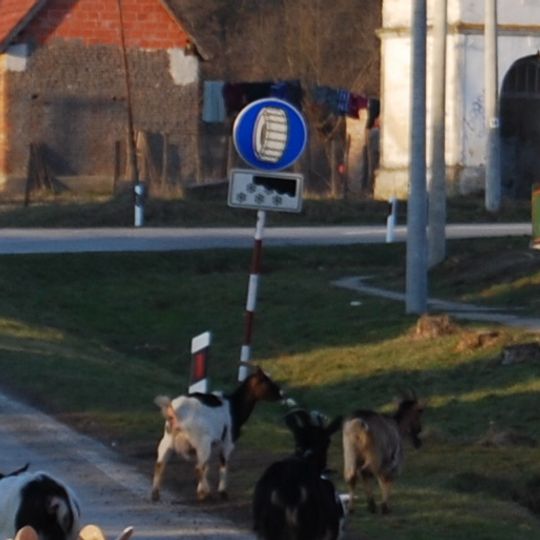
Slavonia, Historical region in eastern Croatia
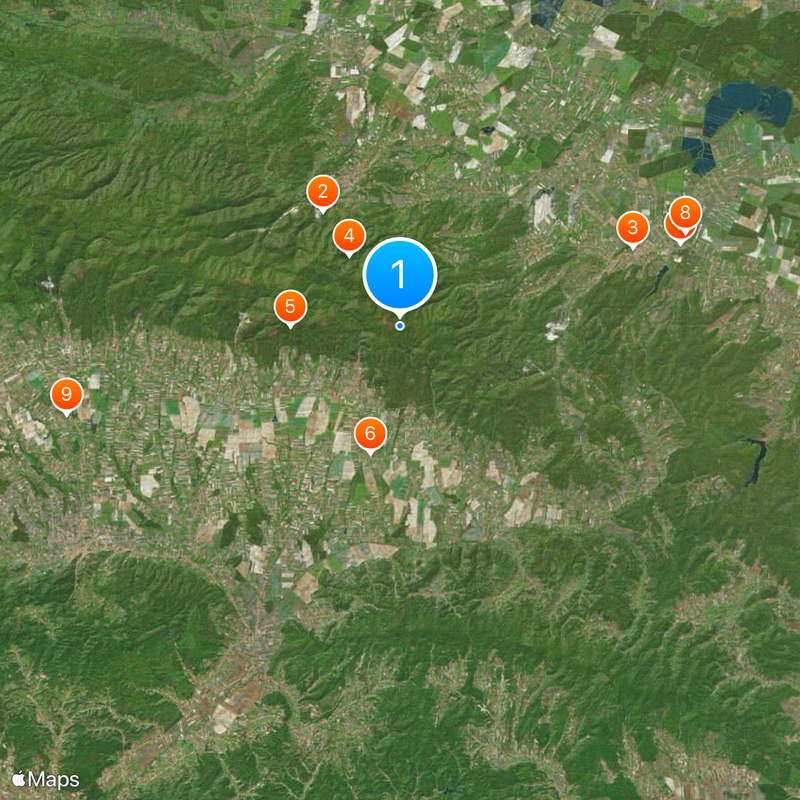
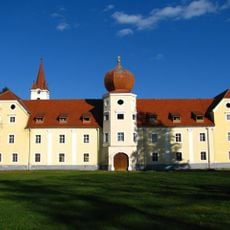
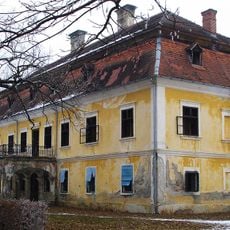
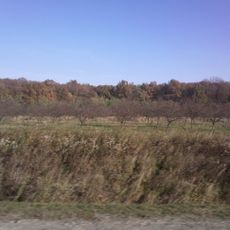
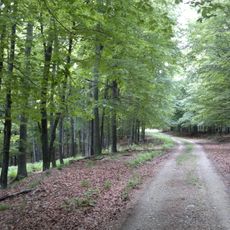
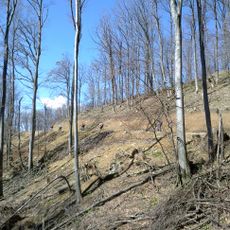
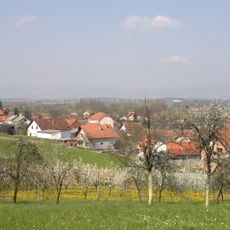
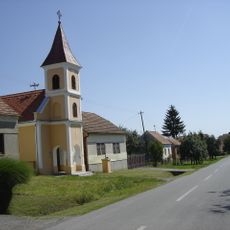
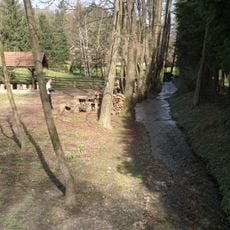
Slavonia is a historical region in eastern Croatia that spreads across five administrative counties and encompasses wide plains with fields, forests and river valleys. The landscape is bordered by the Sava River to the south and the Drava River to the north, with gentle hills appearing in the western parts.
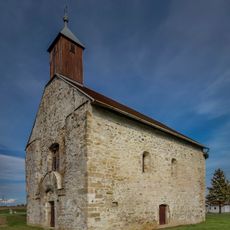
The territory changed hands between Germanic tribes, the Byzantine Empire and Slavic settlers from the 5th century onward, before coming under Ottoman control in the 16th century. Following the Treaty of Karlowitz in 1699, it became part of Habsburg lands and remained under Austrian administration until the 20th century.
The bećarac tradition expresses itself through improvised singing duels where performers exchange witty or provocative verses. This form of folk music plays at weddings, harvest celebrations and other gatherings in rural communities.
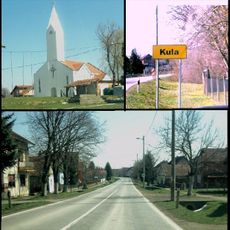
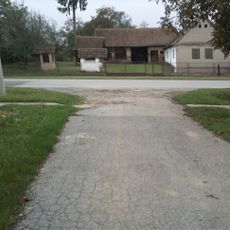
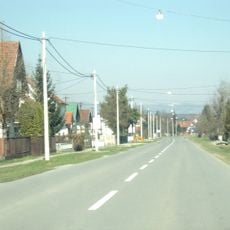
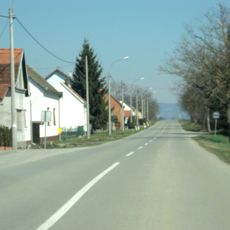
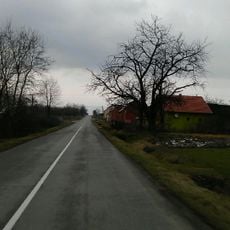
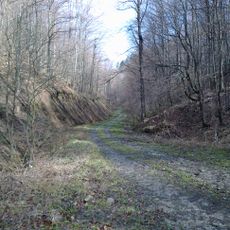
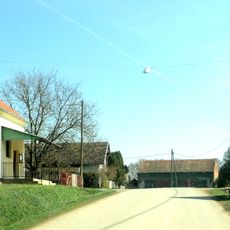
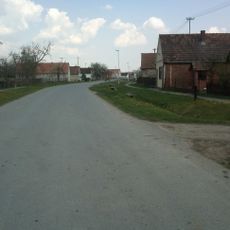
Most settlements sit along main roads connecting the larger towns, while rural areas are crossed by unpaved tracks. Spring and autumn offer comfortable temperatures for exploring, while summers can be hot and winters cold.
Vineyards around Ilok, Erdut and Kutjevo preserve grape varieties that have been rooted in these soils since Roman times. The Graševina grape thrives particularly well here and produces fresh white wines with mineral character.
The community of curious travelers
AroundUs brings together thousands of curated places, local tips, and hidden gems, enriched daily by 91,866 contributors worldwide.