Prozor Fortress, Medieval fortress ruin in Vrlika, Croatia
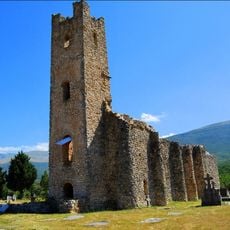
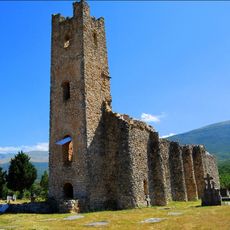
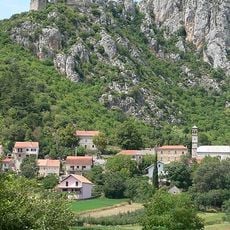
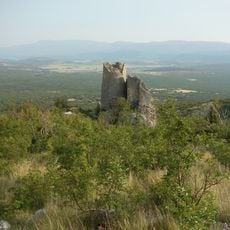
Prozor Fortress, also called Gradina, stands on an isolated rock at 459 metres above sea level, northwest of Vrlika. Its irregular rectangular plan centres on a keep (donjon) with an open court containing houses and a chapel, defended by lower ramparts and a round tower; the west side held the residential 'providur's quarters', and a drawbridge once gave access to the keep.
Prozor Fortress began as a small stronghold of the Illyrian Dalmatae tribe. In 1406 King Ladislaus of Naples granted it, then recorded as Castrum Werhlychky, to Bosnian nobleman Hrvoje Vukčić Hrvatinić, who fortified it over the Vrlika valley against Ottoman incursions. After his death in 1416 it passed to Ivaniš Nelipić and later to Ivan Frankopan. The Ottomans took it in 1522 or 1523 and held it until 1688, when Venetian forces drove them out.
The fortress gave its name to the settlement below: in the late Middle Ages the name Prozor faded and locals called it Grad ("town"). During Ottoman rule a mahala, the housing area of the Vrlika fortress, grew around it. The Croatian Ministry of Culture lists it as protected cultural property Z-3921.
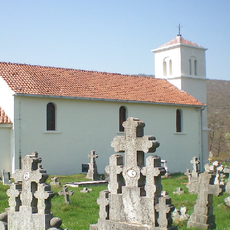
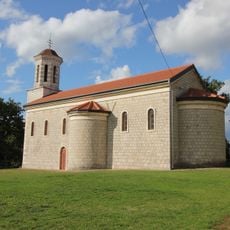
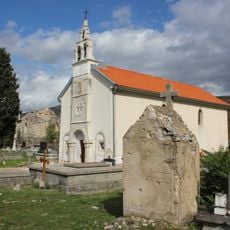
The route starts at the Roman Catholic parish church in Vrlika: a 1.5-kilometre drive toward the village of Maovice, then a 25-minute walk along a dirt trail. The ruins stand on a steep, isolated rock northwest of town, so wear sturdy shoes; entry is free.
The fortress keep was once reached by a drawbridge, and the courtyard around it was defended by lower ramparts and a round tower. The south side, protected by a low wall built on the cliff, was considered inaccessible. The site is listed in Croatia's Register of Cultural Goods under number Z-3921.
The community of curious travelers
AroundUs brings together thousands of curated places, local tips, and hidden gems, enriched daily by 94,589 contributors worldwide.