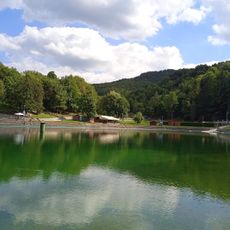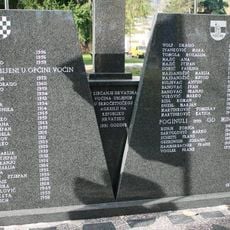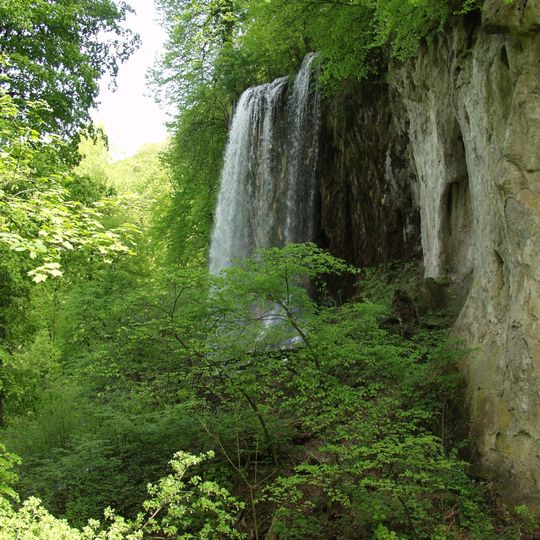
Papuk Nature Park, Nature park in Slavonia, Croatia
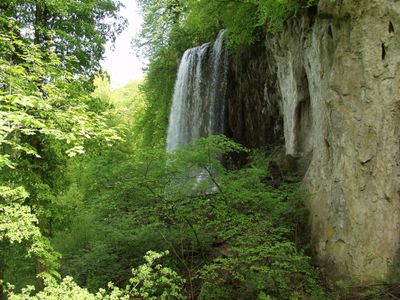
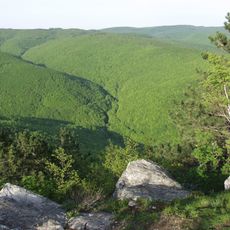
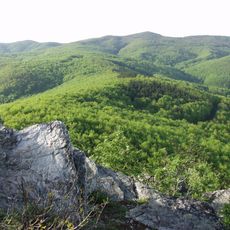
Papuk Nature Park covers 336 km² of the Papuk and Krndija mountains in Slavonia, rising from the former Pannonian Sea plain to Papuk peak at 953 m and Ivačka glava at 913 m. Forest covers more than 96% of the area, dominated by beech, and almost 1,300 plant species grow here. The park is split between Požega-Slavonia and Virovitica-Podravina counties, with its headquarters in Voćin.
Papuk's slopes hold traces of settlement from the Neolithic onward, with the most notable finds from the Early Iron Age (750–300 BC) at Kaptol. Seven medieval fortresses, most dating from the 13th century, were built as the Ottoman threat advanced. Ružica Castle near Orahovica is the best-preserved, showing Gothic and Renaissance work.
The park's name comes from the Papuk mountain range, and the area around Kaptol is known for archaeological finds from the Early Iron Age (750–300 BC). Near Orahovica stands the Ružica fortress, a preserved example of Gothic and Renaissance building in this part of Croatia. The park headquarters is in Voćin.
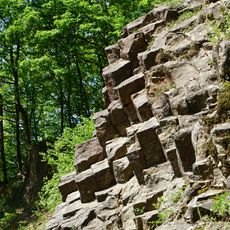
The park headquarters is in Voćin, and marked hiking trails cross the Papuk and Krndija ridges. A 104 km network of signposted cycling routes serves mountain bikers, and the Sokoline crag has equipped climbing routes for training. The Lapjak educational trail near Velika and the Count's educational trail at Jankovac both have information boards; a mountain lodge at Jankovac offers accommodation and food.
The Uviraljka sinkhole serves as an important wintering site for bats, while almost 1,300 plant species grow in the park, more than a quarter of Croatia's entire flora. The most endangered plants are found on meadows and other non-forested areas.
The community of curious travelers
AroundUs brings together thousands of curated places, local tips, and hidden gems, enriched daily by 93,607 contributors worldwide.