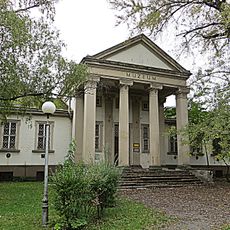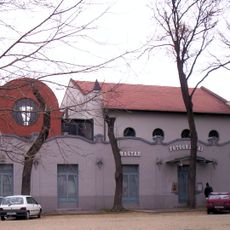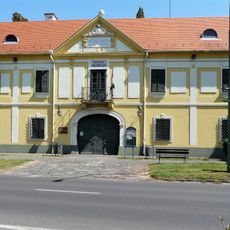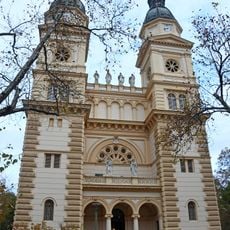
Kecskemét, Agricultural center in central Hungary
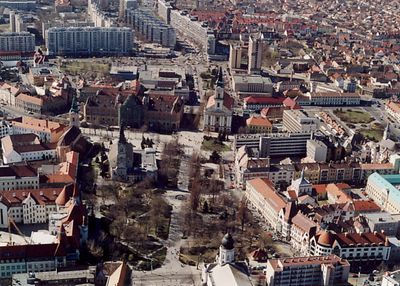
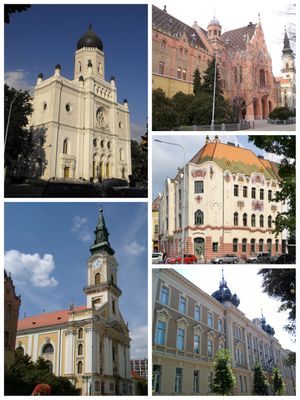
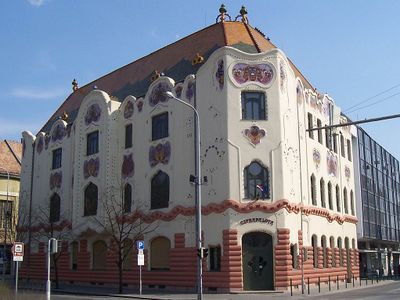
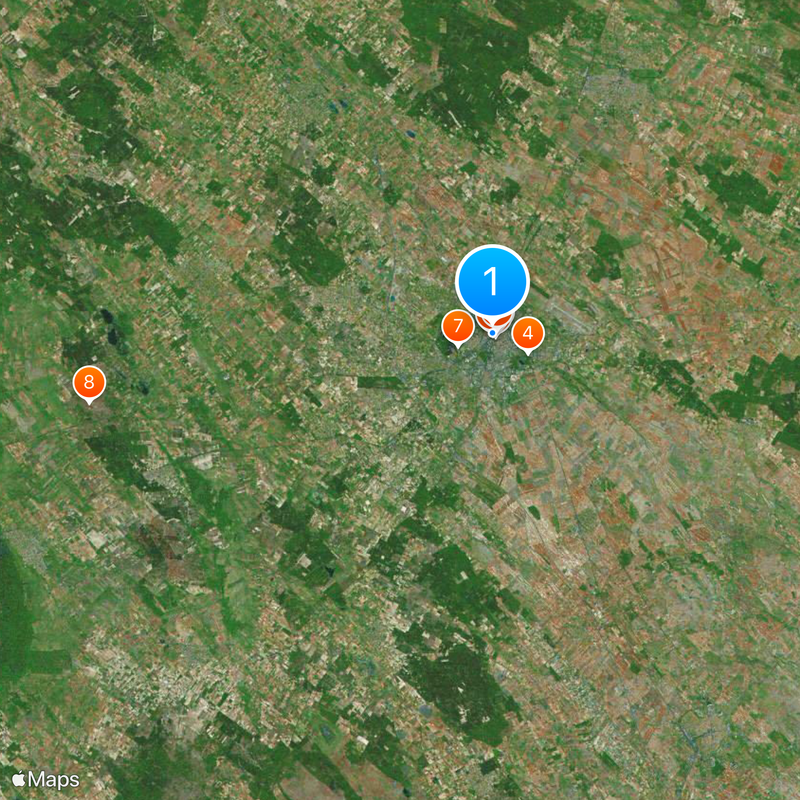
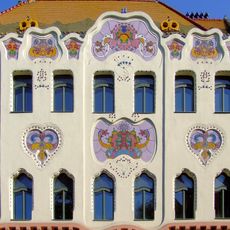
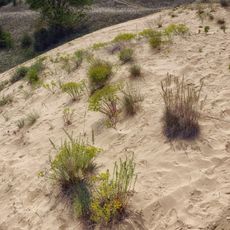
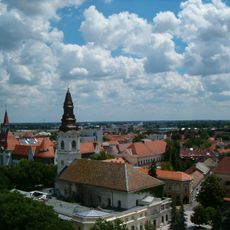
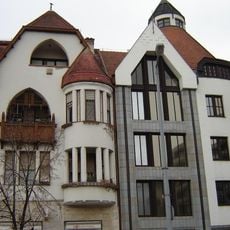
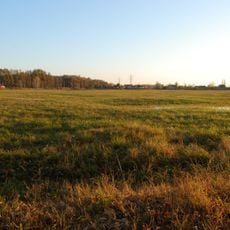
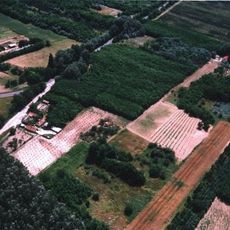
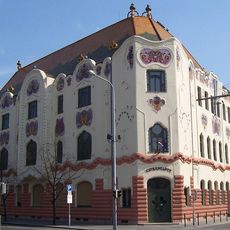
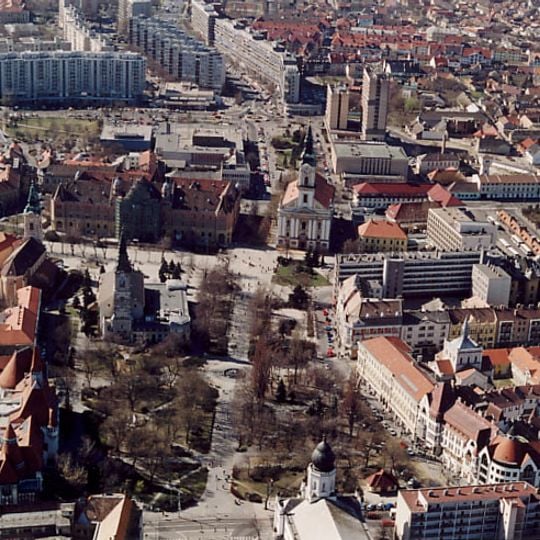
Kecskemét is the capital of the Bács-Kiskun region, spreading across sandy farmland about 80 kilometers (50 miles) southeast of Budapest. The downtown core is cut through by wide boulevards that cluster around a central square, where pedestrian zones connect shops, cafés, and public buildings in Art Nouveau style.
Magyar settlers founded the town in the 10th century, when nomadic groups began to settle permanently across the plain. During Ottoman rule in the 16th century, the town remained largely autonomous, as Turkish officials protected local administration and trade rather than disrupting them.
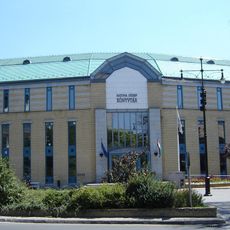
The medieval name means ' goat shed', referring to the original livestock pens that marked the first settlement centuries ago. The Kőrösi Csoma Sándor library now houses the city's archives, where handwritten records from the Ottoman period remain accessible to researchers and curious travelers.
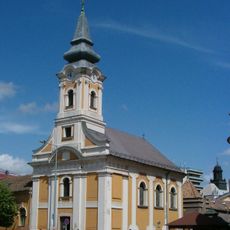
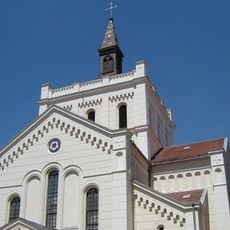
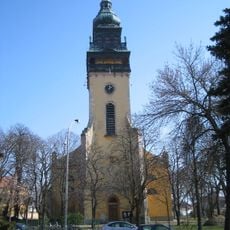
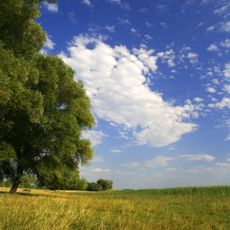
A walk around the main square takes about 20 minutes and covers most of the important public buildings, all accessible on foot. The surrounding countryside is flat, making it easy to explore by bicycle, especially during spring and autumn months when temperatures are mild.
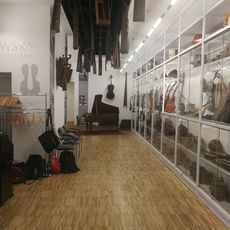
The Leskowsky Collection displays historical musical instruments from several centuries, including rare keyboard and wind instruments from different parts of Europe. The Kodály Institute offers workshops and performances based on the composer's methods, born nearby, who advocated for children's music education.
The community of curious travelers
AroundUs brings together thousands of curated places, local tips, and hidden gems, enriched daily by 60,000 contributors worldwide.