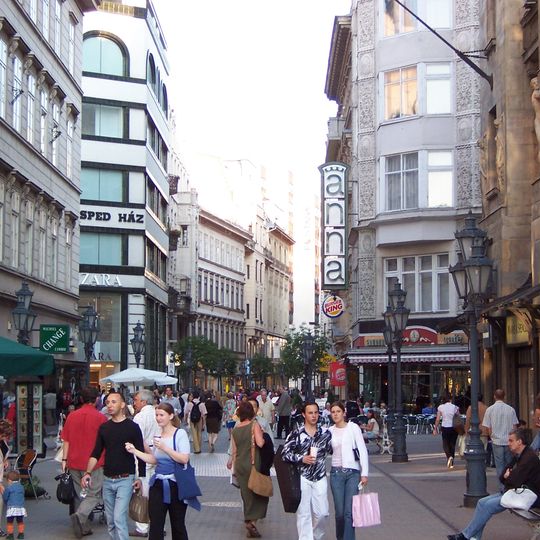
Inner City, Central neighborhood in Budapest, Hungary
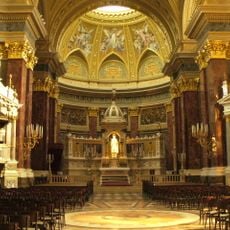
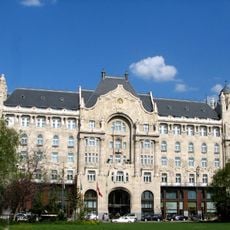
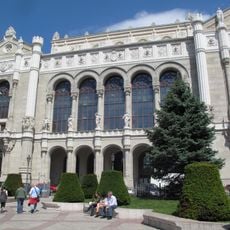
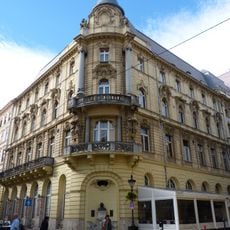
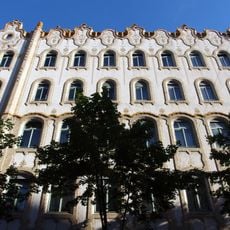
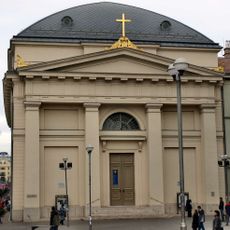
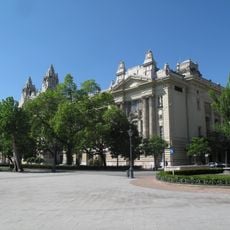
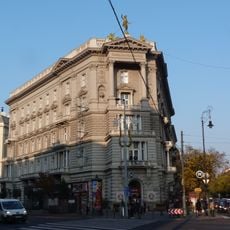
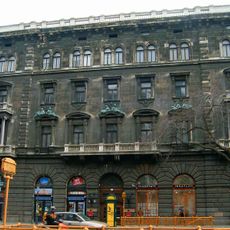
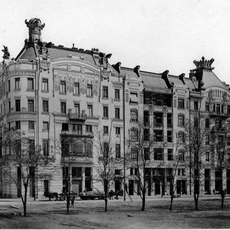
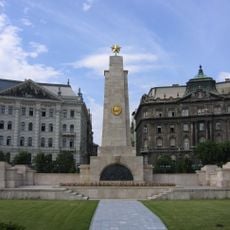
The Inner City occupies the eastern bank of the Danube and brings together wide avenues, major public squares, and important buildings from different periods. Architecture here ranges from religious structures to performance venues and residential buildings that define District V's character.
Until 1949 this neighborhood was Budapest's fourth district, defined by medieval city walls that still trace the outlines of major boulevards. These boundaries shaped how the area developed and how it feels today.
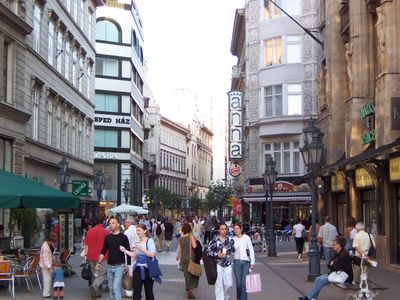
The Inner City developed around religious and civic institutions that shaped how locals and visitors move through its streets today. Markets, bookshops, and street-level cafés create gathering spaces where people experience the neighborhood's continuous evolution.
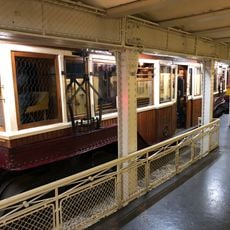
The neighborhood is easy to navigate, with three metro lines meeting at Ferenc Deák Square and buses and trams servicing the entire area. Walking through is rewarding, as many shops, restaurants, and cafés invite you to stop and spend time.
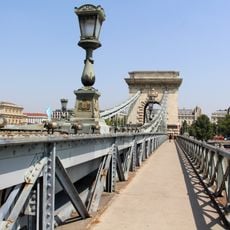
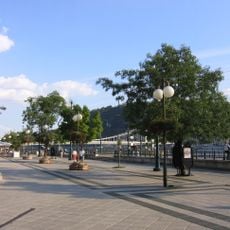
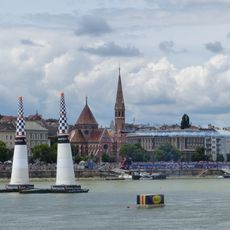
The Danube waterfront promenade offers direct views across the river to Buda's castle, bridge, and parliament building without paying for a tour. Many visitors pass through without realizing this free walkway gives one of the best angles for seeing these landmarks from the Pest side.
The community of curious travelers
AroundUs brings together thousands of curated places, local tips, and hidden gems, enriched daily by 60,000 contributors worldwide.