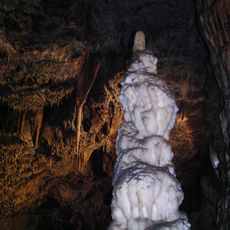
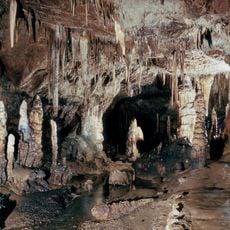
Béke Cave, Limestone cave in Aggtelek National Park, Hungary.
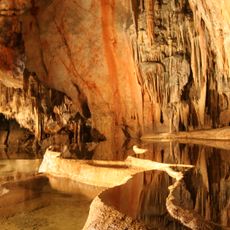
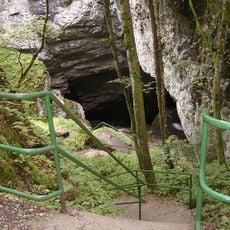
Béke Cave is a 7,183 m long cave in Triassic limestone, second longest in the Aggtelek Karst. Its main branch, 3,650 m long, carries the Komlós stream and averages 4–5 m wide and 8–10 m high. The stream has built about 430 travertine dams holding 123 underground lakes, and the Óriás-terem hall measures roughly 60 m by 20 m by 18 m.
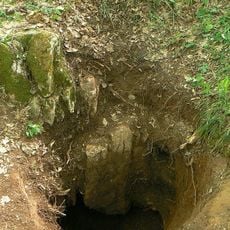
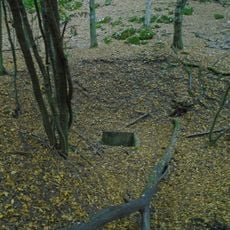
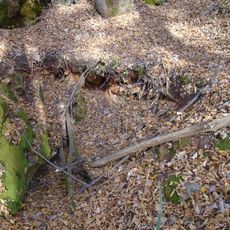
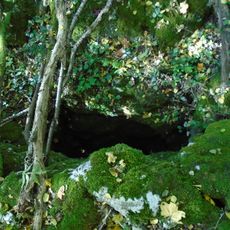
In 1938 Hubert Kessler proposed that the Komlós spring belonged to a separate system from the Jósva spring. László Jakucs disproved this in 1952 by dyeing the Styx stream and tracing it only to the Jósva; he then traced sinkholes near Szár and Szomor hills to the Komlós spring. On 4 August 1952 Kessler entered the new system through the Bibic collapse, and the main passage was mapped within half a year. A third, artificial entrance with a 150 m incline was opened in 1954.
The cave's Hungarian name, Béke-barlang, means "Peace Cave"; Polish sources render it as Jaskinia Pokoju. It has also appeared in literature as Komlós-forrásbarlang and Peace Cave. Since 1982 it has been one of Hungary's strictly protected caves, and it shares UNESCO World Heritage status with the other caves of the Aggtelek and Slovak karst.
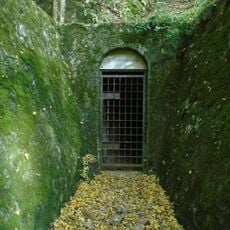
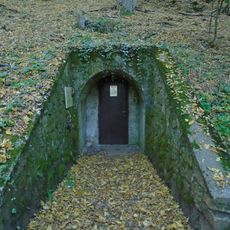
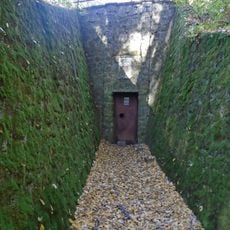
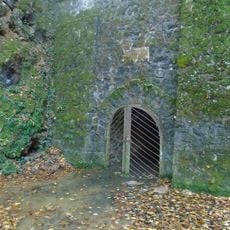
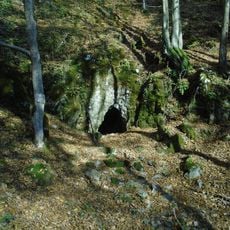
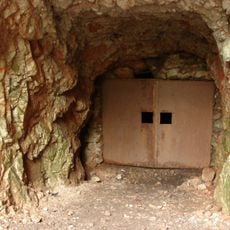
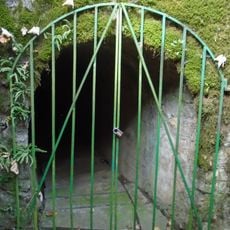
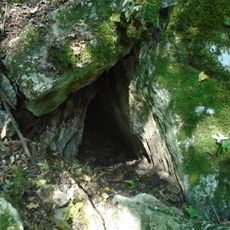
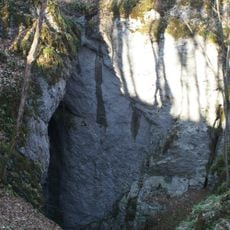
The cave has two usable entrances: an artificial one on the Szomor-hegy side of Aggtelek at 338 m elevation, and one near Jósvafő at Kőhorog at 271 m. The Jósvafő entrance leads to the Sanatorium Hall, used for cave therapy since 1964. A section is visitable only as a special guided cave tour, arranged in advance; other parts require permission from the Aggtelek National Park Directorate.
The cave's air contains mould spores that produce antibiotics; 72 fungal species were identified, and one led to the drug Grubilin. The condensate's calcium content is about ten times that of Baradla Cave.
The community of curious travelers
AroundUs brings together thousands of curated places, local tips, and hidden gems, enriched daily by 93,124 contributors worldwide.