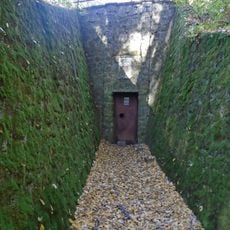
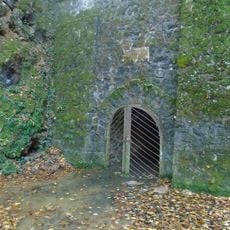
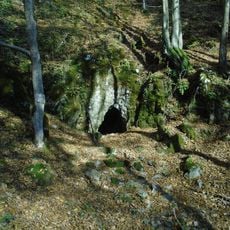
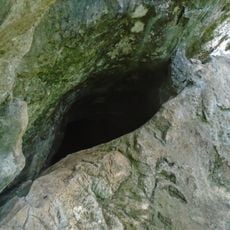
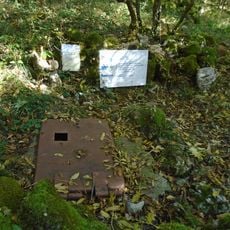
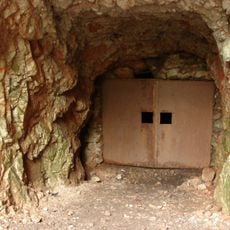
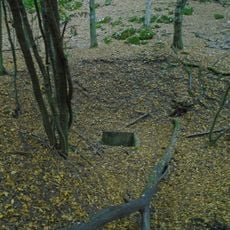
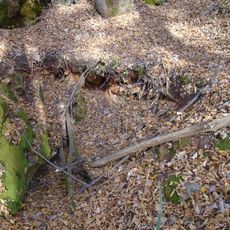
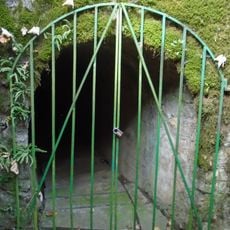
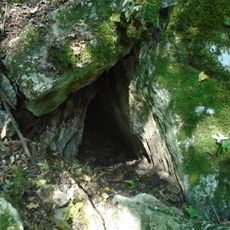
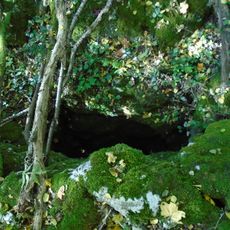
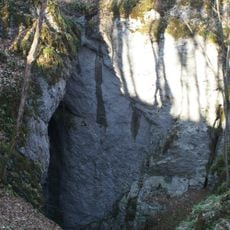
Vass Imre Cave, Underground cave system in Jósvafő, Hungary.
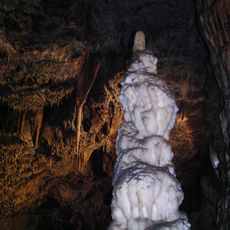
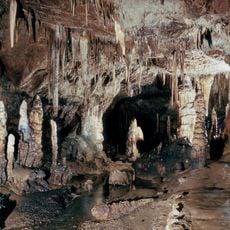
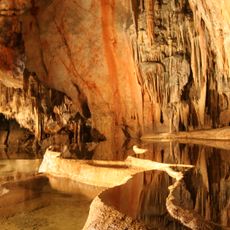
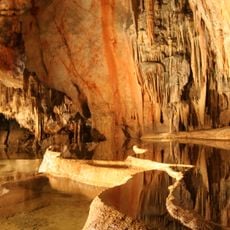
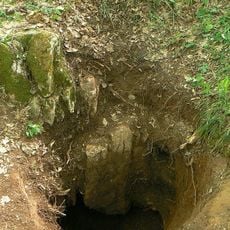
This extensive karst cave system features a seven-meter deep entrance shaft decorated with abundant flowstone formations including columns, soda straws, and helictites displaying distinctive orange coloration.
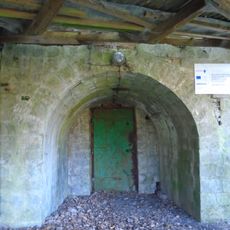
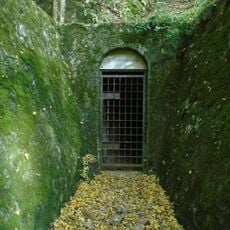
The cave was explored in 1954–1955 by the Cave Research Group of the Department of Mineralogy and Geology at the Budapest University of Technology. It is named after Imre Vass, who first described the Baradla cave scientifically in Hungarian and drew a highly accurate map of it. Later, an artificial entrance was opened to bypass the narrow, rubble-strewn section of the explorer's branch.
The cave is named after Vass Imre, who first described the Baradla cave scientifically in Hungarian and drew a highly accurate map of it. Guided tours follow named formations such as the Rokokókapu, the Eszkimó kunyhó and the Narancs-zuhatag, whose orange flowstone surface shows glinting calcite crystals.
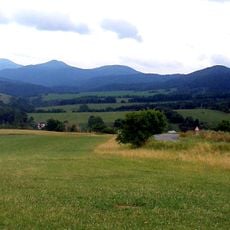
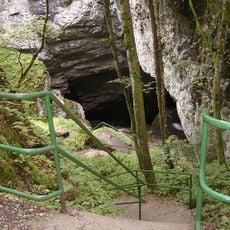
Tours start at the ticket office by the Jósvafő entrance of the Baradla cave (Tengerszem hotel), from where the cave entrance is a three-kilometre walk of about an hour each way; the visit inside lasts another hour. Groups of at most ten must register in advance, only one group is inside at a time, and no special equipment is needed, though the floor can be muddy after floods.
The cave is known for an unusually high number of helictites, curved stalactites that grow sideways or in bends rather than straight down; no proven explanation for their formation exists, though they likely form from lime in the cave air's moisture. The Baradla Cave, by contrast, has hardly any.
The community of curious travelers
AroundUs brings together thousands of curated places, local tips, and hidden gems, enriched daily by 93,140 contributors worldwide.