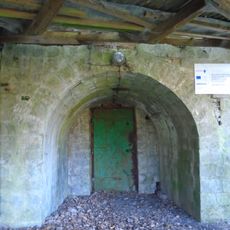
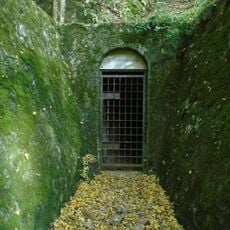
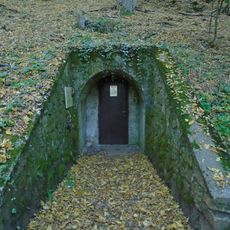
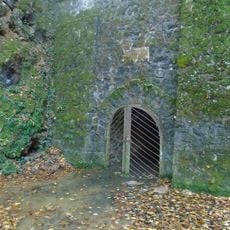
Szabadság Cave, Natural cave in Égerszög, Hungary.
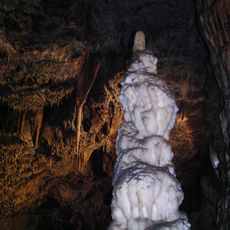
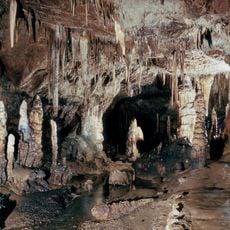
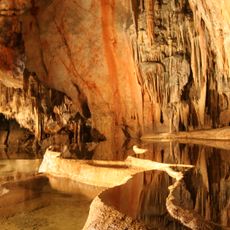
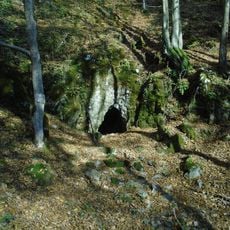
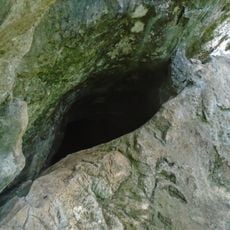
Szabadság Cave is a natural cave in Égerszög with an extensive underground system running through varied rock formations. The system contains multiple chambers and passages of different sizes, ranging from very narrow sections to larger open areas.
The cave was discovered in 1954 by the Balázs Dénes Cave Research Group, who found the entrance through the Dász sinkhole. This discovery began systematic exploration of the underground system.
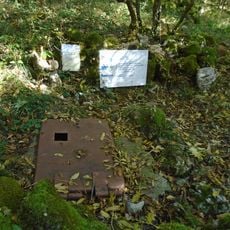
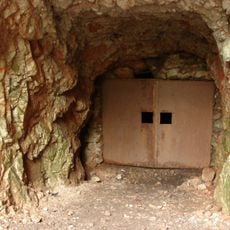
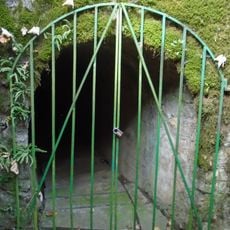
The cave's name appears in caving literature in several forms: Égerszögi Szabadság-cseppkőbarlang, Égerszögi-víznyelő, Kecskekút-rendszer, Freedom Cave and Szabadság Cave. The Dász sinkhole above it was already probed by Jakucs László in 1952, and the breakthrough came in 1954 under Balázs Dénes. The sealed entrance opens only with permission from the Aggtelek National Park Directorate.
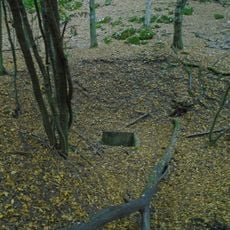
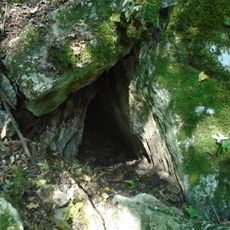
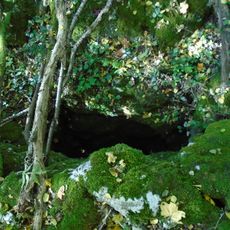
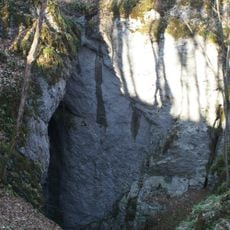
The cave is closed and can only be entered with basic caving equipment and a permit from the Aggtelek National Park Directorate. The entrance lies in the Dász sinkhole on the Pitics-hegy, about 1.6 km west-northwest of Égerszög, beside the red-marked trail between Égerszög and Jósvafő. The 64 m Kuszoda crawl drops below 30 cm of headroom, so a boot cannot stand upright there.
The Óriás-terem (Giant Hall) is 32 metres long, its floor covered in debris through which the water of Kecske-kút flows; this stream appears only during spring snowmelt or heavy rain. Beyond it, the Pokol section splits into several levels separated by false floors, with stalactites only on the upper level.
The community of curious travelers
AroundUs brings together thousands of curated places, local tips, and hidden gems, enriched daily by 92,947 contributors worldwide.