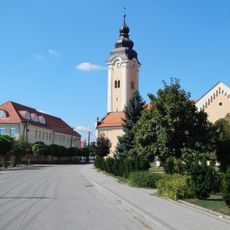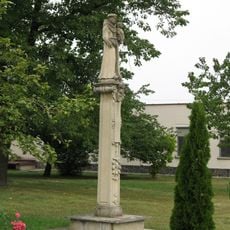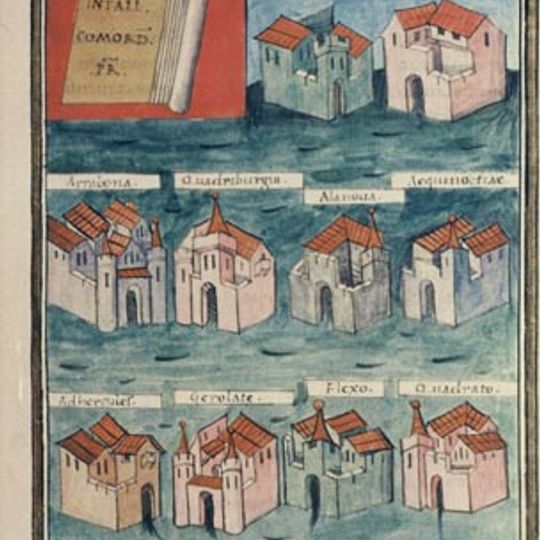
Flexum, Roman military camp in Mosonmagyaróvár, Hungary
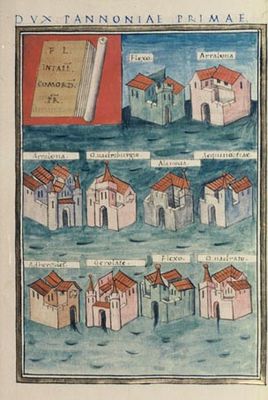
Flexum is an ancient Roman fort and castrum in Mosonmagyaróvár, Hungary, built at the point where the Mosoni-Danube meets the Lajta river. It formed part of the Pannonian limes, the fortified frontier line that the Romans maintained along the Danube.
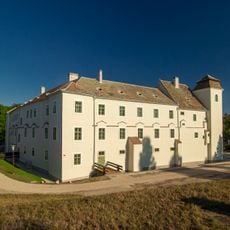
Romans established Flexum in the 1st century as a garrison post along the Danube frontier, protecting the northern edge of the province of Pannonia. After the Roman withdrawal, the site was not abandoned but continued to be used, and a medieval fortress was later built directly over the ancient remains.
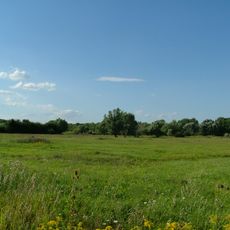
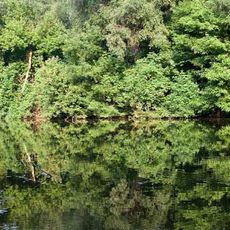
The name Flexum comes from the Latin word for a bend, referring to the sharp curve in the river that is still visible in the landscape today. Standing at the site, visitors can see how the natural shape of the waterway defined the character of this place long before any settlement existed.
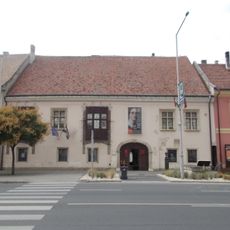
The Roman remains lie beneath a medieval fortress and cannot be seen above ground, so visiting the Hansági Museum in town is the best way to get a sense of the site. The museum holds objects found during excavations here and gives good context for what once stood at the river confluence.
The medieval fortress built over the Roman fort was not placed there by chance: builders reused the same spot because the river bend offered the same natural advantage it had given Roman commanders centuries earlier. This means the ground beneath the current structure holds layers from two very different military eras.
The community of curious travelers
AroundUs brings together thousands of curated places, local tips, and hidden gems, enriched daily by 91,433 contributors worldwide.