Toba, Volcanic caldera in North Sumatra, Indonesia
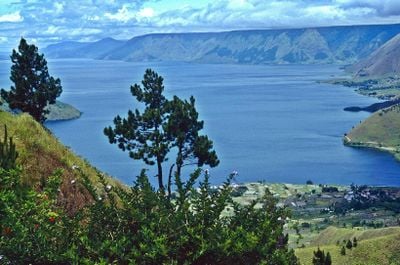
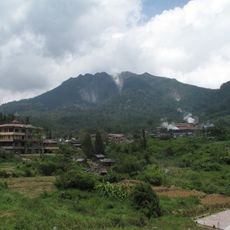
Toba is a caldera in North Sumatra, Indonesia, formed by the Youngest Toba Tuff eruption about 74,000 years ago. The caldera, about 100 km long and 30 km wide, is more than half filled by Lake Toba, which reaches a depth of 530 m. Samosir Island, a resurgent dome, rises in the centre, split from the Uluan block by a graben fault.
A massive eruption shaped the crater roughly seventy thousand years ago, raining ash across large parts of Asia. After the blast, the depression gradually filled with rainwater, and later tectonic shifts lifted the central part.
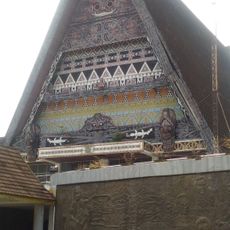
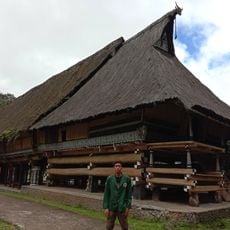
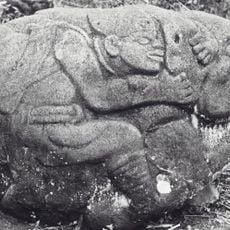
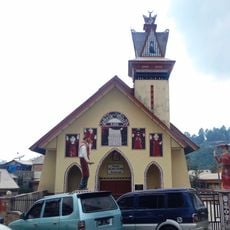
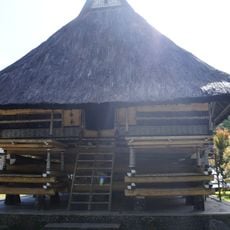
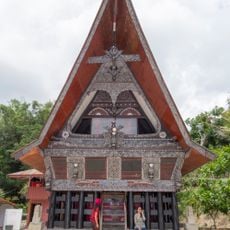
The name Toba is also used for the lake and the Batak homeland around it. The caldera rim and Samosir Island hold Batak villages with saddle-roofed wooden houses and carved doors and gables; many Batak today are Christian, while older ancestral and spirit traditions remain part of ceremonies and house carvings.
Visitors reach the area most easily via Medan, from where buses and rental cars drive to the lake. The western shore offers the best orientation with direct access to ferries for the island.
Hot springs bubble along the shore of the central island, reminding visitors that the volcano beneath the lake remains geologically active. Some locals use these springs for bathing and believe in healing effects of the warm water.
The community of curious travelers
AroundUs brings together thousands of curated places, local tips, and hidden gems, enriched daily by 92,606 contributors worldwide.