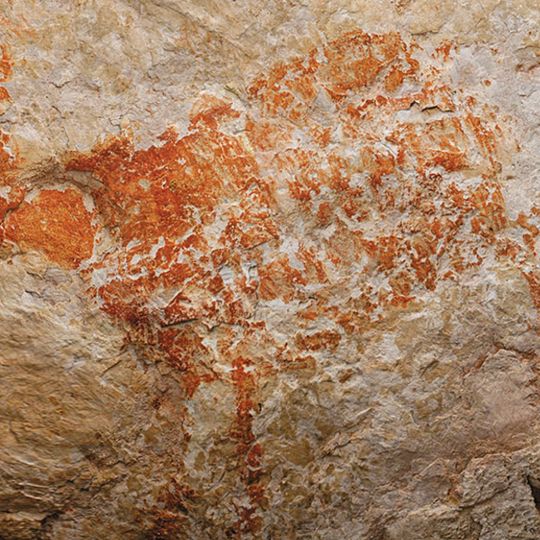
Lubang Jeriji Saléh, Prehistoric cave art site in East Kalimantan, Indonesia.
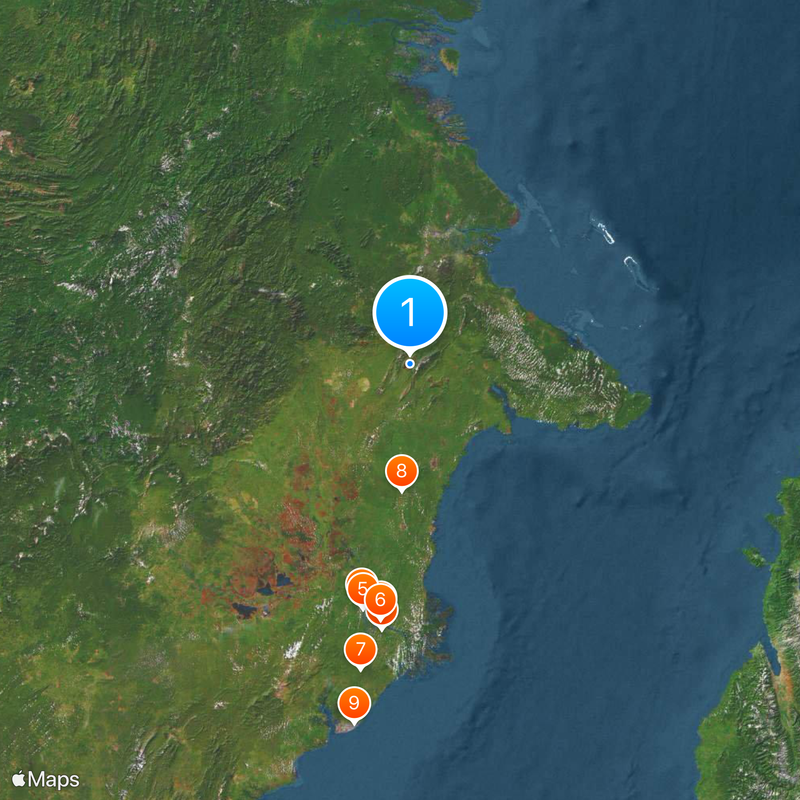
Lubang Jeriji Saléh is a limestone cave in the Sangkulirang-Mangkalihat karst region of East Kalimantan, Indonesia, that preserves prehistoric paintings on its walls. The site extends through several interconnected chambers where more than three hundred hand stencils and around twenty animal figures are distributed across the rock surfaces.
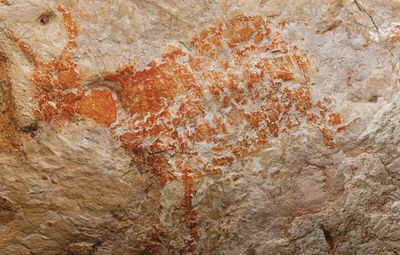
The oldest paintings in the site were created around forty thousand years ago when humans began depicting animals using red oxide pigment. Hand stencils and later geometric patterns were added over time, documenting a shift in artistic expression across millennia.
The hand stencils were made by pressing hands against the rock and blowing pigment around them to create negative images. This method creates a direct connection to the people who lived here thousands of years ago and left their mark on the walls.
Reaching the site involves walking through dense rainforest and climbing steep slopes, so sturdy footwear and plenty of water are necessary. A local guide knows the route and can explain the paintings, making the visit safer and more informative.
The animal figure of a wild cattle on the wall is considered the oldest known figurative artwork created by humans. This discovery shifted understanding of when and where people began capturing the world around them in images.
The community of curious travelers
AroundUs brings together thousands of curated places, local tips, and hidden gems, enriched daily by 60,000 contributors worldwide.