Derrynaflan Chalice, Medieval chalice in Dublin, Ireland
The Derrynaflan Chalice is an 8th- or 9th-century chalice of Insular metalwork, 19.2 cm high and 21 cm in diameter, made of bronze with gypsum. It was found in 1980 as part of the Derrynaflan Hoard, five liturgical vessels buried together, and is now in the National Museum of Ireland.
The Derrynaflan Chalice is an 8th- or 9th-century chalice found on 17 February 1980 by Michael Webb and his son, also Michael, with a metal detector at the monastic site of Derrynaflan, near Killenaule, County Tipperary. It was buried with four other liturgical vessels, probably hidden during the Viking raids and dynastic turmoil of the 10th to 12th centuries. Nearly seven years of litigation over the find led to the National Monuments (Amendment) Act, 1994.
The chalice reflects how Irish craftspeople combined different materials and techniques to create religious objects of beauty and function. The decorative elements suggest the importance of skilled metalwork in medieval religious life.
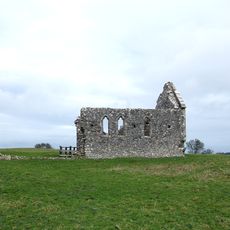
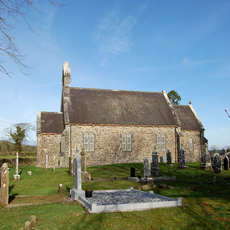
The chalice and the other four vessels of the Derrynaflan Hoard are held in the National Museum of Ireland in Dublin. The hoard was found on 17 February 1980 at Derrynaflan, a pasture island in bogland in Lurgoe townland, northeast of Cashel and about 6 km from Killenaule. The find site itself holds the modest ruins of a later Cistercian nave-and-chancel church.
The hoard was found on 17 February 1980 by Michael Webb and his son, also Michael, using a metal detector at the Derrynaflan monastic site. They had permission to visit but not to dig, and the find was kept secret for three weeks. Nearly seven years of litigation followed, ending in a Supreme Court case where they sought over £5,000,000; the affair led to the National Monuments (Amendment) Act, 1994.
The community of curious travelers
AroundUs brings together thousands of curated places, local tips, and hidden gems, enriched daily by 92,766 contributors worldwide.