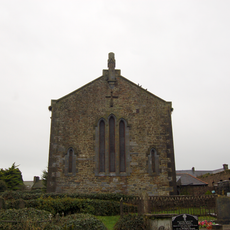
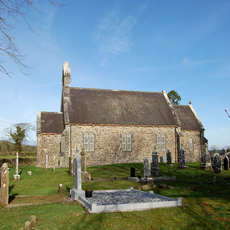
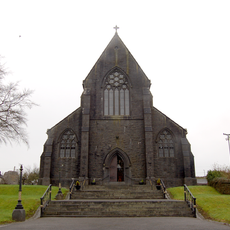
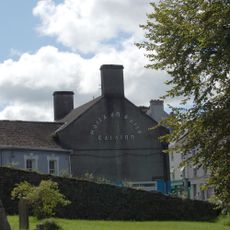
Famine Warhouse 1848, Historical farmhouse in Ballingarry, Ireland.
Famine Warhouse 1848 is a two-story stone building with slate roofing situated on a hillside in Ballingarry's countryside. The structure displays the typical construction style of its era and now houses exhibits about the famine crisis and the political movement that emerged at that time.
On 29 July 1848, rebels led by William Smith O'Brien besieged 47 Irish Constabulary policemen in the farmhouse of Margaret McCormack, widow of Thomas McCormack. After two rebels were killed, the group retreated; the leaders were later arrested, tried for high treason and transported. The house became a National Monument in 1989, was renovated in 2000–01 and renamed Famine Warhouse 1848 in 2004.
The site functions as an educational museum presenting exhibits about the Great Famine, mass emigration, and the struggles of the Young Ireland movement. Visitors can learn about the people who lived through these events and fought for change.
The site is best visited during daylight hours when you can clearly see the building's details and the indoor exhibits. Sturdy footwear is advisable as the terrain is hilly and some paths may be unpaved.
The Irish tricolour was flown for the first time at this house during the 1848 skirmish, when rebels under William Smith O'Brien besieged 47 policemen of the Irish Constabulary. The flag later became the national symbol.
The community of curious travelers
AroundUs brings together thousands of curated places, local tips, and hidden gems, enriched daily by 94,035 contributors worldwide.