Lusmagh, Civil parish in The Municipal District of Birr, Ireland
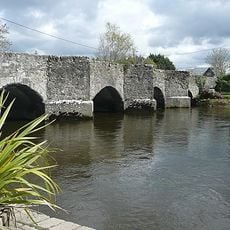
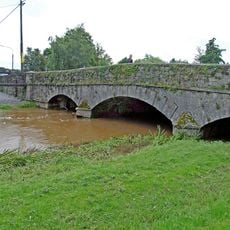
Lusmagh is a civil parish in the Municipal District of Birr, positioned within a landscape shaped by river systems. The Shannon river marks its western boundary, while the River Lusmagh flows along its eastern edge and the Little Brosna defines its southern limit.
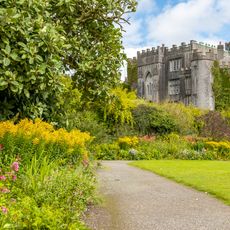
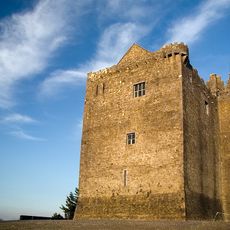
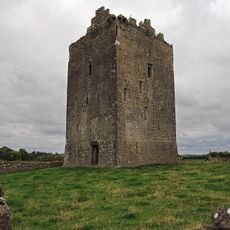
Lusmagh was part of County Galway in 1628 and of Connacht until 1373, when it was transferred to County Offaly. Saint Mo Chua of Balla, also called Crónán, founded a monastery here in 600 on the site later occupied by Cloghan Castle. The Catholic parish, the only one in the Diocese of Clonfert east of the Shannon, took back the name Lusmagh around 1810.
The name Lusmagh comes from 'Lusmhaigh', meaning 'plain of the healing herbs' in Irish, a reference found in historical records of the O'Kellys of Hy-Many. The area maintains a strong rural connection to the river valleys that define its character.
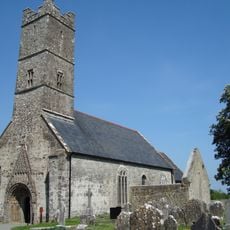
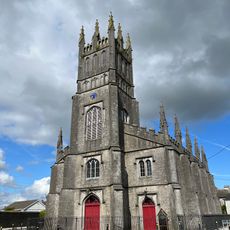
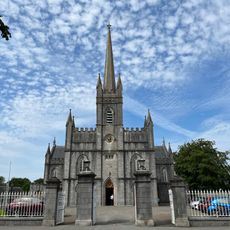
The parish church of St. Crónán sits about three miles southwest of Banagher, near where local agricultural routes meet. Access is easiest by car, as public transport options are limited in this rural farming area.
In 1908 Edward Dolan, then 20, left Lusmagh for Australia and wrote "Lusmagh Fields So Green" about the departure; Johnny McEvoy later recorded the song. Michael Larkin (1837–1867), one of the Manchester Martyrs, was born on the Cloghan Castle property, whose entrance lies just past St. Crónán's church and parochial house.
The community of curious travelers
AroundUs brings together thousands of curated places, local tips, and hidden gems, enriched daily by 92,641 contributors worldwide.