Schneller Orphanage, Heritage site and orphanage in Jerusalem, Israel
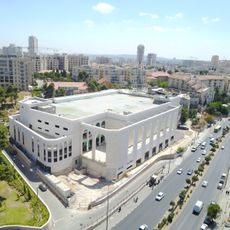
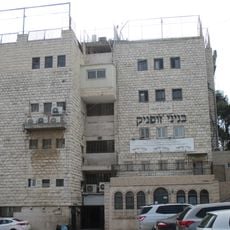
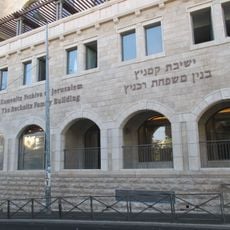
The Schneller Orphanage, or Syrian Orphanage, is a walled compound on Malchei Yisrael Street in Jerusalem. Its multistory stone buildings and onion-dome tower once housed dormitories, classrooms, workshops, a printing press, a flour mill, a bakery, a pottery factory and a brick and tile factory. The site is now a Haredi neighborhood with about 600 housing units, and several historic buildings are preserved as public and heritage structures.
Johann Ludwig Schneller, a Württemberg Lutheran missionary, founded the orphanage in 1860 after bringing nine boys orphaned in the Lebanese Druze-Maronite massacres from Beirut. It grew into a walled compound of about 150 acres by World War I. In 1940 the British deported the German staff and made it a closed military camp; the Haganah took over in 1948, and it served as an Israeli base until 2008.
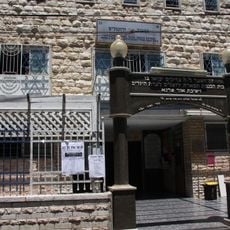
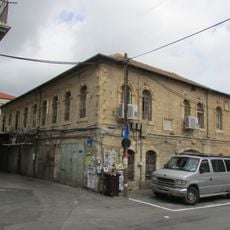
The orphanage's graduates carried its motto of "orderliness, discipline, and German language" across the region. Staff lived beside the compound, and two houses on Malchei Yisrael Street carry plaques naming their donor cities: Munich (No. 50) and Petersburg (No. 48).
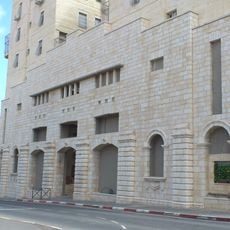
The compound is not an open heritage site: after the army left in 2008 it was sold and built over as a Haredi neighbourhood of about 600 housing units, with the listed historic buildings kept for public and heritage use. It stands on Malkhei Yisrael Street between the Geula and Kerem Avraham neighbourhoods, and the European facades can be seen from the surrounding streets.
Excavations beneath the grounds have uncovered remains of a Jewish settlement from the Second Temple period and an ancient Roman bathhouse. These archaeological finds show that the land has been occupied and used for thousands of years before the orphanage was built.
The community of curious travelers
AroundUs brings together thousands of curated places, local tips, and hidden gems, enriched daily by 92,862 contributors worldwide.