Talpiot Tomb, Ancient burial site in East Talpiot, Israel.
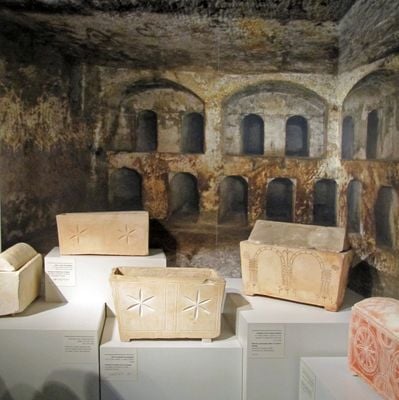
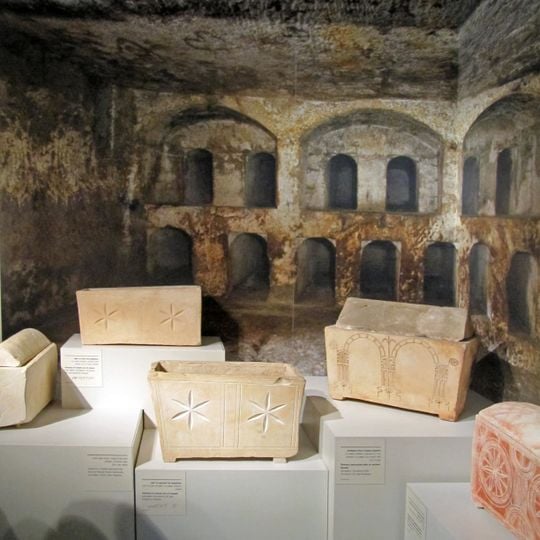
The Talpiot Tomb is carved from solid limestone bedrock and contains six kokhim, horizontal burial shafts, and two arcosolia, arched shelves for laying out bodies. Ten limestone ossuaries were found inside the shafts. A chevron and circle pattern is visible above the entrance.
Construction workers uncovered the site in March 1980 while laying foundations for apartment blocks, and archaeologists led by Amos Kloner examined it immediately. The structure itself dates to the first century and follows burial customs of that era.
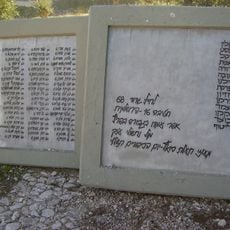
Inscriptions on the limestone boxes use a mix of Hebrew and Aramaic letters typical of Jewish Jerusalem two thousand years ago. Such labels helped families identify the bones of their dead after the body had decayed.
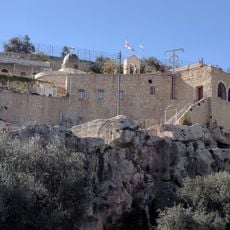
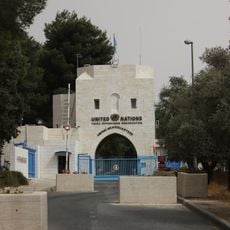
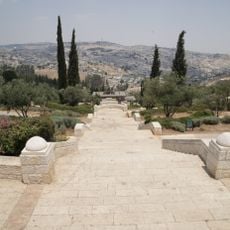
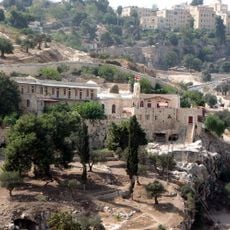
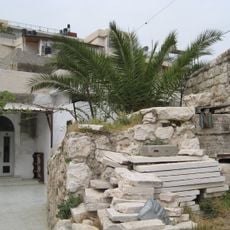
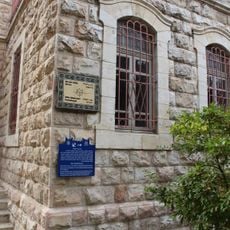
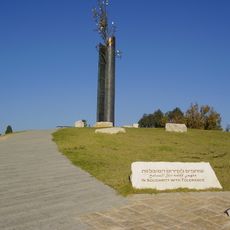
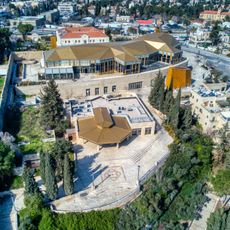
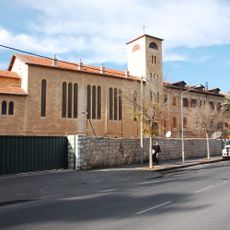
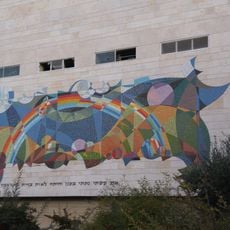
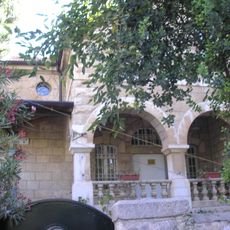
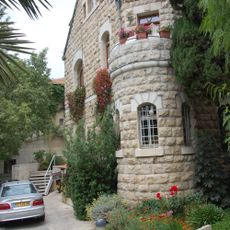
The tomb is not open to the public and its entrance was resealed after being reopened without permission in 2005. It lies in a courtyard on Dov Gruner Street, down a flight of stairs at the corner of Olei Hagardom and Avshalom Haviv Streets. The site sits inside a lived-in East Talpiot neighbourhood, so visitors should keep to the stairway and respect residents' privacy.
Ten limestone ossuaries were found, six bearing inscriptions, though only four were recognised as such in the field. The team judged them of little note and sent them to the Rockefeller Museum. One inscription, read as Yeshua bar Yehosef, is partly illegible; some scholars propose Hanun bar Yosef instead.
The community of curious travelers
AroundUs brings together thousands of curated places, local tips, and hidden gems, enriched daily by 93,717 contributors worldwide.