St. Onuphrius Monastery, Orthodox monastery in Jerusalem, Israel
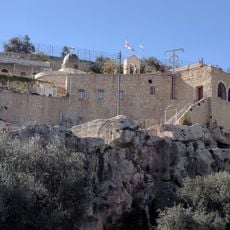
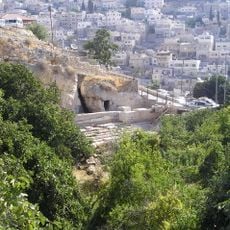
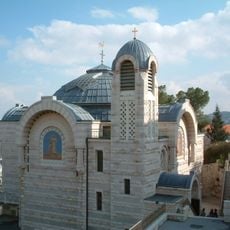
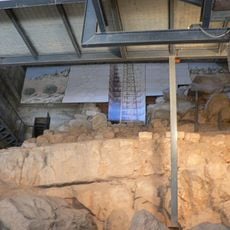
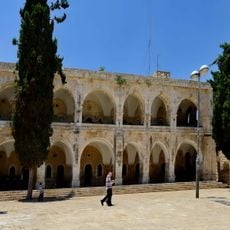
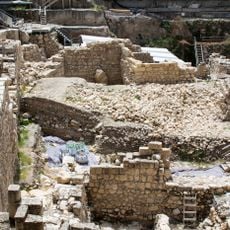
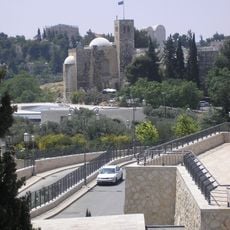
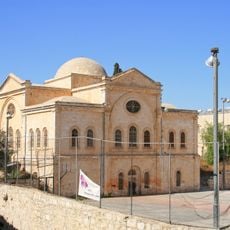
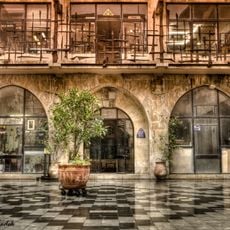
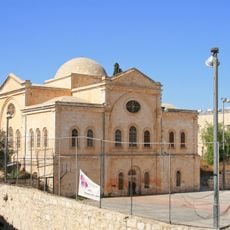
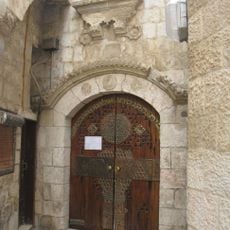
St. Onuphrius Monastery is an Orthodox monastery in Jerusalem situated on the southern slope of the Hinnom Valley. The compound features underground churches, ancient burial caves, and terraced gardens.
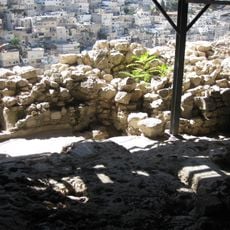
The monastery was built in 1892 on the site of an early Christian graveyard with rock-cut niches, where Saint Onuphrius the Anchorite prayed in the fourth century. An underground church existed from the time of Constantine I and was enlarged over the centuries. The present buildings date from the nineteenth century.
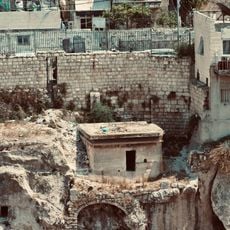
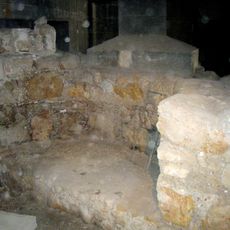
The monastery church occupies a rock-cut Jewish burial cave with burial niches, later enlarged with an above-ground addition; the cave now forms the church's southern part. From here comes the Orthodox custom of dedicating cemetery chapels to Saint Onuphrius. Local Arab residents of Silwan told J.E. Hanauer that the rock-cut tombs beneath the monastery hold Christian hermits killed under the Fatimid ruler Al-Hakim.
The monastery belongs to the Greek Orthodox Patriarchate of Jerusalem and is a working convent, so access follows monastic custom rather than fixed tourist hours. It sits on a narrow terrace on the north-eastern slope of the Mount of Evil Counsel, about 150 m from where the Hinnom Valley meets the Kidron Valley, south of the Old City. Visitors reach it on foot; the rock-cut caves and terraces involve steps and uneven ground.
The rock-cut tombs beneath the monastery include one whose Doric facade, with a frieze divided by triglyphs and eight metopes each bearing a differently patterned patera, was recorded by Ermete Pierotti; Ernst Gustav Schultz took it for the tomb of the high priest Ananus, as it shows Herodian-age elements. Local Arabs of Silwan told J.E. Hanauer the tombs held hermits killed under Fatimid ruler Al-Hakim bi-Amr Allah.
The community of curious travelers
AroundUs brings together thousands of curated places, local tips, and hidden gems, enriched daily by 93,673 contributors worldwide.