Akeldama, Historic site in eastern Jerusalem, Israel
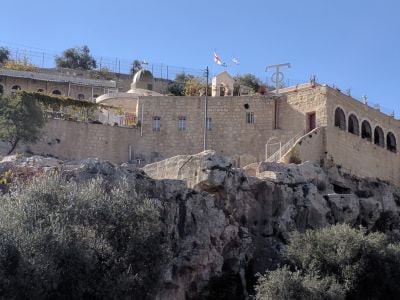
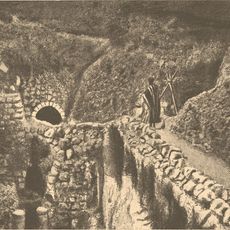
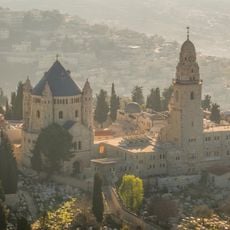
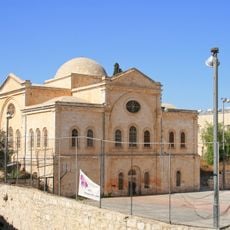
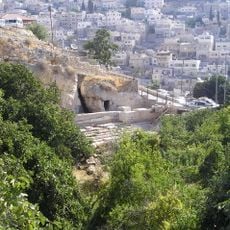
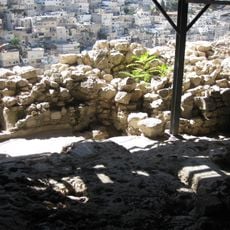
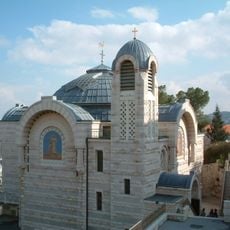
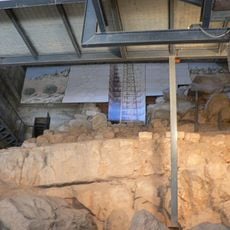
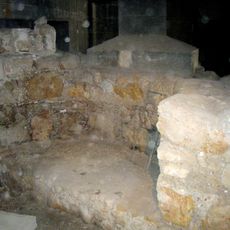
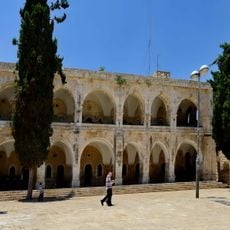
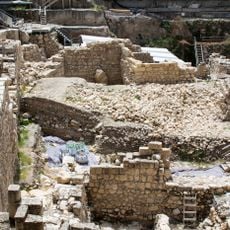
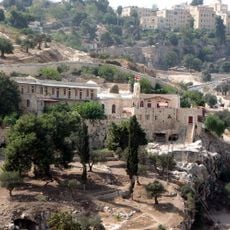
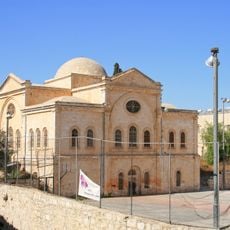
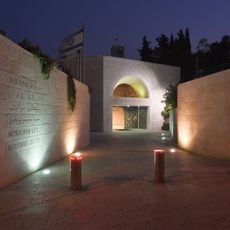
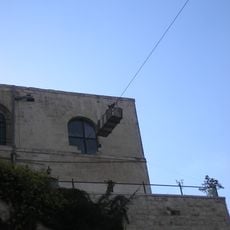
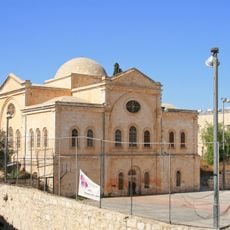
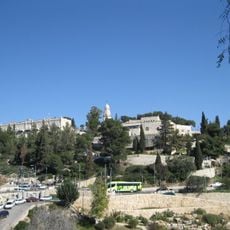
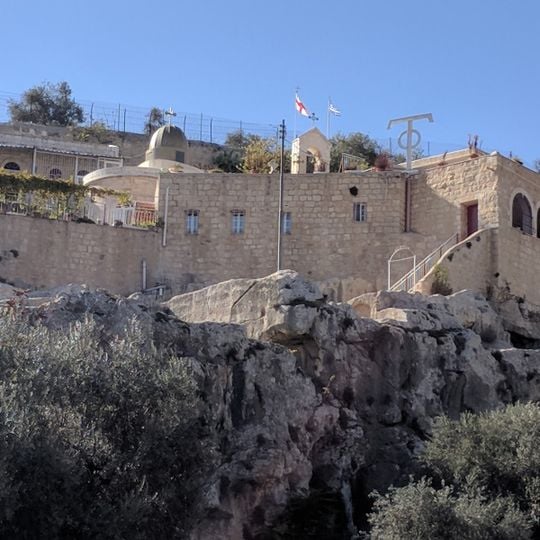
Akeldama is a burial ground and monastery complex on a steep slope above the Hinnom Valley in Jerusalem. The Greek Orthodox monastery of Saint Onuphrius, built in 1892, has a domed chapel with a red-framed door and a long stone building with arched windows and an iron-railed balcony. Below it, a Crusader charnel building with a vaulted roof covers natural grottoes, and burial caves are cut into the surrounding limestone.
The field was bought with Judas Iscariot's thirty pieces of silver as a burial ground for foreigners, as told in Matthew 27:7. It served as a cemetery for non-Jews into the early 19th century; during the Crusades, patients who died in the Knights Hospitaller's Jerusalem hospital were buried here. The Armenian Patriarchate has owned Akeldama since the 16th century, and in 1892 the Greek Orthodox Church built the monastery of Saint Onuphrius at the site.
The Aramaic name means "Field of Blood"; the Gospel of Matthew says the Temple authorities bought the plot with Judas's thirty pieces of silver as a burial ground for foreigners, while Acts ties the name to Judas's own death. The Armenian Patriarchate of Jerusalem has owned the land since the 16th century, and the Greek Orthodox monastery there is dedicated to Saint Onuphrius.
The monastery grounds open for visitors during morning hours, with guided tours available through the Jerusalem Tourism Office and local religious organizations. The paths on the terraced slopes can be steep and uneven, so sturdy footwear is recommended.
The soil of Akeldama was carried to the Camposanto cemetery in Pisa, where it was believed to decompose corpses within days. The field's red earth, also dug for pottery, gave it the alternative name "potter's field".
The community of curious travelers
AroundUs brings together thousands of curated places, local tips, and hidden gems, enriched daily by 93,339 contributors worldwide.