Rehov, Archaeological tell in Beit Shean Valley, Israel
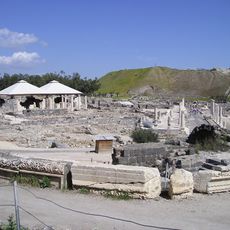
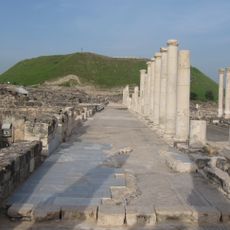
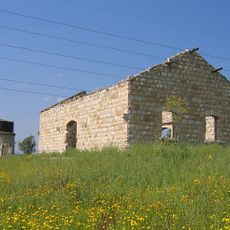
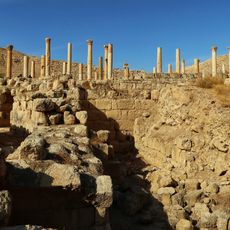
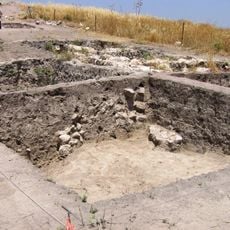
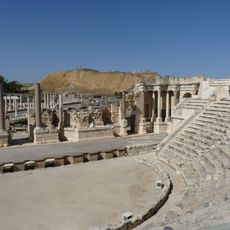
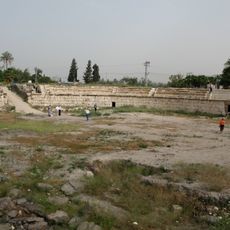
Rehov is an archaeological tell in the Jordan Valley with layers of settlements stacked on top of each other from different time periods. The site preserves foundations of buildings, workshops, and other structures buried beneath the surface.
Rehov was a major Canaanite city-state in the Late Bronze Age, mentioned in the Taanach letters and in an inscription of Seti I as not joining a local revolt. It became an Israelite city in the Iron Age II and was destroyed by the Assyrians in 732 BCE, after which the Canaanite city was not rebuilt. A village later existed on the mound until the late Middle Ages.
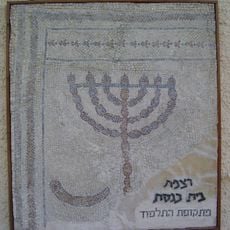
The name Rehov, meaning "broad place", survived in the Islamic tomb of esh-Sheikh er-Rihab and in the Byzantine Jewish town of Rohob. Finds include an ostracon bearing the rare name Elisha and inscriptions mentioning the family of Nimshi, associated with King Jehu.
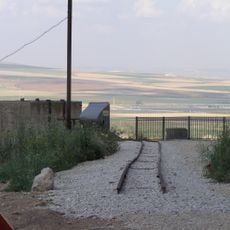
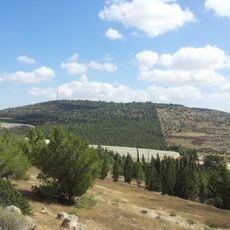
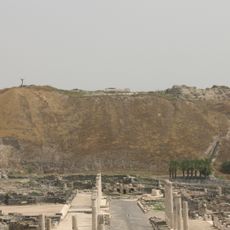
The tell rises between 160 m above and 126 m below sea level, about 5 km south of Beit She'an and 3 km west of the Jordan River, reached from the Bet She'an Valley roads. Excavation areas lie on the upper mound and the lower mound, so expect uneven ground and no marked trail; bring sun protection and water.
About 30 intact hives and traces of 100–200 more were found in rows of 100, each a straw-and-unbaked-clay cylinder roughly 80 cm long and 40 cm across, sealed at one end with a small bee hole. They were destroyed by fire in the mid-10th to early 9th century BCE.
The community of curious travelers
AroundUs brings together thousands of curated places, local tips, and hidden gems, enriched daily by 93,402 contributors worldwide.