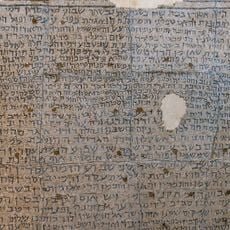
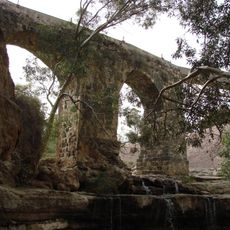
Beit She'an, Archaeological site in Jordan Valley, Israel
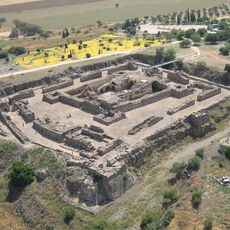
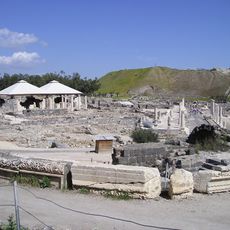
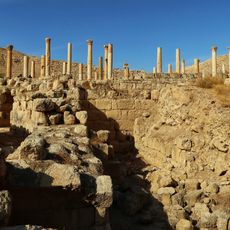
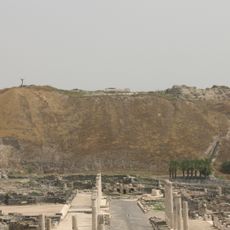
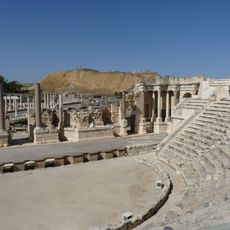
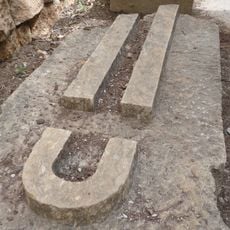
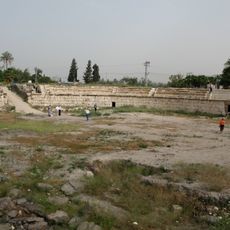
Beit She'an is an extensive ancient city in the Jordan Valley with remains of Roman structures including a theater, public baths, and religious buildings. The excavated ruins spread across the site and reveal different building types from multiple periods.
The site was settled as early as the 4th millennium BCE and later experienced Egyptian, Canaanite, and Roman rule. A major earthquake in the 8th century led to the city's decline.
Flavius Josephus called the city Scythopolis in the 1st century, while Pliny the Elder named it Nysa. It was the only city of the Decapolis west of the Jordan. Visitors can see the reconstructed remains on the tel's summit, including a basalt stele two metres tall raised for Pharaoh Seti I and a large statue of Ramses III.
The archaeological site is easy to explore on foot, with walking paths connecting the main excavation areas. Visitors should bring plenty of water and protection from the sun, as shade is limited.
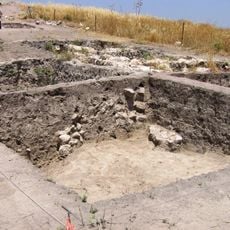
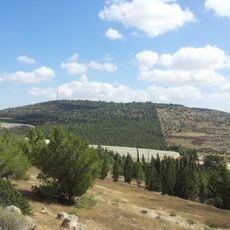
The tel is a natural hill raised further by rebuilding on the ruins of each abandoned settlement, so its layers grew over the centuries. Excavations by a University of Pennsylvania team from 1921 to 1933 uncovered 18 archaeological strata, from the Bronze Age to the Crusader period.
The community of curious travelers
AroundUs brings together thousands of curated places, local tips, and hidden gems, enriched daily by 92,784 contributors worldwide.